Side Entry Robot for Efficient Plastic Manufacturing Automation
Introduction
Automation has become a critical component of modern manufacturing, helping businesses improve productivity, reduce labor costs, and maintain consistent product quality. In the plastic injection molding industry, one of the most effective automation solutions is the side entry robot. Designed for speed and precision, side entry robots streamline the process of part removal, in-mold labeling, and product handling.
These robots are widely used in high-volume manufacturing environments where rapid cycle times and reliable operation are essential. By integrating a side entry robot into an injection molding system, manufacturers can significantly increase efficiency while maintaining high production standards.
What Is a Side Entry Robot?
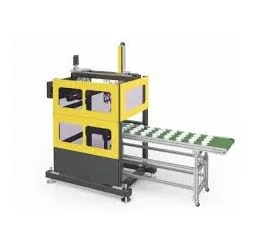
A side entry robot is an automated robotic system that enters the injection molding machine from the side to remove molded products, place labels, or perform secondary handling tasks. Unlike top-entry robots, which operate from above, side entry robots move horizontally, allowing for faster cycle times and improved productivity.
These robots are commonly used in:
- Plastic packaging production
- Food container manufacturing
- In-mold labeling (IML) applications
- Household product manufacturing
- Consumer goods production
- High-speed injection molding operations
Their compact design and rapid movement make them ideal for applications requiring maximum production efficiency.
How a Side Entry Robot Works
The operation of a side entry robot is designed to synchronize perfectly with the injection molding cycle.
Mold Opening
Once the molding process is completed, the mold opens automatically.
Robot Entry
The side entry robot quickly moves into the mold area from the side.
Product Removal
The robot securely grips and removes the finished product or performs a labeling operation.
Product Transfer
The molded part is transferred to a conveyor, stacking unit, or downstream processing station.
Cycle Repeat
The robot exits the molding area, allowing the mold to close and begin the next production cycle.
This rapid sequence minimizes downtime and maximizes production output.
Key Features of Side Entry Robots
High-Speed Operation
Side entry robots are specifically designed for fast injection molding cycles, helping manufacturers achieve higher production rates.
Precision Positioning
Advanced servo systems ensure accurate product handling and placement during every cycle.
Compact Structure
The side-mounted design requires minimal overhead space, making it suitable for facilities with height limitations.
Automated Product Handling
Robots can automatically remove, stack, sort, or transfer products without manual intervention.
Integration with IML Systems
Many side entry robots are compatible with in-mold labeling processes, improving packaging appearance and production efficiency.
Benefits of Using a Side Entry Robot
Increased Production Efficiency
Fast cycle times enable manufacturers to produce more products within shorter periods.
Reduced Labor Costs
Automation minimizes manual handling requirements, reducing labor expenses and workplace risks.
Improved Product Consistency
Robotic precision ensures uniform handling, reducing defects and product damage.
Enhanced Workplace Safety
Removing manual interaction from molding machines helps create a safer production environment.
Lower Operating Costs
Improved efficiency and reduced waste contribute to long-term cost savings.
Applications of Side Entry Robots
Food Packaging Industry
Widely used for producing yogurt cups, ice cream containers, and food packaging products.
In-Mold Labeling Operations
Supports precise label placement inside molds before injection molding begins.
Household Product Manufacturing
Used for containers, storage products, and various plastic household items.
Consumer Goods Production
Automates handling of plastic components used in daily consumer products.
Medical and Industrial Packaging
Suitable for high-precision molding applications requiring consistent handling and quality control.
Types of Side Entry Robots
Servo Side Entry Robots
Offer high precision, smooth operation, and programmable movement for advanced automation applications.
High-Speed Side Entry Robots
Designed for ultra-fast production environments where cycle time reduction is a priority.
IML Side Entry Robots
Specifically developed for in-mold labeling processes and packaging production lines.
Custom Side Entry Automation Systems
Tailored solutions designed to meet unique manufacturing requirements and product specifications.
Factors to Consider When Choosing a Side Entry Robot
Production Speed Requirements
Choose a robot capable of matching the cycle time of your injection molding machine.
Product Size and Weight
Ensure the robot can handle the dimensions and weight of your molded products.
Automation Integration
Verify compatibility with existing production systems and auxiliary equipment.
Maintenance Requirements
Select equipment that offers reliable performance and easy maintenance procedures.
Technical Support
Reliable after-sales service and technical assistance are important for long-term operational success.
Why Side Entry Robots Are Important in Modern Manufacturing
As manufacturers seek higher productivity and lower operating costs, side entry robots have become an essential part of automated injection molding operations. Their ability to perform rapid product removal and handling improves efficiency while reducing production bottlenecks.
In industries where speed and consistency are critical, these robots help businesses remain competitive and meet increasing market demand.
Conclusion
A side entry robot is a powerful automation solution for injection molding manufacturers seeking improved productivity, precision, and cost efficiency. With high-speed operation, accurate product handling, and seamless integration into production lines, these robots play a vital role in modern manufacturing.
Whether used for packaging, in-mold labeling, or consumer product manufacturing, side entry robots provide the reliability and performance needed to optimize production processes and support long-term business growth.