Simple Improvement Projects to Make Your Home Better
Have you noticed how people in Atlanta are paying closer attention to their homes lately, not just as places to live but as spaces that need to work better every day? With rising costs and fewer people moving, improving what you already have makes more sense. In this blog, we will share simple improvement projects that can make your home better without turning it into a full renovation.
Fix What You Use Every Day First
Most people think about big upgrades when they hear the word improvement, but daily-use features often matter more than dramatic changes. Doors, lighting, and storage shape how your home feels every day, even if they do not get much attention at first.
Start with doors, because they affect both function and comfort more than people expect. A door that sticks, lets in drafts, or does not close properly creates small frustrations that build over time. For residents of Atlanta door installation experts often focus on improving fit, insulation, and durability so that everyday use becomes smoother and more reliable. A well-installed door can reduce noise, improve temperature control, and make a space feel more secure without requiring major work.
Lighting is another area that changes a room quickly. Replace harsh overhead lights with a mix of softer sources placed at different heights. This adds depth and makes rooms feel more comfortable. Storage also plays a role here. When items have a clear place, clutter drops, and the space feels more open without adding square footage.
This approach reflects a broader trend. With more people spending time at home, small frustrations stand out more. Fixing these details improves daily life in ways that large, occasional upgrades cannot.
Paint and Surfaces Still Deliver the Biggest Visual Shift
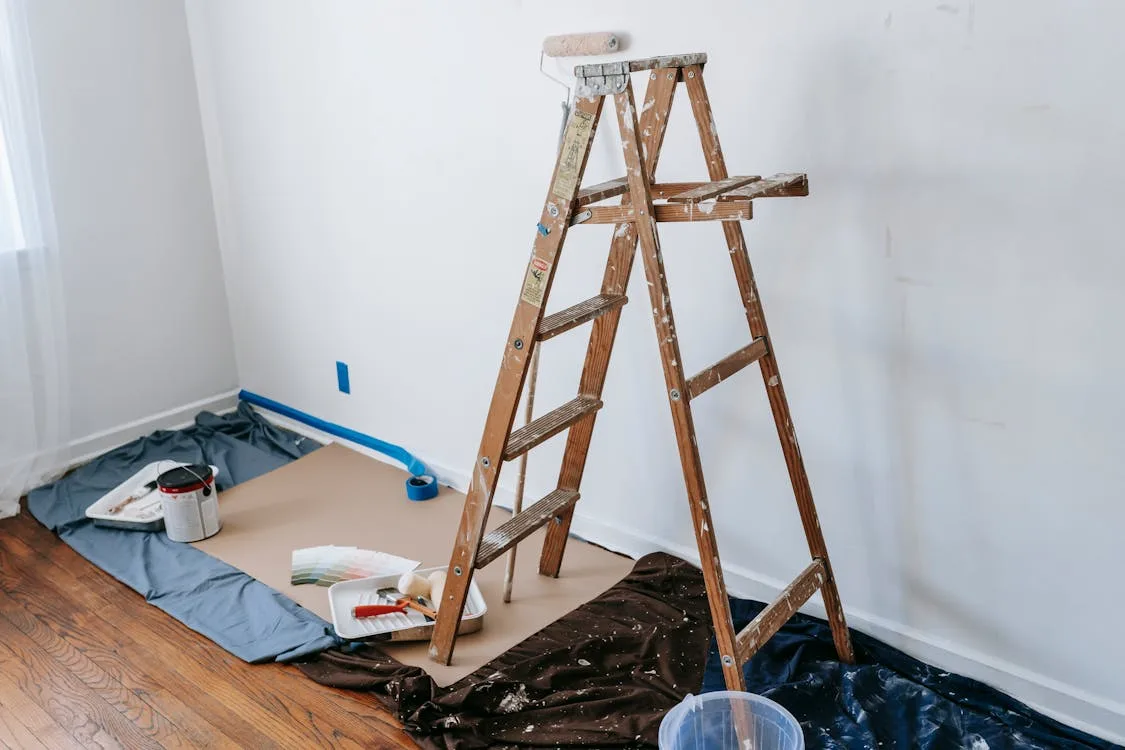
When budgets are tight, people look for changes that offer visible results without heavy cost. Paint remains one of the simplest ways to achieve that. A fresh coat can make a room feel clean, brighter, and more intentional without changing its structure.
Neutral colors tend to reflect light better, which makes rooms appear larger. However, using a darker tone on one wall can add contrast and give the space a defined look. The key is preparation. Cleaning surfaces, patching small holes, and applying paint evenly makes the difference between a quick fix and a lasting improvement.
Surfaces beyond walls also matter. Updating cabinet fronts, refinishing tables, or even replacing worn-out handles can shift the feel of a room. These changes are subtle but effective, especially when combined with better lighting.
There is also a shift in how people approach aesthetics. Instead of chasing trends that change every year, more homeowners are choosing simple, long-lasting designs. This reduces the need for constant updates and keeps spaces functional over time.
Improve Energy Efficiency Without Major Work
Energy costs have become a growing concern, and homes that waste energy are becoming more expensive to maintain. The good news is that improving efficiency does not always require major upgrades.
Start with sealing gaps around windows and doors. Even small openings can let in drafts that force heating or cooling systems to work harder. Adding weather stripping or sealing edges can make a noticeable difference in comfort and cost.
Replacing old light bulbs with energy-efficient options also helps. While the change seems small, it adds up over time, especially in homes where lights stay on for long periods. Smart thermostats are another practical upgrade. They allow better control over temperature and can reduce unnecessary energy use.
These changes reflect a larger shift toward sustainability. People are becoming more aware of how their homes affect both their budgets and the environment. Small steps taken consistently can reduce waste without requiring major investment.
Bring in Natural Elements to Improve Feel
Homes that feel disconnected from natural elements can seem flat and uninviting. Adding simple natural features can change that without requiring major work. Plants are one option, but they are not the only one.
Materials like wood, stone, and woven textures can add warmth to a space. Even small items, such as a wooden shelf or a stone centerpiece, can shift the tone of a room. Natural light also plays a key role. Keeping windows clear and using light curtains helps bring in more brightness.
This reflects a broader trend toward creating spaces that feel calm and grounded. As daily life becomes more fast-paced, people are looking for ways to make their homes feel like a place to reset.
Keep Maintenance Part of the Process
Improvement projects often focus on visible changes, but maintenance plays an equally important role. A home that is not maintained will lose the benefits of any upgrade over time. Small issues, such as leaks or worn materials, can grow into larger problems if ignored.
Regular checks help catch these issues early. Look for signs of wear, listen for unusual sounds, and address small problems before they expand. This approach reduces long-term costs and keeps your home functioning as intended.
There is a practical shift happening here as well. With repair costs rising, more homeowners are focusing on prevention instead of waiting for something to break. It may not feel exciting, but it keeps homes stable and reduces unexpected expenses.
Small Changes Build a Better Living Space Over Time
The idea of improving your home often feels tied to large projects, but most meaningful changes come from smaller, consistent efforts. Adjusting layout, updating fixtures, improving lighting, and maintaining key areas all contribute to a better living space.
People often wait for the right time to start a major project, but that time rarely arrives. Costs increase, schedules shift, and plans get delayed. Meanwhile, small improvements can happen at any moment and deliver real results.
This approach fits the current reality. With economic pressure and changing lifestyles, homeowners are looking for ways to improve their spaces without taking on large commitments. By focusing on practical changes, you create a home that works better every day, without turning the process into something overwhelming.