Simple Ways to Manage Chronic Pain When Nothing Else Works
Chronic pain does not just hurt your body. It wears down your mind too. If you deal with it every day, you already know this. You wake up tired. You plan your day around your pain. You skip things you used to enjoy. And after a while, it starts to feel normal, even though it should not.
The good news is that you are not stuck. There are real steps you can take to feel better. Some are small habits. Others involve trying new products, like an extra strong cream, that can give you relief when you need it most. Let’s walk through what works, and why.
Why Chronic Pain Is So Hard to Manage
Pain that lasts for weeks or months is different from a quick injury. It changes how your nerves send signals. Over time, your body can become more sensitive, not less. This is why an old back injury can still ache years later, even after it has healed.
Because of this, chronic pain often needs more than one type of treatment. A single pill or cream will not fix everything. However, combining a few good habits can make a real difference.
Start With the Basics
Before trying anything fancy, it helps to look at the simple things first. These steps will not cure chronic pain. Still, they can lower how much it affects your day.
- Move a little every day, even if it is just a short walk
- Stretch gently in the morning and before bed
- Drink enough water, since dehydration can make muscles tighter
- Try to sleep on a regular schedule
- Cut back on sugar and processed food, since they can raise inflammation
None of these steps require much effort. But together, they build a foundation. As a result, other treatments tend to work better too.
Pay Attention to Stress
Stress and pain are closely linked. When you are stressed, your muscles tense up. This can make existing pain feel worse. On top of that, stress can lower your tolerance for discomfort, so pain feels bigger than it actually is.
Because of this connection, managing stress is not just about your mood. It is also about your body. Simple things like deep breathing, short breaks during work, or even talking to a friend can lower tension. Therefore, stress relief should be part of any pain plan, not an extra step you skip.
Topical Relief Can Make a Real Difference
For many people, creams and balms are one of the easiest ways to manage pain. Unlike pills, they work right where you need them. You rub them on, and they start working on the spot. This makes them useful for joint pain, muscle soreness, and stiff areas that flare up after a long day.
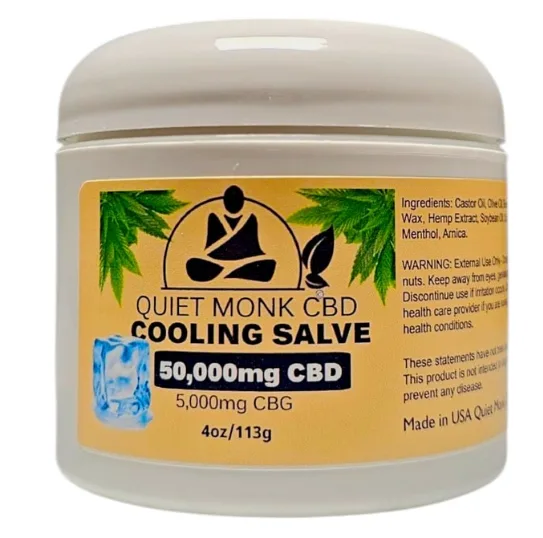
When picking a cream, potency matters. A weak product might feel nice for a moment, but it will not touch deep or intense pain. This is where an extra strong cream can help. A higher strength formula is built for people whose pain does not respond to milder options. It is meant for days when regular products just are not enough.
Also, look for something that will not leave your skin greasy or sticky. Nobody wants to change their shirt after applying pain relief. A good cream should absorb fast and let you get on with your day.
Build a Routine, Not a One-Time Fix
One mistake people make is trying something once and giving up if it does not work right away. Pain relief, whether from stretching, diet changes, or topical products, usually works best with consistency. Your body needs time to respond.
So, instead of using a cream only when pain gets bad, try applying it regularly, even on lighter days. This can help prevent flare-ups before they start. In the same way, daily movement and stress management work better as habits, not quick fixes.
When to See a Doctor
Self-care goes a long way, but it does not replace medical advice. If your pain suddenly gets worse, spreads to a new area, or comes with swelling, numbness, or fever, talk to a doctor. These could be signs of something that needs more attention than a cream or stretch can give.
Also, if pain is stopping you from sleeping, working, or doing basic tasks, do not wait it out. A doctor can check for the real cause and rule out anything serious. From there, you can build a plan that combines medical care with the daily habits mentioned above.
Putting It All Together
Chronic pain can feel like it controls your life. However, with the right mix of habits and tools, you can take some of that control back. Start small. Move your body. Watch your stress levels. And when you need extra support for tough days, an extra strong cream can be part of your toolkit, alongside better sleep, gentle exercise, and a doctor’s guidance when needed.
Healing is rarely instant. Still, every small step adds up. Over time, these changes can turn pain from something that runs your day into something you manage on your own terms.