Singapore Shoulder Physio: Personalized Therapy to Restore Strength and Mobility
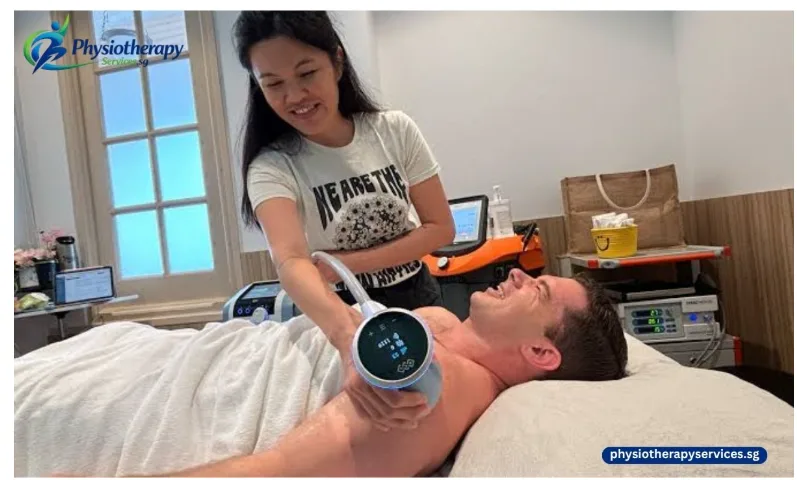
Shoulder pain can make even simple tasks feel impossible. Lifting your arm, reaching a shelf, or sleeping comfortably becomes a daily struggle. If your shoulder has been hurting for a while, it is time to get the right help. Singapore shoulder physio offers personalised therapy designed to treat the root cause of your pain and bring back full movement.
Not every shoulder problem is the same, and not every treatment should be either. A professional Singapore physio will assess your specific condition and create a treatment plan built around your body and your goals. With the right care, your shoulder can regain its full strength and mobility. You do not have to keep living with the pain when expert help is available.
Common Shoulder Conditions Treated by Physiotherapists
The shoulder is one of the most complex and frequently used joints in the body. Because it moves in so many directions, it is also one of the most vulnerable to injury and wear. Physiotherapists in Singapore treat a wide range of shoulder conditions every day. These include rotator cuff tears, frozen shoulder, shoulder impingement, bursitis, tendinitis, labral tears, and shoulder dislocations. Each condition affects the joint differently and requires its own targeted approach.
Many people also develop shoulder pain from poor posture, repetitive movements at work, or years of overuse. Conditions like bicep tendinopathy and acromioclavicular joint problems are common among office workers and manual labourers alike. Regardless of the cause, a skilled shoulder physiotherapist will identify the exact problem and treat it at its source. Getting the right diagnosis early makes recovery faster and more complete.
Signs You Should Visit a Shoulder Physiotherapist
Many people ignore shoulder pain for far too long, hoping it will go away on its own. Sometimes it does. But often, the underlying problem gets worse without proper treatment. You should see a shoulder physiotherapist if you have pain that lasts more than a few days, difficulty lifting your arm above your head, or pain that disturbs your sleep at night. These are all signs that something needs professional attention.
Other warning signs include weakness in the shoulder or arm, clicking or grinding sensations during movement, and stiffness that limits your daily activities. If you have recently had a fall, sports collision, or accident involving the shoulder, getting assessed quickly is especially important. Early treatment prevents small problems from becoming serious long-term injuries. Do not wait until the pain becomes unbearable — the sooner you act, the faster you will recover.
How a Comprehensive Shoulder Assessment Is Performed
A proper shoulder assessment is the foundation of effective treatment. On your first visit, the physiotherapist will ask about your symptoms, how long you have had them, and what makes them better or worse. They will also ask about your daily activities, work demands, and any relevant medical history. This information helps paint a complete picture of what is happening in your shoulder and why.
The physical assessment involves testing your range of motion, muscle strength, joint stability, and nerve function. The physiotherapist will use specific clinical tests to identify which structures in the shoulder are affected. They may assess your posture and the way your shoulder blade moves, as both play a major role in shoulder health. In some cases, they will recommend imaging such as an ultrasound or MRI to get a clearer look at the internal structures. All of this information is used to build the most accurate and effective treatment plan possible.
Personalized Shoulder Rehabilitation Plans for Faster Recovery
Every shoulder injury is different. A rehabilitation plan that works for one person may not be right for another. That is why personalised treatment plans are so important. A good Singapore shoulder physio will design a programme specifically around your diagnosis, your fitness level, your lifestyle, and your recovery goals. This targeted approach leads to faster and more complete healing.
A personalized plan typically moves through three key phases. The first phase focuses on reducing pain and inflammation. The second phase rebuilds strength, flexibility, and movement control. The third phase restores full function and prepares the shoulder for return to sport or work. Each phase is advanced only when the previous one is achieved, ensuring the shoulder is never pushed faster than it can handle. This structured and thoughtful process is what separates proper physiotherapy from generic exercise programmes.
Physiotherapy Techniques Used to Treat Shoulder Pain
Singapore shoulder physiotherapists use a wide variety of treatment techniques to address pain and restore function. Manual therapy is one of the most commonly used methods. It includes joint mobilisation, soft tissue massage, and myofascial release. These hands-on techniques reduce pain, improve blood flow, release tight muscles, and restore normal joint movement. Patients often notice significant relief even after the first session of manual therapy.
Other effective techniques include dry needling for deep muscle trigger points, shockwave therapy for stubborn tendon conditions, and ultrasound therapy to promote tissue healing. Kinesiology taping is often used to support the shoulder joint while allowing movement during daily activities. Postural correction and scapular stabilisation exercises are also key parts of treatment, as poor shoulder blade control is a common contributor to shoulder pain. The right combination of techniques is chosen based on your specific condition and how your body responds to treatment.
Shoulder Physiotherapy for Sports Injuries and Active Individuals
The shoulder takes a significant amount of stress during sports and physical activity. Swimming, tennis, baseball, volleyball, CrossFit, and contact sports all place heavy demands on the shoulder joint. When injuries occur, they need specialist rehabilitation to heal properly and allow a safe return to sport. A Singapore shoulder physio with sports experience understands the demands of your specific sport and designs treatment accordingly.
Sports-related shoulder injuries often involve the rotator cuff, labrum, or acromioclavicular joint. Physiotherapy for these injuries is not just about healing the damaged tissue — it is also about retraining movement patterns, building functional strength, and improving joint stability under load. Sport-specific exercises are introduced gradually as the shoulder heals. The goal is always to return the athlete to full performance, not just pain-free movement. With the right rehabilitation, most athletes can return to their sport stronger and more resilient than before their injury.
Recovering from Rotator Cuff Injuries with Physiotherapy
The rotator cuff is a group of four muscles that surround and stabilise the shoulder joint. It controls nearly every movement the shoulder makes. Rotator cuff injuries range from mild inflammation and partial tears to complete ruptures. These injuries are painful and can severely limit shoulder function. However, many rotator cuff injuries can be treated successfully with physiotherapy alone, without the need for surgery.
Physiotherapy for rotator cuff injuries focuses on reducing pain in the early stages, followed by a progressive strengthening programme targeting the specific muscles that are affected. Scapular control, shoulder blade positioning, and posture are also addressed because they directly influence how the rotator cuff functions. Recovery from a rotator cuff injury takes time and patience. Mild cases may resolve in six to eight weeks, while more serious tears can take several months. Following your physiotherapist’s guidance closely and consistently is the single most important factor in achieving a full recovery.
Frozen Shoulder Treatment: Restoring Mobility and Reducing Stiffness
Frozen shoulder, also known as adhesive capsulitis, is a condition where the shoulder joint becomes progressively stiff and painful. It often develops slowly and can last for months or even years if left untreated. The condition goes through three stages — freezing, frozen, and thawing. Each stage has different symptoms and requires a slightly different physiotherapy approach.
During the freezing stage, the main focus is on managing pain and maintaining as much movement as possible. In the frozen stage, gentle joint mobilisation and stretching are used to prevent further stiffness. During the thawing stage, more intensive rehabilitation is introduced to restore full range of motion and rebuild shoulder strength. Heat therapy, manual therapy, and a consistent home exercise programme all play important roles in recovery. With regular physiotherapy, most patients with frozen shoulders see significant improvements in both pain levels and shoulder mobility over time.
Post-Surgical Shoulder Rehabilitation and Recovery
Surgery is sometimes necessary for serious shoulder conditions such as complete rotator cuff tears, shoulder dislocations with structural damage, or severe labral injuries. However, surgery is only the first part of the recovery process. Post-surgical physiotherapy is just as important as the operation itself. Without proper rehabilitation, the shoulder may heal with limited movement, poor strength, and ongoing discomfort.
Post-surgical rehabilitation follows a strict timeline based on the type of surgery performed and the surgeon’s protocol. The early stages focus on protecting the healing tissue, controlling swelling, and maintaining gentle movement. As healing progresses, the physiotherapist gradually introduces strengthening exercises and functional movements. Full recovery from shoulder surgery can take anywhere from three to twelve months depending on the procedure. A committed and consistent approach to post-surgical physiotherapy gives you the best possible chance of regaining full shoulder function and returning to the activities you love.
Exercises That Improve Shoulder Strength, Stability, and Flexibility
Exercise is the cornerstone of shoulder rehabilitation. A good shoulder physiotherapist will prescribe exercises that are specifically chosen for your condition and tailored to your current strength and fitness level. These exercises are not random — each one serves a clear purpose in rebuilding the shoulder from the inside out.
Some of the most effective shoulder exercises used in physiotherapy include pendulum swings for early mobility, wall slides for shoulder blade control, external and internal rotation exercises for rotator cuff strengthening, and resistance band exercises for overall shoulder stability. Stretching exercises targeting the posterior capsule and chest muscles are also commonly prescribed, especially for people with rounded shoulders or poor posture. Your physiotherapist will guide you through these exercises with proper technique and progress them at the right pace. Doing your home exercises consistently between clinic sessions is what truly drives recovery forward.
How to Prevent Future Shoulder Injuries and Maintain Joint Health
Once your shoulder has healed, keeping it healthy long-term requires ongoing attention. Many shoulder injuries are preventable with the right habits and a little awareness. Maintaining good posture is one of the most important things you can do for your shoulder health. Rounded shoulders and a forward head position place constant strain on the shoulder joint and surrounding muscles.
Warming up properly before physical activity, strengthening the rotator cuff and scapular muscles regularly, and avoiding sudden increases in training load all significantly reduce the risk of future shoulder injuries. Ergonomic adjustments at your workstation can also make a big difference, particularly if you spend long hours at a desk or computer. Your physiotherapist can advise on specific prevention strategies based on your lifestyle, sport, or work environment. Investing in shoulder health now will protect you from painful setbacks in the future.
Choosing the Right Shoulder Physiotherapist in Singapore
Finding a physiotherapist who specialises in shoulder conditions makes a real difference in the quality of your care and the speed of your recovery. Start by confirming that the physiotherapist is registered with the Allied Health Professions Council (AHPC). This ensures they are fully qualified and meet Singapore’s professional standards. From there, look for someone with specific experience treating shoulder injuries and conditions similar to yours.
A good shoulder physiotherapist will listen carefully, explain your diagnosis clearly, and involve you in your own recovery decisions. They will be honest about how long recovery will take and realistic about what physiotherapy can achieve for your specific condition. Ask about their approach to treatment, what techniques they use, and whether they prescribe home exercises. Read patient reviews and ask for recommendations from your GP or specialist. The right physiotherapist is someone who genuinely cares about your recovery, not just about filling appointment slots.
What to Expect During Your Shoulder Physiotherapy Journey
Starting physiotherapy for a shoulder problem can feel unfamiliar, especially if it is your first time. Knowing what to expect helps you stay committed and get the most out of every session. Your first appointment will be an assessment where the physiotherapist gathers information about your condition and performs a physical examination. They will then explain what they have found and outline your treatment plan clearly.
In the sessions that follow, treatment will typically include a combination of hands-on therapy and guided exercises. You will be given home exercises to do between sessions, which are just as important as the clinic-based treatment. Progress will be monitored regularly, and the treatment plan will be adjusted as your shoulder responds and improves. Recovery is rarely a perfectly straight line — there may be days where the shoulder feels better and days where it feels more sore. This is completely normal. Stay consistent, communicate openly with your physiotherapist, and trust the process. Most shoulder conditions respond very well to professional physiotherapy, and the results are well worth the effort.
Frequently Asked Questions
What causes shoulder pain in most people?
Shoulder pain is usually caused by muscle strain, rotator cuff injuries, frozen shoulder, or poor posture. Overuse, sports activities, and accidents are also very common causes.
How do I know if my shoulder pain needs physiotherapy?
If your shoulder pain lasts more than a few days, limits your movement, or disturbs your sleep, you should see a physiotherapist. Early treatment always leads to better and faster recovery.
How long does shoulder physiotherapy take in Singapore?
It depends on the condition. Minor shoulder injuries may heal in 4 to 8 weeks, while more serious conditions like rotator cuff tears or frozen shoulders can take several months.
Can physiotherapy treat frozen shoulders completely?
Yes, physiotherapy is one of the most effective treatments for frozen shoulders. With regular sessions and consistent home exercises, most patients regain full shoulder movement over time.
Do I need surgery before starting shoulder physiotherapy?
Not always. Many shoulder conditions including rotator cuff injuries and frozen shoulder can be treated successfully with physiotherapy alone without any surgery.
Is shoulder physiotherapy painful?
Most treatments are comfortable and controlled. You may feel mild soreness after some sessions, but your physiotherapist will always work carefully within your pain tolerance.
Can I do shoulder exercises at home between sessions?
Yes, absolutely. Home exercises prescribed by your physiotherapist are a very important part of recovery. Doing them consistently between clinic sessions speeds up your healing significantly.
Conclusion
Shoulder pain does not have to slow you down or stop you from living your life. With personalised Singapore shoulder physio, you can heal properly, regain full strength, and move freely again. The right treatment plan makes all the difference in how fast and how well you recover.
Do not ignore shoulder pain or hope it will disappear on its own. Seek professional physiotherapy early and give your shoulder the care it truly deserves. With expert guidance and the right exercises, a strong and pain-free shoulder is absolutely within your reach.