Single car garage vs carport: which is better for U.S. homeowners?
For many U.S. homeowners, the choice between a single-car garage and a carport is really a choice between long‑term convenience and short‑term savings. The best option depends on your climate, your budget, how much storage you need, and how important resale value is for your property.
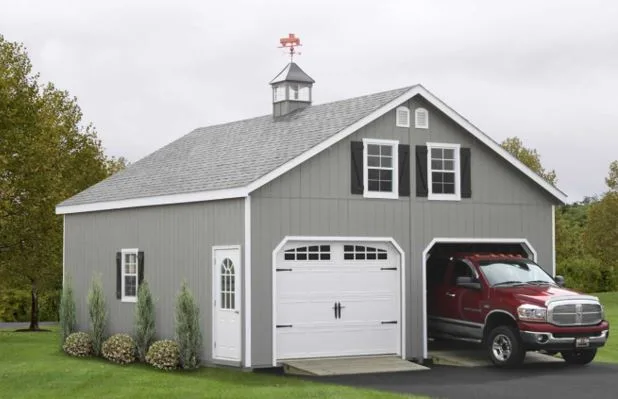
When someone buys a first home, the question of where the car will “live” shows up sooner than expected. A lot of people quickly realize that a single car garage with loft is not only a shelter for the vehicle but also a flexible space for tools, seasonal items, and small projects. Others look at the numbers and understand they simply need shade from the sun and basic protection from rain or snow, which a simple carport can provide at a fraction of the cost. The right answer is rarely universal, so it helps to walk through the real‑world pros and cons for each option before you pour concrete or sign a contract.
Key differences in simple terms
A single‑car garage is an enclosed structure with four walls, a roof, a door or overhead door, and usually power for lighting or outlets. It can be attached to the house or stand on its own, but in both cases it offers full coverage from the elements and keeps your vehicle out of sight.
A carport, by contrast, is typically a roof supported by posts, with some or all sides open. It keeps direct sun, rain, and most snow off the car but does not fully block wind, drifting snow, or airborne debris. Visually, a garage feels like an extension of the home, while a carport reads more like a light outdoor structure.
Cost, permits, and build time
In most parts of the U.S., a properly built single‑car garage is a serious investment. You pay for foundation work, framing, roofing, doors, finishes, and often electrical service, and costs can easily climb into the tens of thousands of dollars depending on materials and local labor rates. That higher price tag is one of the main reasons some owners look for alternatives.
A carport is usually much more budget‑friendly. Many homeowners choose a prefabricated metal or wood kit, which can cut costs and installation time significantly. Permitting is also often simpler: a full garage almost always needs a building permit and inspections, while a basic carport in many jurisdictions falls under a lighter permitting process or a different category of accessory structure. Exact rules vary by city and county, so checking local codes before you decide is essential.
Weather protection and security
Climate should be one of the first factors in your decision. In snow‑heavy regions or where winter road salt is common, a garage offers clear advantages: less snow to brush off, fewer frozen doors, and better protection from salt spray that accelerates rust. Your car also warms up a bit faster inside a closed space, which is more comfortable and reduces cold starts.
In milder or sunnier climates, a carport can be enough. It keeps UV rays off the paint and interior, reduces sun‑baked steering wheels and seats, and blocks most rain and light snow. However, when it comes to security, a garage is clearly stronger: you can lock it, install motion lights inside, and even set up cameras or a small alarm system. A carport leaves the vehicle visible and accessible, so it is usually not the best answer in neighborhoods where theft or vandalism is a concern.
Storage potential and daily usability
One of the biggest advantages of a garage is usable storage. Even a compact single‑car layout can hold shelving for tools, sports gear, lawn equipment, and seasonal décor, especially if you take advantage of wall‑mounted racks and ceiling‑hung storage. With a loft design, the space becomes even more flexible, separating rarely used items from day‑to‑day essentials at ground level.
A carport, on the other hand, is not ideal for long‑term storage. Anything you leave under it stays exposed to temperature swings, dust, and sometimes wind‑driven rain. Permanent shelving is less practical, and most homeowners end up relying on a separate shed, basement, or attic for anything valuable. If your house is already tight on storage, this difference is often what pushes people toward building at least a modest garage instead of a simple roof on posts.
Resale value and insurance considerations
From a resale perspective, buyers in many U.S. markets see a garage as a major plus. Real estate listings often highlight the presence of an attached or detached garage as a key feature, and in colder climates, lack of a garage can be a real drawback in the eyes of potential buyers. A single‑car garage may not add as much value as a large two‑car one, but it still improves overall appeal and functionality.
Insurance is a quieter but important factor. Attached garages are usually treated as part of the main dwelling structure, while detached garages and carports are often classified as “other structures” and may have different coverage limits. Carports sometimes need explicit mention in a policy to be fully covered for storms or collapse. Before you commit to either structure, it is smart to talk with your insurance agent about how each option will be insured and what it might do to your premium.
Quick comparison of main factors
To make the decision more concrete, it helps to look at the core aspects side by side.
| Aspect | Single-car garage | Single carport |
| Initial cost | Higher: requires foundation, walls, door, and often electrical work | Lower: usually a simpler structure or prefabricated kit |
| Weather protection | Full protection from sun, rain, snow, and wind | Overhead protection only: sides remain more exposed |
| Security | Lockable, out of sight, supports alarms and cameras | Vehicle is visible and easy to access |
| Storage | Good for tools, gear, and seasonal items, especially with loft or vertical systems | Limited: not ideal for valuable or sensitive items |
| Resale impact | Typically improves marketability and perceived value | Helpful but usually less impactful than a full garage |
| Build time | Longer due to permits and inspections | Often faster to install and easier to approve |
When a carport makes more sense
There are plenty of situations where a carport is the more rational choice. If your budget is tight but you want to get your vehicle out of the direct sun and rain, a carport can deliver real comfort benefits without the heavy financial commitment of a full garage. This is also true if you are not sure how long you will stay in the home and do not want to overbuild for a property you might sell in a few years.
Lot size and layout matter too. On a small or awkwardly shaped lot, a full garage may crowd the yard, block windows, or violate setback rules. A lighter structure can often fit into spaces where a boxy garage would dominate the site or simply be impractical. In warm regions where snow and ice are rare, the daily advantage of a garage over a carport is smaller, which makes the more affordable option even easier to justify.
Value of working with specialists
Because this choice affects both daily life and property value, many homeowners turn to specialized outdoor builders instead of trying to improvise on their own. A dedicated outdoor storage solutions company like Storage Sheds And Garages can help match the structure type to your local climate, your city’s code requirements, and your long‑term plans, instead of pushing the same layout on every customer. This kind of guidance is especially useful if you are torn between a basic shelter and a more flexible building that might someday become a workshop or hobby space.
Specialists also tend to think through details that homeowners overlook, such as drainage, snow load, roof pitch, and how a new structure will affect driveway use and turning radius. Getting these elements right saves money and frustration in the long run, whether you choose a simple open shelter or a fully enclosed building.
A hybrid idea: attached, open carports
If you feel like you are somewhere in between, a hybrid approach can work well. An open-sided carport structure attached to a house combines elements of both worlds: it keeps the car close to the entry door, protects it from above, and can visually tie into the existing roofline. In some cases, this type of structure is easier to insure and permit than a full addition, while still making daily life much more comfortable. Many homeowners like it as a flexible starting point that could later be upgraded with partial walls, storage along one side, or other improvements if needs and budgets change.