Sliding vs Hinged Shower Doors: Which Is Better?
Shower doors do a lot more than keep water in the shower. They shape how your bathroom looks, how it feels to use every day, and even how easy it is to clean the space. When you compare sliding shower screen and hinged doors, you’re really comparing two very different ways to move around your bathroom and manage the space you have. This guide walks through how each type of shower door affects space, layout, cleaning, cost, and comfort. By the end, you should know which option fits your bathroom size, your style, and your routine.
What Is the Real Difference Between Sliding Shower Screens and Hinged Doors?
How each door opens and uses space
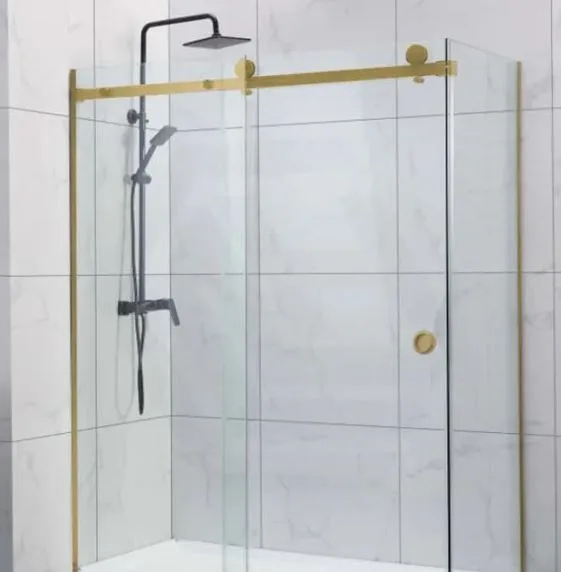
Sliding shower screens move along a straight path, usually on a metal or composite track fixed to the base and sometimes the top of the enclosure. When you open the door, one glass panel slides behind another, so the total footprint of the shower does not change. The glass always stays inside the shower’s width, which means the rest of the bathroom floor stays clear. The upside is that a hinged door usually gives a wider, more open entry. It can use nearly the full width of the shower opening. This can feel more generous and makes it easier to step in without turning sideways.
How each option affects access, style, and layout
Sliding shower screens influence layout by letting you place fixtures closer to the shower front. Because nothing swings out, you can often position a toilet, vanity, or towel rail near the opening without worrying about door clearance. This is especially helpful in narrow rooms. However, the reduced entry width can be less comfortable for large users or anyone who needs to step in with help or mobility devices. From a layout perspective, hinged doors demand careful planning. You must allow swing space and consider how close you can place a vanity or storage unit. They usually suit medium to large bathrooms best, or at least layouts where one side of the shower front can stay clear.
Are Sliding Shower Screens Better for Small Bathrooms?
Why sliding screens work well in tight spaces
Sliding shower screens shine in tight bathrooms because they don’t ask the room for extra floor space. The door glides behind a fixed panel, so you never have to step back to let a door open. This can make a surprising difference in very small rooms where every centimetre counts. In a layout where the toilet sits close to the shower, a hinged door might bump the cistern or force you to stand in an awkward spot. A sliding screen avoids that clash. You can even install a vanity fairly close to the front of the shower, as long as the opening remains comfortable for you to step through.
Sliding panels also work well on bath-shower combos. A sliding bath screen runs along the edge of the tub and keeps water inside without swinging into the space where you stand to dry off. In narrow rooms, this design can stop the door from blocking access to storage or a towel rail.
When a hinged door may still work in a compact layout
A hinged door can still be a smart choice in a compact bathroom if you control the swing and size. One option is a pivot hinge that lets the door swing partly into the shower and partly out. This reduces how far the door reaches into the room and can help it clear nearby fixtures. If your small bathroom has one clear stretch of floor, you can position the shower so the door swings toward that open area. Mark the swing arc with tape on the floor to confirm it will not clash with the toilet, vanity, or a radiator. In some cases, a 700–750 mm hinged door with full-width access feels better than a wider slider with a narrower entry.
Which Option Is Better for Cleaning, Cost, and Daily Use?
Cleaning tracks, glass, and hardware over time
Sliding shower screens require regular attention to the bottom track or guide. Water, soap, and hair collect in this channel, which can lead to mould, mildew, or sluggish movement. Many modern sliders use shallower, easier-to-wipe tracks, but you still need to run a cloth or small brush along them often. The rollers or glides at the top also need occasional cleaning and, sometimes, light lubrication, depending on the system. The overlapping glass panels on a slider create edges where water can sit. You may find mineral buildup at the point where the doors overlap most. Frequent squeegeeing after showers helps prevent this and keeps the glass clearer longer.
Budget, durability, and ease of use in real homes
Budget-wise, standard framed sliding doors often sit at the more economical end of the scale, especially for common alcove sizes. They use lighter glass and more framing, which can lower material costs. Semi-frameless and frameless sliders need stronger hardware and thicker glass, which raises the price. Hinged doors follow a similar pattern: framed models are budget-friendly, while frameless hinged systems land in mid to high price ranges. Durability depends on build quality, not just style. On sliders, the rollers, guides, and tracks are the main wear points. Cheap hardware can become noisy or stiff over time. Quality rollers with metal bearings last longer and slide more smoothly. Hinged doors rely on sturdy hinges that can support the glass weight without sagging. Good hinges stay aligned and keep the door closing properly for years.
Conclusion
Sliding shower screens and hinged doors both bring clear strengths, and neither option wins in every bathroom. The right choice depends on your room size, layout, and how you actually use your shower every day. Sliding screens excel in small or busy bathrooms where floor space is tight and fixtures sit close together. Their doors stay within the shower footprint, so you avoid clashes with toilets, vanities, and storage units. They also work well along baths and in long, narrow rooms. Hinged doors, by contrast, shine when you want a wide, open entry and a simple, minimal look. They often suit medium and larger bathrooms or compact rooms with at least one clear area for the door swing. For families, older adults, or anyone who values easy access, that full-width opening can feel safer and more comfortable.