Slip and Fall Lawyer in Vancouver: Understanding Your Legal Options
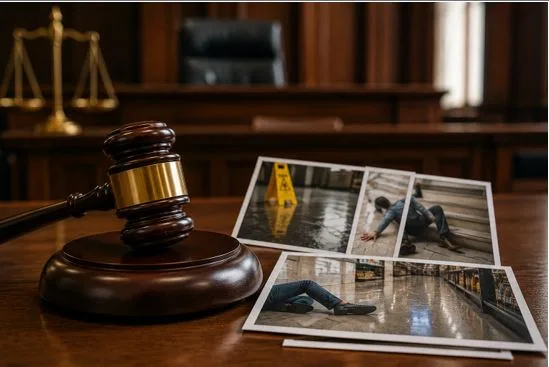
Painful injuries, unforeseen medical costs, missed work, and other difficulties can arise from a slip and fall accident. When hazardous conditions are not adequately addressed, these incidents may occur in shops, apartment complexes, offices, sidewalks, parking lots, or other properties. Depending on the specifics of the incident, individuals hurt on someone else’s property in Vancouver may have legal options. According to British Columbia’s Occupiers Liability Act, occupiers must generally take reasonable precautions to ensure that people and their belongings are reasonably safe while on the property. A Slip and Fall Lawyer in Vancouver can assist with the accident investigation, ascertain whether another party might be at fault, collect evidence, interact with security companies, and seek just compensation for losses that qualify. These are the following examples about this topic.
Understanding Slip and Fall Liability
Examining the circumstances that led to the mishap is necessary in order to assign blame following a slip and fall. An occupier is generally required by British Columbia’s Occupiers Liability Act to take reasonable precautions to guarantee that people are reasonably safe while using the property. This obligation may relate to the state of the property, the activities taking place there, or the actions of third parties. Wet floors, insufficient lighting, uneven surfaces, broken stairs, snow, ice, or badly maintained walkways are examples of potential dangers. To ascertain whether appropriate safety precautions were taken, a Vancouver slip and fall attorney can examine the situation. Because liability may depend on what transpired, who was in control of the property, and whether or not appropriate precautions were reasonably expected, the specific facts are important.
Common Injuries After a Fall
Accidents involving slips and falls can result in injuries ranging from minor bruises to serious conditions requiring long-term care. Documenting the consequences of an accident can be facilitated by keeping track of medical visits, costs, prescriptions, and recommendations. When evaluating a possible claim, a lawyer may examine these documents. The extent and length of an injury can affect the associated losses, such as medical expenses, lost wages, and other accident-related repercussions. These are the following common injuries after a fall.
- Broken bones and fractures
- Sprains and strains
- Torn ligaments or tendons
- Head and brain injuries, including concussions
- Neck and back injuries
- Spinal cord injuries
- Shoulder and dislocated joint injuries
- Knee and ankle injuries
- Bruises and soft-tissue injuries
Gathering Evidence to Support Your Claim
When figuring out what caused a slip and fall and whether someone else might be at fault, evidence can be crucial. An injured person should think about taking pictures of the danger, the surrounding area, their shoes, and any visible injuries if it is safe to do so. Contact details for witnesses can also be useful. Additional details regarding the circumstances at the time of the accident may be found in incident reports, surveillance footage, maintenance records, inspection schedules, and correspondence with property managers. A Vancouver slip and fall attorney can assist in locating pertinent evidence and deciding which data should be kept. Because hazardous conditions may be cleaned, repaired, removed, or otherwise altered soon after an accident, making subsequent investigation more challenging, prompt documentation can be especially helpful.
Compensation for Slip and Fall Injuries
An injured person may pursue compensation for losses brought on by a slip and fall, depending on the situation and the relevant legislation. Potential damages may include lost wages, medical and rehabilitation costs, and other injury-related losses. The evidence, the extent of the injuries, and the claim’s legal circumstances all influence the right amount of compensation. An attorney can examine the documentation that is available and assist in identifying any losses that might be pertinent. It’s also crucial to realize that the statute of limitations in British Columbia may have an impact on how long someone has to start a legal action. Subject to exceptions and other regulations, the basic statute of limitations under the Limitation Act is typically two years from the date a claim is discovered.
Consequences from a slip and fall can last long after the incident. Injuries may necessitate continuing care, interfere with work, and put unanticipated financial strain on a person. The Occupiers Liability Act of British Columbia and other relevant laws may be involved in property-related injury claims in Vancouver. A slip and fall attorney can assist in assessing the situation, obtaining proof, corresponding with security companies, and figuring out whether it might be wise to pursue compensation. Important details can be preserved by preserving photos, witness statements, medical records, expense receipts, and accident reports. Injured people should think about getting competent legal counsel as soon as possible, rather than waiting until crucial deadlines or difficult-to-obtain evidence, since statutes of limitations may apply to legal claims. To know more details of this topic, see this site Warnett Hallen LLP.
Frequently Asked Questions (FAQs):
Who can be responsible for a slip and fall in Vancouver?
Depending on the situation, a property owner, landlord, company, or another party accountable for the state or operations on the property may be held accountable. The particular facts must be evaluated in accordance with the relevant legislation.
What evidence should I keep after a slip and fall?
Photographs, witness information, incident reports, medical records, receipts, job details, correspondence, and other accident-related documentation may be helpful.
Should I speak with a slip and fall lawyer?
Speaking with an experienced attorney can help you understand your legal options and possible next steps if you have serious injuries, are facing disputed responsibility, or are handling a security claim.