Smart Planning for Remodeling and Construction Projects That Add Real Value
When it comes to improving a home, few decisions carry as much impact as kitchen remodeling, bathroom remodeling, and full-scale construction upgrades. Whether you’re updating a single room or rebuilding large portions of your property, careful planning and the right combination of services can turn an average space into something highly functional and visually appealing.
Homeowners often think of remodeling as a cosmetic task, but it goes far beyond that. From demolition to framing, every phase plays a role in shaping the final outcome. This article walks through the key elements involved in modern remodeling and construction, helping you make informed decisions that align with both style and practicality.
Why Remodeling Matters More Than Ever
Homes are no longer just places to live; they reflect lifestyle, comfort, and long-term investment strategy. Projects like kitchen remodeling and bathroom remodeling significantly increase property value while improving daily living.
A well-designed kitchen improves workflow, storage, and social interaction. Similarly, a renovated bathroom can create a relaxing environment while increasing efficiency through better fixtures and layout. These improvements are not just about looks; they influence how you experience your home every day.
Starting With Demolition and Structural Work
Before any transformation begins, demolition is often the first step. Removing outdated structures allows contractors to inspect the underlying framework and identify issues that may not be visible on the surface.
Once demolition is complete, framing becomes essential. This stage defines the structure of walls, ceilings, and openings. Strong framing provides the foundation for everything that follows, including electrical systems, plumbing, and insulation.
Ignoring structural integrity can lead to costly repairs later. That’s why working with experienced residential construction contractors is crucial during these early phases.
The Role of Concrete in Construction Projects
Concrete is one of the most important materials in any construction or remodeling project. It is used for foundations, driveways, patios, and even interior design features.
High-quality concrete work supports durability and safety. Whether you are adding a new extension or upgrading outdoor spaces, proper mixing, curing, and finishing techniques make a significant difference.
Concrete also plays a role in custom landscaping, where it can be used for pathways, retaining walls, and decorative elements that enhance outdoor aesthetics.
Custom Landscaping for Outdoor Appeal
Outdoor spaces are an extension of your home. With custom landscaping, you can create areas for relaxation, entertainment, and visual enjoyment.
This may include planting trees, installing lighting, building patios, or designing water features. When combined with solid concrete work, landscaping can completely change how your property looks and feels.
Many homeowners are now prioritizing outdoor upgrades alongside indoor remodeling to create a cohesive living environment.
Roofing and Siding for Protection and Style
Your home’s exterior is its first line of defense against weather conditions. Roofing and siding are essential for both protection and appearance.
A strong roof prevents leaks and structural damage, while quality siding improves insulation and enhances curb appeal. Materials such as vinyl, wood, and fiber cement offer different advantages depending on your climate and design preferences.
Regular maintenance and timely upgrades in these areas can save you from major expenses in the future.
Paint and Siding for a Fresh Look
Few changes are as impactful as updating your home with new paint/siding. A fresh coat of paint can instantly transform interiors and exteriors, making spaces feel clean and updated.
Choosing the right color palette is important. Neutral tones are often preferred for resale value, while bold colors can reflect personal style. Pairing paint with updated siding creates a polished and cohesive look.
This combination is one of the most cost-effective ways to improve your home’s appearance without major structural changes.
Flooring Choices That Define Your Space
Flooring is another critical component of remodeling. It influences comfort, durability, and overall design.
Options such as hardwood, tile, laminate, and vinyl each have their own benefits. Hardwood offers timeless appeal, while tile is ideal for moisture-prone areas like bathrooms and kitchens.
When planning flooring upgrades, consider foot traffic, maintenance requirements, and how the material complements other elements in your home.
Kitchen Remodeling That Improves Daily Life
A well-planned kitchen remodeling project can change how you use your home. Modern kitchens focus on functionality, storage, and aesthetics.
Key features include updated cabinets, efficient layouts, energy-saving appliances, and durable countertops. Open-concept designs are especially popular, as they create a seamless connection between cooking and living areas.
Small changes such as better lighting or improved storage can make a significant difference without requiring a complete overhaul.
Bathroom Remodeling for Comfort and Efficiency
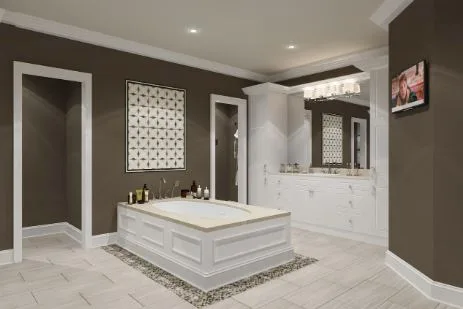
Bathroom remodeling is another area where thoughtful upgrades can have a big impact. Modern bathrooms prioritize comfort, cleanliness, and efficient use of space.
Features like walk-in showers, smart fixtures, and improved ventilation systems enhance both usability and value. Even minor upgrades, such as replacing outdated tiles or installing new vanities, can refresh the entire space.
Combining style with functionality is key when planning a bathroom renovation.
Coordinating Multiple Construction Services
Large projects often involve several services, including construction, framing, flooring, and exterior upgrades. Coordinating these elements requires careful planning and experienced professionals.
Working with a reliable platform like Top1Builders.com can help streamline the process by connecting you with skilled contractors who understand how to manage complex projects efficiently.
Proper coordination reduces delays, avoids costly mistakes, and ensures that every phase aligns with your overall vision.
Budgeting and Planning for Success
Every remodeling or construction project should start with a clear budget and timeline. This helps you prioritize tasks and avoid overspending.
Start by identifying your main goals. Are you focusing on increasing property value, improving functionality, or updating aesthetics? Once you have a clear objective, you can allocate resources accordingly.
It is also important to set aside a contingency budget for unexpected expenses, especially in projects involving demolition and structural changes.
Long Term Benefits of Home Improvement
Investing in remodeling and construction offers long-term advantages. Beyond immediate comfort and visual appeal, these upgrades can significantly increase your property’s resale value.
Energy-efficient materials, modern designs, and durable construction techniques reduce maintenance costs and improve sustainability. Over time, these benefits outweigh the initial investment.
Home improvement is not just about fixing what’s broken; it’s about creating a space that supports your lifestyle and future needs.
Final Thoughts
From kitchen remodeling to custom landscaping, every aspect of home improvement contributes to a better living experience. By focusing on quality materials, skilled workmanship, and thoughtful planning, you can achieve results that stand the test of time.
Whether you’re planning a small upgrade or a full-scale construction project, understanding each phase helps you make smarter decisions. With the right approach, your home can become more functional, comfortable, and valuable for years to come.