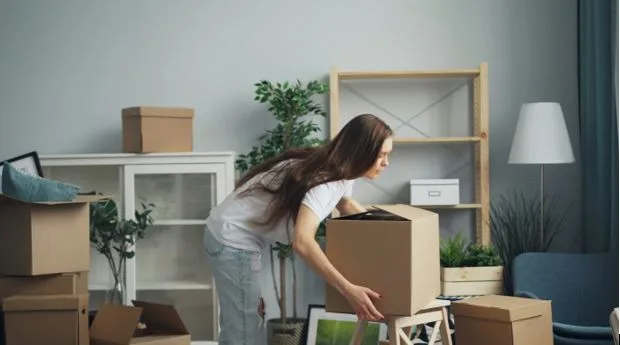
Smart Tips for a Smooth Move to a New Home
Moving always looks simple on paper. A few boxes, a free weekend, maybe a friend who swears they’re great at lifting furniture. Reality tends to hit the moment you look around and realize nothing is ready. Little tasks start popping up everywhere. Keys that need returning. Cabinets that still have random things shoved in the back.
Most people try to push through with a burst of motivation, then lose steam halfway through. A calm plan saves you from that spiral. Simple reminders help more than you think. They keep you grounded when the house feels like a tornado passed through it.
Planning Ahead Before Stress Takes Over
A move usually starts with good intentions. A notebook, a fresh pen, maybe a checklist you swear you’ll follow this time. Life then decides to get busier right when you need the space to focus. Planning early gives you room to breathe when the pressure builds. A basic timeline helps more than fancy apps or complicated systems.
Small daily actions make a huge difference. One drawer today. A cabinet tomorrow. A quick call to confirm dates. These little wins keep you steady when fatigue kicks in. The real trick is pacing yourself, even when everything feels urgent. A quiet plan keeps the move from taking over your whole life.
Hiring a Moving Company That Doesn’t Add to the Headaches
A solid moving team changes everything. After a full week of work, the idea of carrying heavy boxes is often enough to make people seek help sooner rather than later. A good company brings real relief—because someone else handles the heavy lifting and the logistics.
Talking with moving companies also shows how different each option can feel once you start digging into the details. Location matters, too. That’s why local movers can make a huge difference: they understand regional rules and building requirements, and they know the best routes across the city. Picking the right team gives you one less thing to worry about when everything else feels messy.
Sorting What Stays and What Really Needs to Go
A move exposes every forgotten corner of your home. Old clothes, dusty cables, unused gadgets you swore would change your life. Sorting through it can be frustrating, especially after work when you’re already tired. A slow approach makes it bearable.
Quick decisions help. Keep it, donate it, or toss it. No long debates. Momentum feels better than perfection. A lighter load makes the rest of the move easier, and you feel it instantly.
Packing Room by Room Without Losing Steam
Packing everything at once drains your energy faster than you expect. Tackling one room at a time feels manageable, even on nights when you just want to lie down and forget the whole thing.
A simple goal like finishing one closet builds confidence. Labels save you later. A clear marker, a few words, and you avoid digging through ten boxes for a single sweater. Packing isn’t fun, and nobody pretends it is.
Gathering the Right Supplies Before Panic Hits
Nothing tests your patience like running out of tape when you’re finally in a groove. A quick stock-up before you begin keeps the late-night frustration away. Boxes, markers, wrap, and strong bags cover almost everything you’ll need.
Decent supplies make the whole process smoother. A sturdy box holds up when you’re carrying it after a long day. A good roll of tape keeps the bottom from giving out on the stairs.
Creating a Moving Day Game Plan That Doesn’t Fall Apart
Moving day feels like it arrives faster than anything else on the calendar. You wake up early, already tired, already bracing yourself for surprises. A simple plan helps steady the day. Nothing fancy.
Just a rough idea of who’s helping, what gets loaded first, and where things should go once they arrive. Chaos hits the moment people start walking through the door with boxes. A loose plan keeps everyone moving in the same direction.
Keeping Essential Items Close So You Don’t Lose Your Mind
A move scatters everything you own across boxes you swear you’ll remember later. Then the first night arrives, and you’re exhausted, standing in the middle of a room full of cardboard, wondering where your toothbrush went.
A small essentials bag saves you from that meltdown. It only needs the basics. Chargers. Medications. Documents you can’t risk losing. A few toiletries. Maybe a clean shirt for the next morning.
Settling In Without Rushing Yourself
The first week in a new home always feels strange. Rooms echo differently. Light hits at angles you’re not used to. Boxes sit there, waiting, reminding you that you still have a long way to go. Anyone who rushes the setup ends up burned out and frustrated. The pressure to make everything perfect right away only adds more noise to an already overwhelming moment.
A slower pace works better. One corner at a time. One room when you have the energy. The space starts feeling less foreign once you give yourself room to breathe. The place eventually starts feeling familiar once you stop trying to force everything into shape on day one. A calm approach lets the home settle around you instead of pushing you into more stress.
Moving takes a toll you don’t notice at first. Simple things feel heavier when your head is already crowded with everything else going on. You try to keep going, even when your patience feels thin and the day runs longer than you wanted.
Small progress keeps the whole thing from swallowing you. One box sealed. One shelf cleared. Moments that seem minor but still give you a little relief. Each task makes the space feel slightly more manageable and gives you a bit of control back. The pace might be slow, yet it leads you toward that point where you can finally sit down and feel the weight lift, even if only for a minute.