Smartphone Protection Gets Stylish: How Phone Case Designs Became a Fashion Statement
The market for phone cases will reach 25 billion dollars globally in 2024, but the issue isn’t so much about protection anymore, but about expressing. What started out as plastic shields and rubber bumpers has evolved into a huge fashion category, where people treat their phones’ covers as fashion accessories, switching cases to match their outfits moods, styles and social media aesthetics.
Visit any college campus or browse Instagram and the proof is obvious phones have evolved into pieces of art that you can wear. People now have an average of 3.2 cases per phone according to consumer electronics research. They cycle through different designs in the same way that earlier generations changed their bags or watches. The change is not just about individual behavior, but also how personal technology has merged with fashion-consciousness.
From Function to Fashion: The Cultural Shift
Phone cases came into the mainstream around the year 2010 and were primarily protective equipment. The first users bought OtterBox protectors as well as silicone cases to protect screen cracks. Between the iPhone 6 and the TikTok time period, something fundamental changed.
The smartphone is now the most visited item in our daily lives. Users check their phones every day 96 times on average. That’s more than jewelry, clothing or any other item. Consumers and brands recognized the possibility simultaneously: If you’re grabbing something that you use 352 times per day and it’s a reflection of your personality.
Fashion houses were first to be noticed. Gucci introduced embossed leather cases back in 2015. Casetify worked together with Sarah Jessica Parker in 2018. In the year 2020, Supreme dropped included phones that sold out within minutes. The market for luxury products validated the thing that Gen Z already knew–phone cases need the same level of attention as sunglasses or sneakers.
Why Phone Cases Became a Style Essential
Numerous converging elements pushed phone cases away from the electronic aisles to fashionable must-have:
- Uniformity in devices led to an appetite for customization as smartphones became sleek black rectangles that had no distinction, people wanted options to customize their primary device
- Social media exposure Phone cases are featured in selfies, flatlays and videos of unboxing, which makes them background characters in millions of posts every day.
- Economical aspects of fast fashion Cases range from $15 to $50 and are therefore a quick, easy purchases that give instant satisfaction
- The psychological ownership The ability to customize a $1,000 device makes users feel more connected to the technology that they frequently finance
- Gender-neutral accessory to fill a gap phone cases filled the gap for accessories that are expressive and can are gender-neutral and work with all genders of presentation styles
- The theater of sustainable development The swapping of cases prolongs the perceived life of the device even though the phone itself isn’t changed often
The psychology goes deeper than aesthetics. The psychologist Dr. Karen Nelson-Field is a consumer behavior researcher, says that the technologies that are visible today function to act as “micro-signals to show tribal belonging”–choosing simple clear cases against a glittery, maximalist design conveys values just as fashion brands did in the past.
Celebrity Endorsements and Streetwear Credibility
Cases for phones became popular after celebrities wore their cases as accessories for paparazzi. Bella Hadid’s rotating collection vintage-styled cases ignited a new trend. Travis Scott’s Cactus Jack collaboration with a major manufacturer of cases sold 40,000 units within 72 hours. The lime-green style of Billie Eilish was extended to her phone cases which inspired numerous imitations.
Streetwear brands have fueled the trend. Palace, Stussy, and Bape launched limited-edition cases which were resold on StockX at a price that was triple the retail value. The cross-pollination of the world of sneaker culture and collecting phone cases has created the fans of the hypebeast who monitor cases as do Jordan releases.
K-pop’s influence was equally potent. BTS members’ phones were popular in Asian markets within hours of photos from airports being released. Korean and Japanese companies pioneered “character cases” with cartoon characters that Western markets initially rejected but then embraced by businesses that sell stylish phone cases that combine Eastern Kawaii with Western minimalist design.
Gen Z and the Personalization Economy
In the case of Gen Z consumers, phone cases are a way to express yourself in a this expensive world. Gen Z faces the challenge of housing affordability and student loans, yet wants to be identified with a few markers. A $22 package provides instant personalization with no financial burden.
The data support the obsession:
- 73 percent of Gen Z users own multiple cases and swap them frequently
- 61% of respondents consider their phone case to be part in your “personal brand”
- 54% of people have bought an item specifically designed to capture for social media
- 68% of people prefer cases with clearly designed design statements rather than simple protection
Print-on demand technology has made access to printing more accessible. Websites now allow users to upload images, artwork or texts, and create unique designs. Etsy sellers built six-figure businesses around niche aesthetics–cottagecore florals, dark academia typography, astrology motifs. The micro-trends that lasted for a long time were resonating perfectly in marketplaces for phones.
Market Growth and Consumer Behavior Patterns
The numbers tell the growth story. The worldwide market for phone cases was up 34% between the years 2020 and 2024, beating the growth in smartphone sales by four times. North America accounts for $8.2 billion of annual sales for cases which is equivalent to $67 annually on phone protection and design.
Patterns for buying reveal fashion parallels:
- A seasonal change Users make up 41% purchase new cases for winter and summer and treat them as clothing for the seasons.
- Event-related purchases Sales for cases spike in the days before holidays, music festivals and back-to school periods.
- The dominance of impulse 78% of purchases are unplanned and happen in Target sales or when online browsing
- Loyalty to brands Users build their preferred case makers in the same way they choose clothing brands, and 59% of their customers returning for more
Retail strategies have been adapted. Apple Stores now display cases that look like jewelry. Amazon’s algorithm suggests cases in line with the fashion history of browsing and not only compatibility with the device. Target has dedicated its endcaps to rotating cases which change every month.
Design Trends Defining 2025
The phone case market this year is a striking example of distinct design and style:
- A Y2K-inspired revival Metallics, butterflies patterns, and frosted transparent materials that evoke early 2000s technology
- Cottagecore – continuation with pressed floral designs, scenes of pastoral and old botanical illustrations
- Maximalist collage Layered graphics that combine photographs, text and abstract elements into deliberately chaotic compositions
- Materials that are sustainable Cases made of biodegradable materials of wheat straw, bamboo as well as recycled plastic from the ocean.
- Gritty textures functional bumps and ridges that double as design elements that can be tactile.
- Transparent minimalist Clear cases displaying the color of the device, typically with subtle metallic accents on buttons
- Nostalgic technology Cases made to appear as Game Boys, cassette tapes or even vintage cameras
- Mysticism and Astrology: Zodiac signs, images of the Tarot, and celestial patterns that dominate young adult purchases
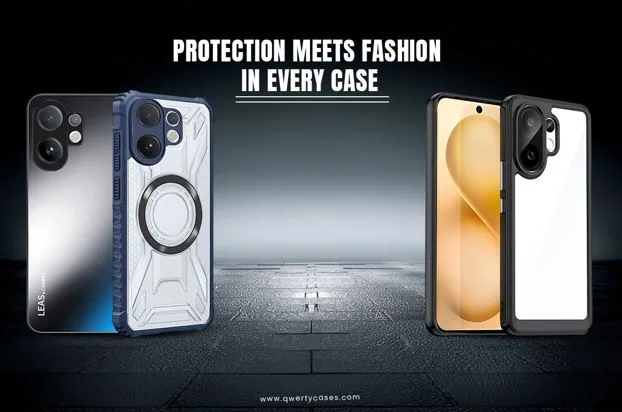
Brands such as QwertyCases have profited from these trends, offering premium mobile covers printed with high-quality that have a range of styles and allow users to create collection of cases with curated designs instead of sticking to a single style. The platform model — where one retailer has a range of designs–is mirrored by how Zara or H&M operate in the apparel industry.
The Identity Economics of Phone Fashion
What motivates someone to have seven cases for their phones? It all comes down to the concept of identity multiplication. Modern consumers present different versions of themselves across contexts–professional Zoom calls, casual weekend brunches, gym sessions, date nights. Phone cases allow rapid identity changes without clothing modifications.
The issue is especially relevant to remote workers. Case swaps signal mental transitions between work and personal time, which creates mental boundaries after physical boundaries have been dissolved. Therapists advise clients to choose “serious” types of cases to use for business calls, as well as “fun” styles for personal time.
It’s affordable, which makes the experience low-risk. In contrast to a $300 jacket which requires commitment, a case of that style and range allows users to test the aesthetics of their choices like these premium vivo v60 cases. Perhaps I’m the minimalist this week; or maybe I’ll be a maximalist in the next month. The impermanence is a relief in an era of constant postings on social networks and footprints from digital media.
Looking Ahead: Where Phone Fashion Goes Next
The industry of phone cases is looking at technology that blurs the lines of protection and fashion. E-ink cases that can change design by app are already available in the form of prototypes. Modular cases that have interchangeable decorative panels are becoming popular. Certain companies are experimenting with cases that serve as mirrors for cards, compact mirrors or even mini displays.
The pressures of sustainability will alter the way we produce. Consumers are increasingly demanding recyclable materials in addition to take-back and recycling programs. Companies that address the disposal issue–perhaps through rental models, or even biodegradable alternatives — will be able to attract eco-conscious buyers.
The main shift, however it has already happened. Phone cases have gone from being a protective gadgets to fashionable accessories taking over the space of bags, watches and other jewelry. So long as smartphones are our primary users the cases that protect them will keep evolving, reflecting not only our personal fashion but also how we want others to view us in a world in which our physical and digital identities are now inseparable.
The question of $25 billion isn’t about whether or not phones will be fashionable, but what trends will determine the next wave of small-sized self-expression.