Smartwatches Are Getting Smarter: The Features That Could Define the Next Wave of Wearable Tech
Introduction.
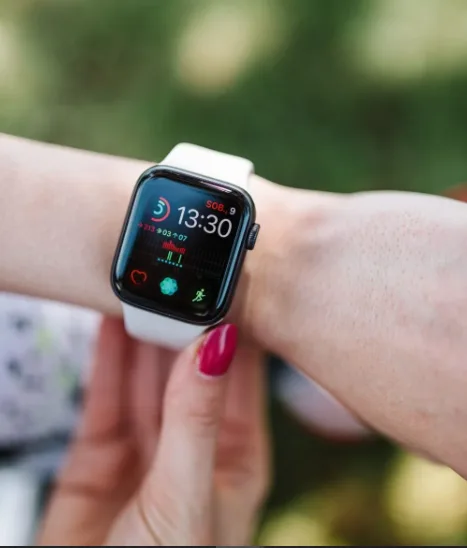
Smartwatches have moved far beyond being simple accessories for checking notifications or counting daily steps. Modern wearable devices can monitor activity, track sleep, measure heart rate, provide navigation, support communication, and connect with a growing range of digital services. As sensors, artificial intelligence, and battery technology continue to improve, the next generation of smartwatches could become even more useful in everyday life. From more personalized health insights to smarter assistants and improved safety features, wearable technology is entering an exciting stage of development. For technology enthusiasts who enjoy following these changes, geekblog provides a useful place to explore the latest digital trends and innovations. The future of smartwatches will not simply depend on adding more features; it will depend on making those features more accurate, practical, and easier to use.
AI-Powered Personal Assistance.
Artificial intelligence could become one of the most important technologies shaping future smartwatches. Instead of simply responding to basic commands, AI-powered watches may understand routines, recognize patterns, and provide more useful suggestions based on individual needs.
For example, an advanced smartwatch could notice that a user normally becomes active in the morning and automatically prepare relevant information such as weather, appointments, or travel details. AI could also help users interpret complicated fitness information instead of presenting them with numbers that may be difficult to understand.
Another potential improvement is more natural voice interaction. Users may be able to ask questions, control smart-home devices, create reminders, or receive personalized recommendations without repeatedly navigating menus on a tiny screen.
Advanced Health and Wellness Monitoring
Health and wellness tracking is already one of the biggest reasons people purchase wearable devices, but future smartwatches could offer significantly more detailed monitoring. Better sensors may allow watches to collect information about heart activity, sleep patterns, exercise performance, stress levels, and other wellness indicators.
The major benefit will be turning raw data into understandable information. Rather than simply showing a heart rate number, a smartwatch could identify unusual patterns and encourage the user to pay attention to changes over time.
Future wearable technology may also become better at sleep analysis. Instead of only calculating how long someone slept, a smartwatch could provide more detailed information about sleep consistency, nighttime movement, and recovery patterns.
However, health features should be viewed as wellness and monitoring tools rather than replacements for professional medical advice. Accuracy, privacy, and responsible use will remain important requirements as these capabilities develop.
Smarter Sensors and More Accurate Tracking
The quality of a smartwatch depends heavily on the sensors inside it. Future models are expected to make greater use of improved sensors that can collect information more accurately while consuming less power.
Location tracking could also become more precise. This would be particularly useful for runners, cyclists, hikers, and travelers who depend on their watches for navigation and activity recording. Improved positioning technology could help users understand routes and movement with greater accuracy.
Motion sensors may become more intelligent as well. Instead of simply detecting movement, future devices could recognize different types of physical activity automatically. A smartwatch might identify when someone begins walking, cycling, swimming, or performing another workout and adjust its tracking accordingly.
These improvements could make wearable devices less dependent on manual settings and more capable of working quietly in the background.
Longer Battery Life and Better Charging
Battery life remains one of the biggest requirements for smartwatch users. A device with advanced features is less useful if it needs to be charged every few hours. Future wearable technology will therefore need to balance powerful processors, bright displays, advanced sensors, and energy efficiency.
Manufacturers may improve battery performance through more efficient chips, smarter power management, and better battery materials. Software could also play an important role by reducing power consumption when certain functions are not needed.
Charging methods may become more convenient too. Faster wireless charging could reduce the amount of time users need to keep their watches connected to a charger. Some future concepts may also explore alternative energy sources, although practical everyday implementation will depend on technological progress.
For readers interested in broader technology developments and digital solutions, geekblog is another place to explore technology focused information and emerging trends.
Personalization and Adaptive User Experiences.
Future smartwatches could become much more personalized than today’s devices. Instead of providing the same experience to every user, software could adapt according to individual habits, preferences, and daily routines.
A watch might learn which applications a person opens most often, which notifications are important, and what information is most useful at different times of the day. This could make the interface less cluttered and reduce unnecessary interruptions.
Personalized watch faces could also become more functional. Rather than displaying only the time and a few icons, the screen could automatically highlight relevant information such as upcoming meetings, fitness progress, weather conditions, or travel details.
Customization may extend to health and fitness goals as well. Someone training for a marathon would require different information from someone mainly interested in maintaining daily activity. Adaptive software could adjust recommendations accordingly.
Better Connectivity and Standalone Features.
Smartwatches are increasingly becoming independent devices rather than simple companions for smartphones. Future models could continue this trend with better cellular connectivity, Wi-Fi performance, Bluetooth capabilities, and communication tools.
A more independent smartwatch could allow users to make calls, send messages, access online services, use navigation, and stream selected content without constantly relying on a nearby smartphone.
This could be especially useful during exercise. A runner may prefer leaving their phone at home while still being able to contact someone in an emergency or access navigation information.
Connectivity with other smart devices could also become more advanced. A smartwatch may eventually act as a convenient control center for smart lights, home security systems, vehicles, headphones, and other connected products.
As wearable technology becomes more connected, users can follow new developments and practical technology ideas through resources such as GeekBlog.net.
Safety Features for Everyday Life.
Safety could become another major area of smartwatch development. Modern devices already offer features such as emergency calling and location sharing, but future watches could make these tools faster and more intelligent.
For instance, advanced motion sensors may help identify serious falls or unusual movement patterns. If the device detects a possible emergency, it could provide an alert and give the user an opportunity to contact an emergency service or trusted person.
Location sharing capabilities could also become more useful for outdoor activities. Hikers, cyclists, and travelers could benefit from improved location accuracy and emergency communication options.
The key requirement for safety technology is reliability. False alarms, poor connectivity, and inaccurate sensors can reduce the usefulness of emergency features. Future manufacturers will need to focus on dependable performance rather than simply adding more functions.
What Users Should Look for in a Future Smartwatch
People considering a new smartwatch should focus on practical requirements rather than choosing a device simply because it has the longest list of specifications.
Important factors include:
- Battery life: A good smartwatch should comfortably support the user’s normal routine.
- Sensor accuracy: Health and fitness tracking becomes more useful when measurements are consistent.
- Comfort: A watch should be comfortable enough to wear throughout the day and during sleep.
- Software support: Regular updates can improve security, performance, and functionality.
- Compatibility: Users should check whether the watch works properly with their smartphone and other devices.
- Privacy: Health and personal data should be handled responsibly and protected with strong security.
- Durability: Water resistance and a strong build can be important for exercise and outdoor activities.
- Connectivity: Cellular, Bluetooth, Wi-Fi, and GPS capabilities should match the user’s requirements.
The best smartwatch will not necessarily be the most expensive model. The right choice is the one that provides useful features without creating unnecessary complexity.
The Future of Wearable Technology
The next wave of smartwatches could blur the line between fitness tracker, personal assistant, communication device, and health monitoring tool. Instead of waiting for users to open an application and search for information, watches may increasingly anticipate what information is useful at a particular moment.
Artificial intelligence, improved sensors, better batteries, and more powerful processors will work together to create this experience. At the same time, manufacturers will need to address privacy, security, accuracy, and responsible data collection.
Another important development could be greater integration with other wearable products. Smart rings, wireless earbuds, fitness equipment, and smart clothing could share information with a smartwatch, creating a broader ecosystem of connected devices.
The result could be a more seamless digital experience in which technology becomes less noticeable while still providing useful assistance throughout the day.
Conclusion.
Smartwatches are developing from simple notification devices into increasingly capable pieces of wearable technology. Future models could bring better AI assistance, improved health monitoring, smarter sensors, longer battery life, stronger connectivity, personalized experiences, and more reliable safety features. The biggest improvement, however, may be how naturally these technologies work together. Users will increasingly expect their devices to provide useful information without requiring constant interaction. At the same time, privacy, accuracy, comfort, and battery performance will remain essential requirements. As the wearable industry continues to evolve, geekblog and other technology focused resources can help readers keep track of the innovations shaping everyday digital experiences. The future smartwatch may not just tell time it could become a smarter and more personalized companion for modern life.