Social Media Finder by Photo vs Privacy: Is It Safe?
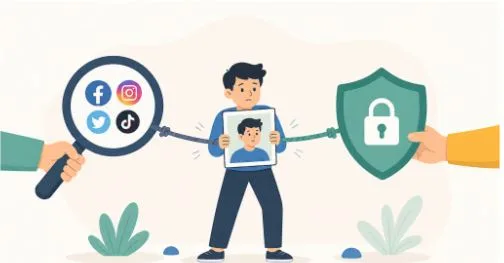
The increasing use of facial recognition technology, which people can access for identification purposes, has created a situation where people must choose between protecting their personal security and maintaining their right to private life. Modern daters face a complex question: can you ethically find social media accounts by photo? The answer requires nuance because it needs to consider both the valid safety issues and the acceptable privacy standards. Responsible use of these tools requires that users establish their verification needs and decide when to stop using them.
The tension between safety and privacy exists because both elements carry important worth to society. You need to verify your potential partners because you have legitimate rights as a dater. People should expect to have their personal space protected, which includes their photographs and their digital activities. You need to think deliberately about your tool usage because achieving balance requires this approach.
The Privacy Paradox
The use of facial recognition technology leads to actual privacy issues, which require examination as a serious matter. You operate a social media face search system to authenticate someone, which uses biometric identification technology that operates without their informed consent. The person whose photo you are analyzing didn’t give permission for facial recognition analysis, which was intended for dating verification purposes. This situation creates a moral dilemma that exists between digital ethics boundaries. The photos are publicly available on social media, so searching them should not be considered a violation of privacy laws. The analyzed person did not give permission for facial recognition use in dating verification purposes. The existing disconnect between technology and ethical standards creates genuine questions about which technologies people should use.
Algorithmic Bias and Equity Concerns
Facial recognition systems, such as Face2social, are used for commercial purposes and exhibit systematic bias problems that impact their ability to accurately identify individuals from minority racial groups. Research has consistently shown that facial recognition algorithms show better performance when they analyze lighter skin facial features than when they process darker skin facial features. The accuracy gap between facial recognition systems makes a substantial impact on dating app users
Social media face search tools provide unequal protection because they show lower accuracy rates for specific user groups. Certain daters might experience false negatives (the tool fails to find their accounts) or false positives (the tool incorrectly identifies them). Different dating demographics experience varying levels of threat from catfishing and romance scams. The responsible use of these tools requires a complete understanding of their inherent biases.
The Function Creep Problem
Function creep presents a major privacy risk because it enables tools that designers created to meet one objective to develop into multiple uses. The existing technology framework for facial recognition dating verification will lead to future development of systems that enable stalking, harassment, and invasive surveillance practices.
Historical evidence shows that surveillance technologies, which begin with specific operational goals, tend to expand their functions beyond their initial purposes. What begins as voluntary dating verification procedures will transform into mandatory background checks for workers and government surveillance operations. Privacy advocates correctly caution against the practice of facial recognition normalization because its long-term effects remain unknown.
Consent and Transparency Issues
People who post their photos to Instagram and Facebook platforms, because their audience consists of friends and followers, do not give their permission for facial recognition assessment, which the platform uses to verify their identity for dating purposes. When people post photos online, they create an implicit agreement that differs from their explicit agreement to allow others to examine their pictures through AI technology, which performs analysis beyond what they expected.
Most social media platforms maintain terms that define user consent for photo usage, which allows platforms to utilize pictures for various activities, yet this existing agreement does not permit others to use facial recognition systems without obtaining separate permission. This situation exists because people believe they have given consent when actually their data gets used without their knowledge, which creates an ethical issue that needs resolution because of its detrimental effects on society, despite its minor legal ramifications.
The Case for Responsible Verification
Privacy issues exist, yet online dating needs verification because it serves vital purposes. The existence of identity verification tools provides essential protection against documented dangers, which include romance scams, catfishing, and dating violence. The main difference between the two types of verification systems exists because one requires only standard verification, while the other needs complete monitoring of personal activity.
People should conduct social media face searches before meeting new people in real life because they need to assess their personal safety. People need to perform basic investigative work because deception leads to serious consequences in this situation. The ethical solution requires organizations to implement verification processes while maintaining control over their use.
The Modern Dating Reality
People who date now use social media verification methods that search for their match’s photos. Most daters view it as responsible rather than invasive. The online dating system has developed into a social institution that operates with established procedures and social norms. The current dating system requires verification, but the public sees it as a standard practice now, which continues to raise moral issues. The current question about verification demands an answer that explains how to use it in a proper way.
Finding Your Personal Balance
People create different standards for verification according to their personal experience, their risk assessment, and their value system. Someone who has experienced catfishing will need to check all their matches. People who want to decrease their technology usage will only check their matches before they meet in person.
Your social media usage should follow planned methods that determine your specific times for using face search tools. Your verification methods need to be shown to others in an open way. After establishing basic authenticity, you must safeguard the privacy rights of individuals. Use dating platforms that have built-in verification systems instead of using unsafe surveillance systems.
Conclusion
The question “Is it safe to find social media accounts by photo?” has multiple answers depending on your perspective. The system operates safely through responsible usage according to its technical requirements. The ethical dimension needs evaluation because people must consider their purpose and their limits. The law allows this action because people need to follow the existing rules. Face2social and similar tools allow people to verify their dating profiles when they use the tools in a controlled manner while protecting their personal information. Your safety matters, and having tools to verify identity is appropriate. What matters is using those tools with integrity and respect for others’ reasonable privacy expectations.