Solar Security Cameras: What to Know Before You Buy One
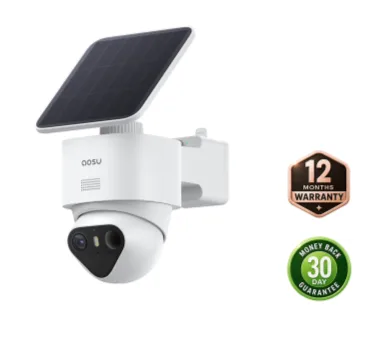
Running an electrical outlet to a detached garage, a shed at the back of the yard, or a gate at the edge of a property is often more trouble than it’s worth. That’s exactly the gap solar security cameras were designed to fill. Instead of depending on nearby power infrastructure, these units generate their own charge from sunlight, which opens up monitoring options in spots that would otherwise stay uncovered.
Rural property owners dealing with long distances between buildings, and suburban homeowners wanting to cover a driveway gate or side yard without hiring an electrician, are the two groups who benefit most from this approach. But solar cameras come with their own set of considerations around placement, sunlight exposure, and seasonal performance that don’t apply to plugged-in systems.
This guide breaks down what actually affects solar camera performance and how to plan an installation that keeps working through changing weather and seasons.
How Much Sunlight Is Actually Enough
Solar panels attached to security cameras need direct, unobstructed sunlight for a meaningful portion of the day to keep the internal battery charged. A location that gets dappled light through tree branches or only receives sun for an hour or two won’t generate enough charge to sustain regular use, especially once motion-triggered recording starts drawing down the battery faster than the panel can replenish it.
South-facing mounts generally receive the most consistent sun exposure in most locations, though the ideal angle depends on the specific latitude and surrounding obstructions. Before finalizing a mounting spot, it helps to observe the location across a full day to check for shadows cast by trees, roof overhangs, or nearby structures that might not be obvious at a quick glance.
Seasonal Sunlight Changes
Sun angle and day length shift significantly between summer and winter, which means a spot that charges a camera well in July might struggle by December. Anyone installing a solar camera in a region with real seasonal variation should account for this by choosing a mounting angle that favors winter sun angles, since summer’s more generous daylight hours will still provide adequate charge even at a less-than-perfect angle.
Battery Backup and Cloudy Weather
Every solar security camera relies on an internal battery to bridge the gap between charging sessions, and the size of that battery determines how many consecutive overcast days the camera can handle before running low. Extended periods of cloud cover or heavy rain reduce solar input dramatically, so a camera with only a small buffer battery can lose power during a rainy week even if it performed fine all summer.
Checking a camera’s rated standby time on battery alone, separate from its solar charging capability, gives a more honest picture of how it will perform during a stretch of bad weather. Cameras built for regions with unpredictable weather, like the solar security cameras lineup from AOSU, are engineered with this kind of buffer in mind so coverage doesn’t drop out during a few cloudy days.
Panel Placement Versus Camera Placement
Some solar camera models come with an integrated panel, while others use a separate panel connected by a short cable, which allows the camera itself to be mounted in a shaded or optimal viewing position while the panel gets full sun elsewhere. This separation is particularly useful for locations where the best camera angle and the best sun exposure don’t line up, which happens more often than most people expect.
Installation and Mounting Tips
Solar cameras still need a stable, secure mount, and the added weight of the panel means checking that the mounting surface can support it long-term, especially in windy areas. Angling both the panel and the camera housing to shed rain and snow rather than collect it prevents buildup that can block the sensor or reduce charging efficiency during winter months.
It’s also worth cleaning the solar panel surface periodically, since dust, pollen, and bird droppings accumulate over time and gradually reduce charging efficiency even in a sunny location. A quick wipe every few months keeps the panel performing at its rated capacity.
Comparing Long-Term Value
The upfront cost of a solar setup is often offset by the complete absence of ongoing electrical work or battery replacement trips for hard-to-reach locations. For a camera mounted on a distant fence line or barn, the convenience of never needing to physically access the unit to swap batteries outweighs the modest premium over a standard wired or plug-in model.
Getting Reliable Coverage From the Sun
Solar security cameras open up monitoring options for locations that wired or plug-in cameras simply can’t reach, but getting consistent performance depends on realistic sunlight assessment and understanding battery backup limits. Checking actual sun exposure across a full day, accounting for seasonal changes, and choosing a model with adequate backup capacity for cloudy stretches all matter more than headline specs.
With the right placement and a bit of periodic maintenance, a solar camera can provide years of coverage in spots that would otherwise require expensive electrical work just to get power to the location.