Solar Simple VMS Display Benefits
Introduction
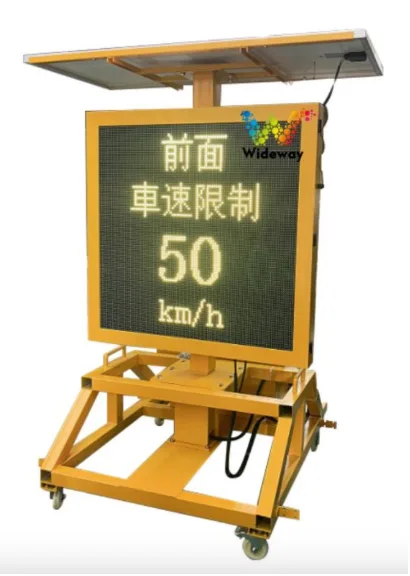
A Solar Simple VMS Display is a solar-powered variable message sign designed to display important traffic information, safety warnings, and road instructions. It is useful for construction zones, highways, parking areas, and temporary traffic management projects.
Solar-powered VMS displays use energy from sunlight to reduce dependence on traditional electrical connections. They can help improve driver awareness, support road safety, and provide flexible traffic communication in different environments.
What Is a Solar Simple VMS Display?
A Solar Simple VMS Display is an electronic sign that presents messages to drivers and road users. Depending on its design, it may display text, symbols, arrows, and warning messages using LED technology.
The system generally includes a display panel, solar panels, a battery, and a controller. Some models also support remote message updates and adjustable brightness.
Its main purpose is to communicate important information clearly, especially where permanent signs or grid electricity may not be practical.
Key Benefits of Solar VMS Displays
1. Solar-Powered Operation
Solar panels convert sunlight into electricity to power the display and charge its battery. This can reduce electricity costs and support operation in locations without convenient grid access.
2. Improved Road Safety
Variable message signs can warn drivers about roadworks, changing speed limits, traffic congestion, and potential hazards. Timely information helps drivers make better decisions.
3. Flexible Installation
Solar VMS displays can be installed at selected roadside locations, construction sites, and temporary traffic control points. Portable models are particularly useful for projects that require signs to be moved.
4. Energy Efficiency
LED technology generally consumes less energy than many traditional lighting systems. When combined with suitable solar panels and battery storage, it can support efficient operation.
5. Reduced Wiring Requirements
Solar-powered systems can operate without a continuous grid connection. This may simplify installation in remote areas and reduce the need for extensive electrical infrastructure.
Common Applications
Solar Simple VMS displays are suitable for several traffic and safety applications.
- Highway warnings and temporary traffic instructions.
- Road construction and maintenance projects.
- Parking guidance and facility entrances.
- Temporary diversions and lane closures.
- Event traffic management.
- Safety messages in industrial areas.
The exact applications depend on the display’s size, message capabilities, and regulatory requirements.
Important Features to Consider
When selecting a Solar Simple VMS Display, consider LED visibility, display dimensions, battery capacity, solar panel output, and weather resistance.
A suitable system should provide clear messages during daylight and at night. Automatic brightness adjustment can improve readability while helping conserve energy.
Battery capacity is particularly important in locations that experience cloudy weather or extended periods without sufficient sunlight.
Maintenance and Performance
Regular maintenance helps keep a solar VMS display operating reliably. Inspect the solar panels for dust and debris, check the battery condition, and examine the display for damage.
The mounting structure should remain stable under local wind and weather conditions. Software and message controls should also be checked when the system includes programmable functions.
Following the manufacturer’s maintenance schedule can help extend equipment life.
Conclusion
A Solar Simple VMS Display offers a flexible way to communicate traffic information using solar energy. Its potential benefits include reduced dependence on grid electricity, easier installation in suitable locations, and improved communication with drivers.
Choosing the right system requires attention to visibility, battery performance, weather resistance, and local traffic regulations.