Solid Surface Bathtub Cracks: What Causes Them and How to Repair
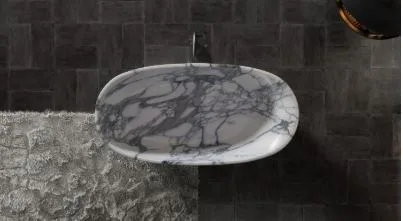
Walk into almost any modern hotel suite, spa bathroom, or high-end residential project, and there’s a good chance you’ll see solid surface bathtubs taking center stage. Their seamless design, soft matte texture, and sculptural look make them a favorite among architects and interior designers.
But here’s something many property managers and contractors eventually face: cracks.
Now, before you panic, a crack in a bathtub doesn’t automatically mean the tub is ruined. In fact, most issues with solid surface bathtubs can be repaired if you understand what caused the damage in the first place.
After working with commercial bathroom installations and speaking with installers over the years, I’ve learned that bathtub cracks usually fall into predictable patterns. In this guide, we’ll break down the real reasons cracks happen, how to repair them correctly, and—most importantly—how to prevent them from happening again.
What Makes Solid Surface Bathtubs Unique?
Before talking about cracks, it helps to understand why solid surface bathtubs behave differently from acrylic or fiberglass tubs.
The Material Structure
Unlike thin plastic shells, solid surface materials are made from a mixture of mineral fillers and resin binders. This creates a dense, non-porous material that is consistent all the way through.
That means:
l Scratches can often be sanded out
l Surfaces can be refinished
l Repairs blend more naturally
This is one of the reasons designers often choose solid surface bathtubs for luxury homes and commercial hospitality spaces.
Why Designers and Contractors Prefer Them
There are a few reasons these tubs show up in so many premium bathrooms:
l Seamless, sculptural appearance
l Durable and long-lasting materials
l Excellent heat retention
l Matte finishes that feel natural to the touch
However, despite their durability, solid surface bathtubs are not indestructible. When cracks appear, it’s usually due to structural or installation factors—not the material itself.
The Most Common Causes of Cracks in Solid Surface Bathtubs
Let’s talk about the real-world scenarios where cracks occur. Most installers will tell you the same thing: cracks rarely happen randomly.
There’s almost always a reason.
Improper Installation
This is by far the number one cause.
Solid surface tubs are heavy—often 250 to 400 pounds before water and a person are added. If the base isn’t properly supported, the weight distribution becomes uneven.
Over time, this leads to:
l Stress points along the base
l Micro-fractures
l Eventually visible cracks
A bathtub that rocks slightly when stepped into is an early warning sign.
Proper support systems and level flooring are critical when installing solid surface bathtubs in both residential and commercial projects.
Structural Movement in the Building
Commercial buildings, especially new constructions, experience minor settling during the first few years.
If a bathtub is tightly fixed against rigid walls without expansion tolerance, structural movement can transfer pressure into the tub shell.
This kind of stress can cause:
l Hairline cracks near corners
l Stress fractures near drains
l Separation along edges
It’s a subtle issue, but experienced installers always leave a small allowance for building movement.
Thermal Stress
Another surprising factor is temperature shock.
Imagine filling a tub with extremely hot water after the room has been cold for hours. Rapid expansion can place stress on the material.
This is uncommon but possible in:
l Spa facilities
l Vacation properties
l Bathrooms that remain unheated overnight
Gradual temperature changes are always better for solid surface bathtubs.
Impact Damage
Sometimes the cause is simply physical impact.
Heavy objects such as:
l dropped tools during renovation
l metal shower fixtures
l ceramic bottles or decor
can cause localized fractures.
Unlike acrylic tubs, solid surface materials are dense and rigid. That’s great for durability, but sharp impacts can create cracks instead of dents.
Early Signs That a Crack May Be Forming
The earlier you detect an issue, the easier it is to fix.
Here are a few signs professionals look for when inspecting solid surface bathtubs.
Hairline Surface Lines
Tiny, almost invisible lines may appear around:
l the drain area
l the tub base
l corners where walls meet
Run your fingernail gently across the line. If you can feel it, it’s likely a structural crack rather than a surface scratch.
Slight Water Seepage
In rare cases, cracks allow small amounts of water to seep beneath the tub.
Signs include:
l damp flooring nearby
l faint discoloration around the base
l mildew smell under the tub
This should be addressed quickly to prevent structural damage.
Clicking or Flexing Sounds
When stepping into the tub, you might hear a subtle clicking noise.
This often means the base support isn’t evenly distributed, and pressure is concentrating in one area.
Left untreated, this stress may eventually crack the tub surface.
How to Repair Cracks in Solid Surface Bathtubs
Cracks in solid surface bathtubs may look alarming at first glance, but the good news is that many of them can be repaired effectively when handled correctly. Because this material is consistent throughout its structure, surface restoration is often possible without replacing the entire bathtub. The key is identifying the problem early and following a careful repair process that addresses both the visible crack and its underlying cause.
Evaluate the Size and Depth of the Crack
Before starting any repair work, it’s important to determine the severity of the damage. Not every crack means structural failure. Many issues found in solid surface bathtubs are small hairline fractures caused by localized stress or minor impacts.
Start by closely inspecting the area under good lighting. If the crack is shallow and shorter than a few inches, it may only affect the surface layer. However, deeper or longer cracks—especially those near the drain or base—may indicate structural stress. In those cases, the repair process should also include checking the tub’s support system to prevent future damage.
Clean and Prepare the Surface
Proper preparation plays a critical role in achieving a durable repair. The damaged area should be thoroughly cleaned to remove soap residue, body oils, and mineral buildup. These contaminants can prevent bonding materials from adhering properly.
A common preparation method involves wiping the crack with a mild cleaning solution followed by isopropyl alcohol. Light sanding around the damaged area helps open the crack slightly, allowing the repair compound to penetrate more effectively. When working with solid surface bathtubs, this step ensures that the repair bonds seamlessly with the surrounding material.
Fill the Crack with Repair Compound
Once the area is prepared, a specialized solid surface repair filler can be applied. This material is designed to bond with mineral-based composites and restore structural integrity.
The filler should be carefully injected or spread into the crack, ensuring there are no trapped air pockets. After application, the compound must cure fully according to recommended curing times. This process helps restore the strength and stability of solid surface bathtubs while minimizing the visibility of the repaired area.
Sand and Refinish for a Seamless Look
After the filler has hardened, the repaired area should be gradually sanded using progressively finer sanding pads. This step smooths the surface and blends the repair into the surrounding bathtub material.
The final stage involves polishing or refinishing to match the original matte or satin texture. When done correctly, repairs on solid surface bathtubs are often barely noticeable, restoring both the function and appearance of the bathtub.
When Replacement Is the Better Option
While repairs work in many cases, there are situations where replacement makes more sense.
Large Structural Cracks
If the tub has:
l multiple cracks
l long fractures across the base
l significant water leakage
the structural integrity may be compromised.
Repairing these issues might only provide a temporary fix.
Severe Installation Issues
If the root cause is improper support or structural misalignment, repairing the crack without correcting the installation will likely lead to another crack later.
In commercial properties like hotels or apartment complexes, replacing the tub and correcting the support system often saves money in the long run.
Preventing Cracks in Solid Surface Bathtubs
The best repair is the one you never need.
Fortunately, preventing damage to solid surface bathtubs is relatively straightforward when a few key practices are followed.
Ensure Proper Base Support
Always install tubs on:
l fully leveled flooring
l reinforced bases
l manufacturer-recommended support frames
Uneven weight distribution is the biggest enemy of bathtub longevity.
Avoid Sudden Temperature Changes
Encourage users to:
l start with warm water instead of extremely hot water
l allow tubs to adjust to room temperature
This reduces thermal stress.
Be Careful During Renovations
Many bathtub cracks actually occur during bathroom remodeling.
Dropped tools, ladders, or tiles can easily damage the surface.
Contractors should always protect tubs with padding or covers during nearby construction.
Why Solid Surface Bathtubs Are Still a Smart Investment
After reading about cracks, some people wonder whether solid surface bathtubs are worth the investment.
In reality, they remain one of the most reliable materials in modern bathroom design.
Here’s why.
Long Lifespan
With proper installation and maintenance, these tubs can easily last 15–25 years or more.
Repairability
Unlike fiberglass units that often require replacement after damage, solid surface bathtubs can often be repaired and refinished.
This makes them particularly appealing for:
l hotels
l luxury apartments
l spa facilities
l premium residential homes
Timeless Design Appeal
Minimalist, sculptural bathroom design continues to dominate modern architecture. The smooth matte look of solid surface materials fits perfectly with this aesthetic.
That’s why architects and developers continue specifying solid surface bathtubs in new projects across the U.S.
Final Thoughts
Cracks in bathtubs can feel alarming at first, but most of the time, they’re manageable problems with clear causes.
Whether the issue stems from installation errors, structural movement, or impact damage, understanding the root problem is the first step toward a proper solution.
The truth is, solid surface bathtubs remain one of the most durable and repairable bathtub options available today. With correct installation, thoughtful maintenance, and occasional professional care, they can continue to perform beautifully for many years.
For property developers, hospitality buyers, and contractors sourcing bathtubs for large-scale projects, choosing high-quality materials and reliable manufacturing partners makes all the difference.
And when properly installed and maintained, solid surface bathtubs deliver exactly what modern bathrooms demand: durability, elegance, and long-term performance.