South Africa’s SASSA Grant System: Digital Challenges and Opportunities in 2026
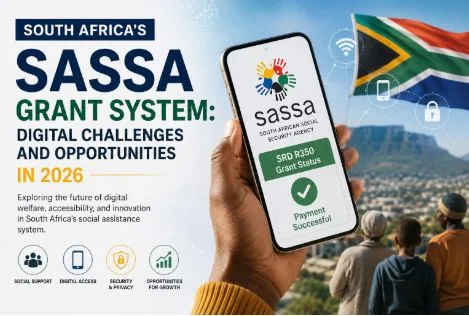
South Africa’s Social Assistance system, administered by the South African Social Security Agency (SASSA), remains one of the most critical lifelines for millions of citizens. In 2026, the system continues to play a central role in poverty alleviation, with grants such as the Social Relief of Distress (SRD) program supporting vulnerable households amid ongoing economic pressures. However, as SASSA increasingly transitions into the digital space, it faces a complex mix of challenges and opportunities that could shape the future of social welfare delivery in the country.
The Growing Importance of Digital Welfare Systems
Over the past few years, SASSA has made significant strides toward digitization. Online applications, status check portals, and mobile-based verification systems have replaced many traditional, paper-based processes. This shift has been driven by the need to improve efficiency, reduce administrative costs, and provide faster access to grant-related services.
For beneficiaries, digital access means the ability to check payment statuses, update personal information, and resolve issues without physically visiting SASSA offices. In theory, this transformation enhances convenience and transparency. In practice, however, the transition has revealed structural gaps that continue to affect millions of users.
Digital Accessibility: A Persistent Barrier
Despite the benefits of online systems, digital accessibility remains one of the biggest challenges facing SASSA in 2026. A significant portion of grant beneficiaries live in rural or underserved areas where internet connectivity is unreliable or expensive. Limited access to smartphones and digital literacy further compounds the issue.
For many users, navigating online platforms can be confusing. Errors in application submissions, difficulty accessing verification tools, and unclear status updates often lead to frustration. As a result, physical SASSA offices continue to experience high volumes of visitors, undermining the very purpose of digital transformation.
Bridging this digital divide requires more than just technology—it demands inclusive design, localized support, and accessible communication strategies tailored to diverse user groups.
System Delays and Technical Glitches
Another major concern is the reliability of digital infrastructure. Beneficiaries frequently report delays in status updates, pending applications, and payment processing issues. In some cases, system outages or verification errors can delay grant approvals for weeks.
These disruptions have real-world consequences. For individuals who depend on monthly grants for basic survival, even minor delays can create financial instability. While SASSA has made efforts to improve backend systems, scalability remains a key challenge as demand continues to grow.
Ensuring system stability and responsiveness will be essential to maintaining public trust in digital welfare services.
Fraud, Security, and Identity Verification
As SASSA expands its digital footprint, it also faces increasing risks related to fraud and cybersecurity. Scammers often target beneficiaries through phishing messages, fake websites, and unauthorized access attempts. Protecting sensitive user data has become a top priority.
To address these risks, SASSA has introduced biometric verification and identity authentication measures. While these technologies enhance security, they can also create additional barriers for users who struggle with verification processes or lack compatible devices.
Balancing security with accessibility is a delicate challenge. Overly complex systems may deter legitimate users, while weaker protections can expose the system to abuse.
Economic Impact of SASSA Grants
Beyond operational challenges, the broader economic role of SASSA grants cannot be overlooked. Social grants contribute significantly to household income, particularly in low-income communities. In many cases, they serve as the primary source of financial support.
Studies have shown that grant payments stimulate local economies by increasing consumer spending on essential goods such as food, transport, and utilities. Small businesses, especially in rural areas, often rely on this steady flow of income within communities.
In 2026, as South Africa continues to navigate economic uncertainty, the efficiency of the SASSA system has direct implications not only for individuals but also for national economic stability.
Opportunities for Innovation and Growth
Despite these challenges, the digital transformation of SASSA presents significant opportunities. With the right investments and strategies, the system can become more inclusive, efficient, and resilient.
One key area of opportunity lies in mobile-first solutions. Given the high penetration of mobile devices in South Africa, optimizing platforms for low-data usage and simple interfaces can greatly improve accessibility. USSD-based services and lightweight applications can help bridge the gap for users without smartphones or stable internet connections.
Partnerships with financial institutions and fintech companies also offer potential benefits. Integrating secure payment systems, digital wallets, and alternative banking solutions can streamline grant distribution and reduce dependency on traditional cash-based methods.
Additionally, data analytics can play a crucial role in improving decision-making. By analyzing user behavior, application trends, and system performance, SASSA can identify bottlenecks and implement targeted improvements.
The Role of Public Awareness and Education
Technology alone cannot solve the challenges facing SASSA. Public awareness and user education are equally important. Many beneficiaries are unaware of how to safely use online platforms or protect themselves from scams.
Clear communication, multilingual support, and community outreach programs can empower users to navigate digital systems more effectively. Simplifying processes and providing step-by-step guidance can significantly reduce errors and improve overall user experience.
Looking Ahead: A Balanced Digital Future
As South Africa moves further into the digital era, the success of SASSA’s transformation will depend on its ability to balance innovation with inclusivity. While technology offers powerful tools to improve service delivery, it must be implemented in a way that leaves no one behind.
Addressing infrastructure gaps, enhancing system reliability, strengthening security, and prioritizing user experience will be critical steps in this journey. At the same time, maintaining a hybrid approach that includes both digital and physical support channels may be necessary to ensure universal access.
In 2026, SASSA stands at a pivotal moment. Its evolution into a digitally driven welfare system has the potential to redefine social assistance in South Africa. If managed effectively, it could serve as a model for other developing nations seeking to modernize their social support systems.
However, the path forward requires careful planning, continuous improvement, and a deep understanding of the communities it serves. Only then can the promise of digital transformation truly translate into meaningful impact for millions of South Africans.