South Carolina’s Mandatory Child Abuse Reporting Law: What Every Adult Needs to Know
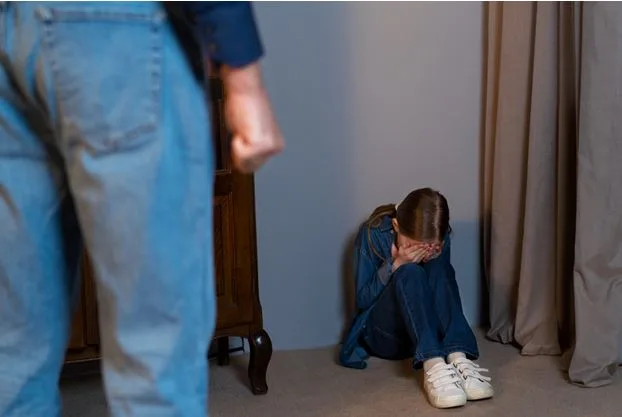
Every year in South Carolina, children are harmed by abuse and neglect that goes unreported. Not because no one noticed, but because the person who noticed didn’t know they were required to act, or wasn’t sure what they saw was serious enough to call in.
South Carolina law is clear on this. The obligation to report suspected child abuse is not a suggestion. For a broad category of adults, it is a legal requirement, and for every adult in the state, understanding that law is one of the most important things they can do to protect the children in their community.
South Carolina Is a Universal Mandatory Reporting State
Most states designate specific professions as mandatory reporters: teachers, doctors, social workers, law enforcement, and others with regular professional contact with children. South Carolina goes further. Under the South Carolina Children’s Code, every person who has reason to believe a child has been abused or neglected is required to report it.
That universal standard means the obligation is not limited to professionals. It applies to neighbors, relatives, coaches, volunteers, and any other adult who comes across a situation involving a child that raises reasonable concern. State attorneys who handle child injury and abuse cases, including those helping families understand how to report child abuse in SC, point to this universal standard as one of the strongest protective frameworks in the country. The question is whether people in communities across the state know it exists.
What Triggers the Reporting Obligation
The legal threshold for reporting is not proof. It is reasonable suspicion. You do not need to witness abuse directly, confirm it, or investigate it yourself. If you have reason to believe a child is being abused or neglected, that is enough to require a report.
The law covers a range of harm, including:
- Physical abuse, including injury caused by excessive corporal punishment
- Sexual abuse or exploitation
- Emotional abuse and psychological harm
- Neglect, including failure to provide adequate food, shelter, clothing, supervision, or medical care
- Exposure to domestic violence in the household
Signs that something may be wrong are not always obvious. A child who is frequently hungry, consistently absent from school, showing unexplained injuries, or expressing fear around a specific adult warrants attention. Behavioral changes, withdrawal, and age-inappropriate sexual knowledge are also indicators that professionals and community members are trained to recognize.
You are not expected to diagnose the situation. You are expected to report what you have observed or heard, and let trained investigators take it from there.
How and Where to Report
Reports in South Carolina are made to the Department of Social Services (DSS) or to local law enforcement. Both are authorized to receive reports and initiate investigations. If a child appears to be in immediate danger, calling 911 is the right first step.
For non-emergency situations, the DSS Child Abuse and Neglect Hotline operates around the clock:
- DSS Statewide Hotline: 1-888-CARE-4-US (1-888-227-3487)
- Online reports can be submitted through the South Carolina DSS website
- Local law enforcement is an alternative, particularly in situations where criminal conduct is involved
When you call, be prepared to share whatever information you have: the child’s name and age if you know it, the location, what you observed or were told, and any information about the adults involved. Incomplete information is still useful. Investigators are accustomed to working with partial information, and a report with limited details is far better than no report at all.
Reports Are Confidential
One of the most common reasons people hesitate to report is fear of being wrong, or concern about causing problems for a family they know. South Carolina law addresses this directly.
Reports made in good faith are confidential. The identity of the person who made the report is protected and is not disclosed to the family being investigated. Reporters acting in good faith are also granted immunity from civil and criminal liability, even if the investigation ultimately does not confirm abuse. The law is designed to remove barriers to reporting, not create new ones.
The protection does not extend to reports made maliciously or with knowing falsity. But for anyone genuinely concerned about a child’s welfare, good faith reporting carries no legal risk.
What Happens After a Report Is Made
Once a report is received, DSS is required to conduct an initial assessment and determine whether an investigation is warranted. The response timeline is prioritized by the severity of the concern.
Reports involving immediate danger to a child require a response within 24 hours. Less urgent reports are assessed within a longer window, but all credible reports receive some level of follow-up. DSS may work alongside law enforcement, particularly in cases involving potential criminal conduct.
The investigation process is handled by trained professionals. Your role as the reporter ends when you make the call. You are not responsible for the investigation’s outcome, for proving the abuse occurred, or for managing the family’s response. Reporting is the action the law requires of you. Everything that follows is handled by the agencies equipped to manage it.
The Consequences of Failing to Report
South Carolina law treats the failure to report as a criminal offense. A mandatory reporter who knowingly fails to report suspected abuse or neglect can be charged with a misdemeanor, carrying potential fines and, in some cases, jail time.
For professionals in roles involving regular contact with children, the stakes extend beyond criminal liability. Teachers, healthcare workers, childcare providers, and others may face professional licensing consequences for failing to report. Institutions that suppress or discourage reports from their employees face civil exposure as well.
The criminal penalty is not the primary reason to report. The primary reason is the child. But the law’s teeth exist for a reason. They reflect a legislative judgment that silence in the face of child abuse is not a neutral act.
Common Misconceptions That Get in the Way
Several beliefs lead people to stay quiet when they shouldn’t. It’s worth naming them directly.
“It’s not my place.” South Carolina law made it your place. The universal reporting standard exists precisely because abuse thrives on the assumption that someone else will act.
“I could be wrong.” You probably won’t be. Research consistently shows that community members who report suspected abuse are accurate far more often than they fear. And if you are wrong, the investigation will reflect that. A family cleared by investigators is inconvenienced. A child left in an abusive situation is harmed.
“The family will know it was me.” Reports are confidential. Your identity is protected by law, and DSS will not disclose who made the report.
“Reporting will make things worse for the child.” Remaining in an abusive environment is the greater risk. South Carolina DSS has a range of options available when a report is substantiated, from family support services to removal in serious cases. The goal is the child’s safety, and trained professionals make those assessments case by case.
Why This Law Matters at the Community Level
Mandatory reporting laws exist because child abuse is not always visible, and those closest to the harm are not always the ones positioned to stop it. The law creates a community-wide safety net by requiring every adult to be a link in it.
South Carolina’s universal standard reflects a clear policy choice: protecting children is not only the job of social workers and law enforcement. It belongs to every person in a community who comes into contact with a child and sees something that isn’t right.
Knowing the law is the first step. Acting on it is what protects children.