Space-Saving RV Water Filter System for Mobile Living
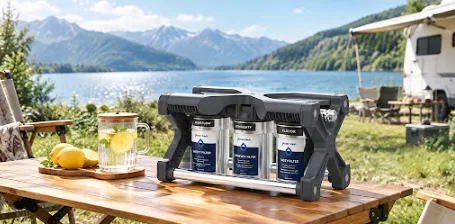
Living in a recreational vehicle (RV) offers the freedom to travel, explore new destinations, and enjoy a flexible lifestyle without giving up everyday comforts. However, limited storage space means that every piece of equipment must be practical, compact, and easy to maintain. Water quality is another important consideration for people who spend significant time on the road. Whether you are staying at a campground, traveling between cities, or enjoying a remote outdoor destination, having access to clean and fresh-tasting water can improve your experience. A space-saving RV water filtration system provides a convenient option for mobile living by helping address common water-quality concerns without unnecessarily occupying valuable storage space.
Why Space Matters in an RV Water Filtration System
RVs have limited room for appliances, supplies, kitchen equipment, and personal belongings. Large filtration units may be difficult to install in compact kitchens or small storage compartments. For full-time RV residents and frequent travelers, a smaller filtration system can help preserve space while supporting everyday water needs.
A compact rv water filter can be especially useful when it fits an existing water connection or installation area. Depending on the model, a space-saving design may connect externally to a water hose, fit beneath a sink, or integrate with selected parts of the RV’s plumbing system.
Before choosing a filter, measure the available installation area and check the manufacturer’s dimensions. Consider the space needed to replace cartridges, access connections, and perform routine maintenance. A compact design is most useful when it remains accessible and convenient to operate.
Benefits of a Compact Water Filtration System
One of the main benefits of a compact filtration system is efficient use of space. Instead of storing multiple water-treatment accessories, RV owners may be able to use a single suitable system for specific filtration needs. This can make organizing a small kitchen or utility compartment easier.
Portability is another advantage. Travelers who frequently move between campgrounds may appreciate equipment that is lightweight, easy to handle, and straightforward to connect. Depending on the design, a compact filter can be installed or disconnected without requiring major changes to the RV’s plumbing.
A suitablerv water filtration system can also help improve everyday convenience by reducing selected impurities, such as sediment or chlorine taste and odor, when the filter is designed and rated for those purposes. Better-tasting water can make drinking, preparing coffee, and cooking meals more enjoyable during long journeys.
However, a smaller filter is not automatically more effective than a larger model. Performance depends on the filter media, rated capacity, flow rate, and contaminants the system is designed to reduce.
Choosing the Right Filter for Mobile Living
Selecting the right filtration system starts with understanding your water-quality concerns. Water supplied at established campgrounds may differ from water available at rural locations or other destinations. Some supplies may have a noticeable chlorine taste, while others may contain sediment or other substances that require specialized treatment.
Inline filters are often considered by RV owners who want a straightforward, compact setup. They commonly connect to a compatible water hose and can be convenient for travelers who move regularly. Under-sink filters may be suitable for those who prefer a dedicated drinking-water connection inside the RV. Multi-stage systems can combine different filter media to address several water-quality concerns.
When comparing products, review the manufacturer’s performance specifications and look for applicable independent certifications. Check the fitting size, operating pressure, rated flow rate, and cartridge capacity before purchasing. These details help you choose a filter that meets your requirements without creating installation problems.
Improve Water Taste and Odor
Water taste and odor can vary from one campground or municipal supply to another. Chlorine is commonly used in water treatment, but its taste or smell may be noticeable to some people. A filter containing appropriately rated activated carbon can reduce chlorine taste and odor, making water more pleasant for drinking and preparing beverages.
Sediment filtration may also improve water clarity by capturing particles within its rated range. Combining different filtration methods can be useful when a system is designed to address more than one water-quality concern.
Nevertheless, improved taste and appearance do not prove that water is safe to drink. Harmful microorganisms and dissolved contaminants may not change how water looks or smells. Always use a suitable drinking-water source and select treatment methods based on the specific contaminants of concern.
Installation and Compatibility Considerations
A space-saving filtration system should work with your RV’s existing water setup. Before installation, confirm that the product’s fittings are compatible with your water hose or plumbing connections. Check the operating-pressure requirements and use appropriate pressure regulation where needed.
Also consider whether the system will be installed inside or outside the RV. External filters may need protection from damage and extreme temperatures, while internal models require enough room for cartridge replacement and inspection.
Follow the manufacturer’s installation instructions carefully. Use drinking-water-safe hoses where appropriate, secure all connections, and check for leaks before using the system. Proper installation supports reliable operation and helps prevent unnecessary water waste.
Maintenance and Long-Term Value
Compact filtration equipment still requires regular maintenance. Cartridges have a rated capacity or recommended replacement schedule, and their lifespan can vary with water quality and usage. Replacing cartridges on time helps maintain the intended filtration performance and can prevent restricted water flow.
Before purchasing, compare replacement cartridge prices and availability. A system with easily accessible replacement filters may offer better long-term convenience than one that requires specialized parts.
Inspect hoses, fittings, and filter housings for visible damage. Follow the manufacturer’s recommendations for flushing new cartridges, storing equipment, winterizing the system, and sanitizing the RV’s freshwater tank and plumbing. Regular care is especially important for RVs that remain unused for extended periods.
Conclusion
A space-saving water filtration system can be a practical addition to an RV designed for mobile living. Its compact size can help preserve valuable storage space while providing convenient filtration for everyday activities. The right system may improve water taste, reduce selected impurities, and simplify water management during road trips.
When choosing an rv water filter, consider your available space, water-quality needs, installation requirements, and ongoing maintenance costs. A properly selected rv water filtration system can support a more comfortable and organized RV lifestyle without taking up unnecessary room. With suitable equipment, regular maintenance, and responsible water practices, you can enjoy greater convenience wherever your travels take you.