Sports Dentistry for Parents – Mouthguards and Dental Emergencies
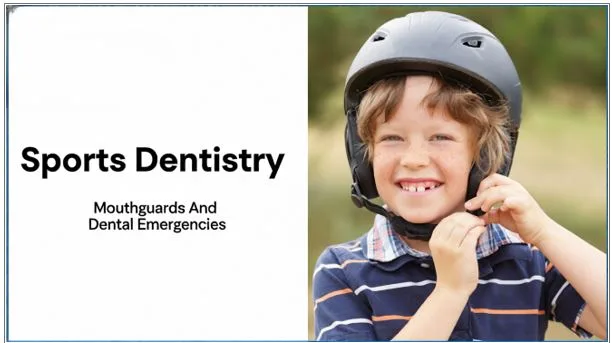
Sports help children build important skills, but a hard hit, fall, or collision can cause a concussion and dental injury. Knowing what to do when an injury occurs can help you take immediate action during an emergency.
One of the most common dental emergencies is a knocked-out permanent tooth. It should ideally be put back in the socket within 15 minutes, but it can still be saved within the first hour with immediate dental care. However, a baby tooth should not be placed back in the socket because it damages the developing permanent tooth instead of protecting it. Dental trauma is time-sensitive, so in an emergency, call Phoenix Arizona dentist.
High Risk Sports for Dental Emergencies
Dental injuries can occur in both contact and limited-contact sports. Basketball, baseball, softball, soccer, wrestling, cycling, and other recreational activities can all pose a risk of orofacial injury.
These injuries may include chipped or fractured, displaced, or knocked-out teeth, cuts to the lips or gums, and other oral injuries. The severity of the injury depends on the type of impact, making emergency dental care important when an injury occurs.
Which Sports Require Mouthguards?
Not every sport requires a mouthguard, but a properly fitted mouthguard helps protect your teeth and soft tissues from impactful damage while playing. Mouthguards are required in some organized sports, including football, lacrosse, field hockey, and ice hockey under NFHS and NCAA rules. Requirements can vary by sport, school, league, and competition level.
Basketball, soccer, baseball, softball, boxing, and wrestling may not require mouthguards for every level of play. But the American Academy of Pediatric Dentistry (AAPD) and the Academy for Sports Dentistry recommend properly fitted mouthguards for all organized sports that are associated with a risk of orofacial athletic injury.
Types of Mouthguards
When choosing a mouthguard, parents can consider the following options:
- Stock guards come in standard sizes and may not fit every child.
- Boil-and-bite guards offer a more secure fit because they can be molded according to the shape of your teeth.
- A custom mouthguard from a dentist is made for your child’s teeth and can provide a secure and comfortable fit.
Wearing a mouthguard is a smart choice as it costs much less than the cost of treating a serious dental trauma. A mouthguard only costs between $10 and $500, while replacing a permanent tooth with an implant and crown can cost around $3,000 to $6,000.
Dental Emergencies: What to Do in the First Hour?
Sports related dental injuries need to be handled carefully and quickly. Knowing how to prevent further damage and treat the injury with the right first-aid steps can help protect the tooth.
Knocked Out Tooth
In this situation, the first 30 to 60 minutes matter the most. Pick up the fallen tooth (don’t touch the roots). If dirty, wash it gently with water or milk and try to put it back in the socket. Visit a dentist as soon as possible.
Chipped, Cracked, or Broken Tooth
First, rinse your mouth with water and apply a cold compression for swelling. If possible, collect broken tooth pieces and save them in milk or saliva, and visit a dentist near you.
Soft Tissue Injury
Apply pressure to stop bleeding, and clean the area gently using a clean, damp cloth or sterile gauze. For deep cuts, get it assessed by a professional.
Jaw Injuries
In case of mild or severe injury of the temporomandibular joint (TMJ), avoid moving the jaw and seek urgent medical care, especially if your child has severe pain, difficulty breathing, or trouble opening or closing the mouth.
Final Thoughts
Wearing a properly fitted mouthguard can reduce the risk of sports-related dental injuries. But knowing what to do when an injury occurs is also important for parents, school nurses, and athletes of all ages. Visiting a dentist can help prevent the injury from getting worse.
Frequently Asked Questions
Does my child need to wear a mouthguard for sports?
It is not required for every sport, but properly fitted mouthguards are recommended for high-contact or collision sports to protect against serious injuries.
How quickly should I see a dentist after a sports-related tooth injury?
For serious injuries like a knocked-out tooth, if possible put it back in 15 minutes and see a dentist within one hour.