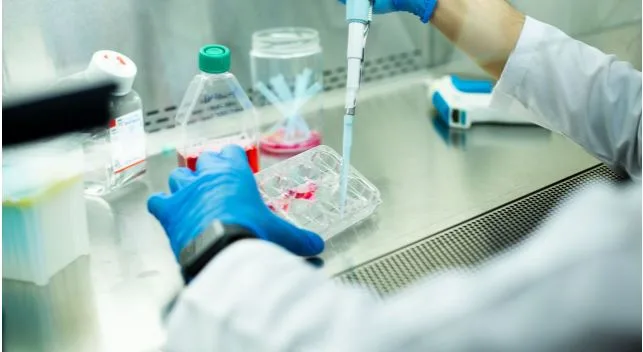
Stem Cell and Your Complete Guide to Regenerative Medicine
Stem cell therapy is revolutionizing medicine worldwide, with Turkey emerging as a leading destination for advanced stem cell treatments. This innovative approach offers hope to patients suffering from a wide range of chronic diseases and conditions, including neurological disorders, orthopedic injuries, autoimmune diseases, and degenerative illnesses. Liv Hospital is at the forefront of stem cell research and clinical applications, providing internationally accredited, personalized care that meets the highest standards of safety and effectiveness.
What Is Stem Cell Therapy?
Stem cell therapy harnesses the powerful regenerative capabilities of stem cells, unique cells capable of developing into many different cell types. These cells can repair, replace, or regenerate damaged tissues and organs. In clinical applications, stem cells are isolated from sources such as the patient’s own bone marrow, adipose (fat) tissue, or donated umbilical cord blood, then prepared and administered under strict medical protocols.
Stem cell treatments are on the rise for conditions where conventional medicine can only manage symptoms, not the underlying cause. For many patients, these therapies mean improved quality of life, restored function, and, in some cases, full recovery.
Why Is Turkey a Leader in Stem Cell Therapy?
Turkey has rapidly become a center of excellence for stem cell treatments, attracting patients from across Europe, the Middle East, Asia, and beyond. The country offers several advantages:
- Cutting-edge hospitals and research: Facilities like Liv Hospital and its Stem Cell Center offer GMP-certified laboratories, state-of-the-art technology, and internationally trained medical teams.
- Scientific innovation: Turkish clinicians and researchers are actively developing new stem cell protocols for neurological, orthopedic, cardiac, and immunological conditions.
- Affordable, patient-centered care: Treatments are competitively priced compared to Western Europe and the US, yet maintain rigorous standards.
- Medical tourism infrastructure: Comprehensive support, translation services, and seamless care pathways make the experience stress-free for international patients.
- Accreditation and safety: Leading Turkish centers are accredited by organizations such as JCI (Joint Commission International), ensuring world-class standards.
Discover more about advanced therapies and medical travel experiences at Stem Cell in Turkey.
Types of Stem Cells Used in Turkey
Turkish hospitals utilize a variety of stem cells depending on medical needs and regulatory guidance:
- Mesenchymal stem cells (MSCs): Most commonly sourced from umbilical cord tissue, bone marrow, or adipose tissue. Known for their anti-inflammatory and regenerative properties.
- Hematopoietic stem cells: Found in bone marrow and peripheral blood, these are used primarily for blood disorders and some autoimmune diseases.
- Embryonic and induced pluripotent stem cells (for research): Not used in routine clinical procedures, but are part of advanced research and protocol development.
The majority of clinical applications at centers such as Liv Hospital focus on umbilical cord and bone marrow-derived MSCs, due to their safety, versatility, and strong therapeutic potential.
Conditions Treated With Stem Cell Therapy in Turkey
Stem cell treatments in Turkey cover a broad spectrum:
1. Neurological Disorders
- Cerebral palsy: Supports neural regeneration and improves motor function
- Multiple sclerosis (MS): May slow or reverse neural damage
- Stroke recovery: Enhances brain tissue recovery and function
- Parkinson’s and spinal cord injuries
2. Orthopedic & Musculoskeletal Disorders
- Osteoarthritis and cartilage degeneration: Stimulates tissue repair, reduces pain and inflammation
- Sports injuries (ligaments, tendons, fractures): Accelerates healing, restores function
- Rheumatoid arthritis
3. Cardiac Diseases
- Chronic heart failure
- Congenital heart defects
4. Autoimmune and Hematological Diseases
- Lupus, Crohn’s, ulcerative colitis
- Leukemia and lymphoma (hematopoietic stem cell transplantation)
5. Diabetes and Metabolic Diseases
- Promotes pancreatic and vascular regeneration, may help reduce insulin dependency
6. Anti-Aging and Cosmetic Applications
- Skin rejuvenation and hair restoration protocols
Turkey’s regulatory framework ensures that treatments are based on sound scientific evidence, rigorous clinical evaluation, and patient safety.
The Stem Cell Therapy Process at Liv Hospital
Liv Hospital delivers a comprehensive stem cell program with personalized management. The journey includes:
- Patient Evaluation: Multidisciplinary team reviews medical history, clinical status, and suitability for stem cell therapy.
- Stem Cell Harvesting: Cells are prepared from the patient’s own tissues (autologous) or, in many cases, derived from donated umbilical cord blood/tissue (allogeneic).
- Laboratory Processing: GMP-certified laboratories isolate, purify, and quality-check the stem cells to ensure safety.
- Administration: Depending on the condition, stem cells may be administered intravenously, intrathecally (spinal), intra-articularly, or directly into tissues.
- Post-Treatment Monitoring: Regular follow-up, imaging, laboratory tests, and rehabilitation are included.
Supportive therapies, including physical therapy, ozone therapy, and nutrition consulting, are integrated into Liv Hospital’s care protocols.
Is Stem Cell Therapy Safe?
Turkey’s leading hospitals implement protocols that adhere to international safety standards. The use of umbilical cord-derived mesenchymal stem cells in particular shows good tolerability, with minimal risk of rejection or serious side effects. Mild discomfort at the injection site, transient fever, or headaches may occur, but long-term risks are rare when experts manage therapy.
Real-Life Improvements and Success Stories
Patients from all corners of the world travel to Turkey for stem cell therapy after exhausting conventional options. Many have experienced:
- Improved mobility and reduced pain (especially for orthopedic cases)
- Greater independence and cognitive development (neurological disorders)
- Lowered medication needs and improved blood markers (autoimmune/metabolic conditions)
- Enhanced healing and vitality (cosmetic and anti-aging applications)
Case studies and testimonials show measurable progress, especially when therapy is started early and combined with rehabilitation.
Why Choose Liv Hospital for Stem Cell Treatment in Turkey?
Liv Hospital’s Stem Cell Center delivers:
- International credentials: JCI accreditation, GMP-compliant labs
- Renowned specialists: Teamwork across neurology, orthopedics, immunology, and rehabilitation
- Comprehensive care: Individualized protocols, ongoing support, transparent pricing
- Global patient services: Multilingual support and seamless administrative processes
Liv Hospital stands out as a premier destination for stem cell therapy, blending science, safety, and human-centered care for optimal outcomes.
Planning Your Stem Cell Therapy in Turkey
- Consult with medical advisors about eligibility and expected outcomes
- Prepare medical records, diagnostic reports, and a treatment history
- Ask about supportive services (rehabilitation, travel arrangements)
- Focus on post-treatment follow-up; it’s essential for lasting benefits
Health tourism in Turkey is streamlined by experienced coordinators who are dedicated to every aspect of the patient experience.
Conclusion: Discover New Possibilities With Stem Cell Therapy in Turkey
Stem cell therapy is opening new frontiers in modern medicine, offering transformative possibilities for the treatment of chronic and complex diseases. With world-renowned hospitals, multidisciplinary expertise, and patient-focused care, Turkey and Liv Hospital are leading the global regenerative medicine field.
Explore the full range of services and support you need at Liv Hospital’s Stem Cell Center for the safest, most effective treatment journey.
Multiple Sclerosis (MS) and Stem Cell Therapy: A Complete Guide
Multiple sclerosis (MS) is a chronic neurological condition that affects millions of people worldwide. It arises when the immune system mistakenly attacks the protective myelin sheath surrounding nerve fibers in the brain and spinal cord. This damage disrupts communication between the brain and other parts of the body, causing a wide range of physical, sensory, and cognitive symptoms. Although there is no definitive cure, recent innovations, particularly stem cell therapy, have shown great promise in improving quality of life and slowing disease progression. Liv Hospital is one of the pioneering medical institutions offering advanced, evidence-based stem cell therapies for MS patients, integrating regenerative medicine with comprehensive neurological care.
Understanding Multiple Sclerosis (MS)
MS is classified as an autoimmune disease where the immune system misidentifies the body’s own nervous tissue as foreign and initiates an attack. The resulting inflammation damages myelin, the fatty layer that insulates nerve fibers, leading to scar tissue (sclerosis) and disrupted neural signaling. Depending on the site and extent of damage, patients experience symptoms that may come and go or progressively worsen.
Common Symptoms of MS
- Muscle weakness or numbness
- Fatigue and dizziness
- Loss of balance and coordination
- Blurred or double vision
- Spasticity (muscle stiffness)
- Cognitive difficulties (memory, attention)
- Speech or swallowing problems
- Bladder and bowel dysfunction
Types of MS
- Relapsing-Remitting MS (RRMS): The most common form, with flare-ups followed by partial or complete recoveries.
- Secondary Progressive MS (SPMS): Initially relapsing-remitting, then transitions into gradual worsening.
- Primary Progressive MS (PPMS): Steady progression from onset without relapses.
- Progressive-Relapsing MS (PRMS): A rarer type combining consistent progression with episodes of relapse.
Conventional MS Treatments
Traditional therapies aim to slow disease progression, control relapses, and manage symptoms. These include:
- Disease-modifying therapies (DMTs): Medications such as interferon beta, natalizumab, or fingolimod reduce relapse frequency and inflammation.
- Corticosteroids: Used during acute relapses to reduce inflammation.
- Physiotherapy and occupational therapy: Maintain mobility and independence.
- Lifestyle interventions —nutrition, rehabilitation, and exercise — reduce fatigue and improve function.
However, DMTs and other supportive treatments do not repair neural damage or restore lost neurological function, which is why research into regenerative therapies such as stem cell therapy has gained significant momentum.
What Is Stem Cell Therapy for Multiple Sclerosis?
Stem cell therapy represents a novel approach that focuses on restoring, regenerating, or protecting damaged nervous tissue. Unlike conventional drugs that target inflammation alone, stem cells target both immune system dysfunction and neural tissue repair.
Stem cells have unique properties; they can differentiate into various cell types and help repair and replace damaged cells. In MS, stem cell therapy can potentially:
- Reset or modulate the immune system to stop further myelin attacks.
- Promote regeneration of myelin and neural tissue.
- Reduce inflammation and oxidative stress in the central nervous system (CNS).
- Improve overall neurological function and slow or halt disease progression.
Liv Hospital applies stem cell therapies in accordance with strict scientific and ethical guidelines, using advanced cell-processing laboratories that meet international standards.
Types of Stem Cell Therapies Used in MS
There are two primary types of stem cell therapies currently investigated and applied for multiple sclerosis:
1. Hematopoietic Stem Cell Transplantation (HSCT)
HSCT involves using the patient’s own hematopoietic (blood-forming) stem cells to reset the immune system. The patient’s immune system is first suppressed using chemotherapy to eliminate autoreactive immune cells, followed by stem cell transplantation to rebuild a new, tolerant immune system.
Research Highlights:
- A comprehensive study of 507 MS patients treated with autologous HSCT reported a 5-year survival rate of 98.8% and a significant reduction in relapses and disability symptoms.
- Multiple studies demonstrated that HSCT prevented new lesion development on MRI and halted the progression of disability in the majority of participants.
HSCT is particularly effective for highly active relapsing-remitting MS (RRMS) patients who do not respond well to conventional DMTs.
2. Mesenchymal Stem Cell Therapy (MSC)
Mesenchymal stem cells (MSCs), typically derived from bone marrow, adipose tissue, or umbilical cord, are known for their neuroprotective, anti-inflammatory, and immunomodulatory effects. Unlike HSCT, MSC therapy does not require chemotherapy.
Key Findings:
- Clinical trials show that MSC therapy can reduce brain inflammation and promote neural repair in both RRMS and progressive MS.
- In patients with progressive MS, intrathecal (spinal) administration of MSCs led to improvements in neurological function and stabilization in disease progression.
- MRI analyses show reduced lesion volume and decreased neurofilament light chain levels (a biomarker of neural damage) after MSC therapy.
These findings indicate that stem cell therapy may enhance neuroplasticity and help protect neurons from immune-mediated damage.
How Does Stem Cell Therapy Work in MS?
Stem cell therapy aims to both reboot immune regulation and allow nerve tissue repair.
Mechanisms of Action:
- Immune Reset: HSCT eliminates auto-reactive immune cells and regenerates new, self-tolerant immune cells.
- Immunomodulation: MSCs release signaling molecules that suppress overactive immune responses and promote regulatory T-cell populations.
- Tissue Repair: Stem cells promote remyelination by differentiating into oligodendrocyte-like cells.
- Neuroprotection: Reduction in biomarkers such as neurofilament light chain (NF-L) illustrates decreased nerve injury.
- Inflammation Control: MSCs inhibit proinflammatory cytokines (IL-2, IL-6, TNF-α) and increase anti-inflammatory factors (IL-10, TGF-β).
These combined effects result in less disease activity, fewer relapses, and improved overall function.
Stem Cell Therapy Procedure at Liv Hospital
The Stem Cell Therapy Center at Liv Hospital tailors each treatment plan to the patient’s clinical status, MS type, and disease progression stage. The process includes:
- Comprehensive Evaluation: Neurological and clinical assessment to determine eligibility.
- Stem Cell Harvesting: MSCs are isolated from bone marrow or umbilical cord tissue using advanced purification techniques.
- Processing: Cells are expanded and prepared in a GMP-certified (Good Manufacturing Practice) laboratory.
- Administration: Depending on medical indication, stem cells may be administered intravenously or intrathecally (into the spinal fluid).
- Rehabilitation and Follow-Up: Personalized physiotherapy, medication adjustments, and imaging follow-ups are provided.
Throughout this journey, Liv Hospital’s multidisciplinary team, including neurologists, immunologists, and rehabilitation specialists, works collaboratively to optimize outcomes.
Safety and Side Effects
Stem cell therapy at accredited centers like Liv Hospital is monitored and conducted in accordance with strict ethical guidelines, ensuring patient safety.
- HSCT Risks: Temporary immunosuppression increases infection risk, requiring experienced clinical management.
- MSC Therapy: Common mild symptoms include headache, fatigue, or injection-site soreness, resolving within days.
- No significant long-term adverse effects have been reported with MSC therapy in clinical trials.
Stringent quality controls enhance safety during stem cell harvesting and application.
Patient Outcomes and Clinical Benefits
The results of multiple clinical trials and real-world experiences point to remarkable potential:
- Reduction in relapse rates: Most patients with RRMS exhibit fewer disease relapses post-HSCT or MSC therapy.
- Improved functional outcomes: Around 90–95% of patients experience stabilization or improvement in their Expanded Disability Status Scale (EDSS) score following treatment.
- Enhanced MRI outcomes: Fewer new lesions and reduced active inflammation in brain and spinal scans.
- Improved cognitive and physical performance: Better memory, endurance, and movement coordination.
- Long-term remission: Many patients experience no new disease activity for several years after treatment.
These improvements translate into better independence, less fatigue, and improved emotional well-being.
Why Choose Liv Hospital for MS Stem Cell Treatment?
Liv Hospital is recognized internationally for excellence in regenerative medicine and advanced neurology care. The hospital’s Stem Cell Therapy Center provides comprehensive, research-backed programs for MS and other neurodegenerative diseases.
Key Advantages:
- JCI-accredited facility guaranteeing global standards.
- GMP-certified laboratories for stem cell preparation
- Multidisciplinary medical teams combining neurology, immunology, and regenerative therapy expertise
- Personalized care and continuous patient monitoring
- Commitment to ongoing research in neurological stem cell applications
Liv Hospital continues to lead in clinical innovation, offering hope for patients seeking advanced therapies in Turkey and beyond.
Looking Ahead: The Future of Stem Cell Research in MS
The science surrounding stem cell therapy for MS is rapidly advancing. Current studies focus on optimizing stem cell types, dosages, and delivery routes to enhance neuroregeneration and durability of remission. Combination therapies linking stem cells with neurorehabilitation, gene therapy, or biologics may further expand treatment success.
Emerging data indicate that mesenchymal stem cells may also play roles in immune memory reprogramming, paving the way for truly curative applications in the near future.
With continued breakthroughs in regenerative medicine, patients with multiple sclerosis now have more options and more hope than ever before.
Conclusion
Stem cell therapy marks a transformative chapter in the management of multiple sclerosis. By addressing the root causes of immune dysfunction and neuronal damage, it has the potential not only to slow MS but also to restore lost function and independence. At Liv Hospital, the combination of advanced medical technology, ethical practices, and a compassionate, multidisciplinary team makes it a leading choice for patients worldwide seeking regenerative treatment solutions.
If you or a loved one is living with MS, consulting Liv Hospital’s specialists may be the first step toward rebuilding a healthier, more active future.
Regenerative Medicine and Stem Cell Center: A Complete Guide
Regenerative medicine and stem cell therapies are transforming healthcare by offering new solutions for diseases and injuries once considered irreversible. These innovative treatments rely on the remarkable self-renewal and differentiation abilities of stem cells to repair or replace damaged tissues, restore function, and modulate immune responses. At the forefront of this field is the Regenerative Medicine and Stem Cell Center at Liv Hospital, delivering evidence-based treatments and compassionate care for patients seeking advanced options.
What is Regenerative Medicine?
Regenerative medicine is an interdisciplinary branch of medical science that focuses on restoring, repairing, or replacing dysfunctional tissues and organs. Unlike traditional medicine, which often manages symptoms, regenerative therapies aim to address the root cause by triggering the body’s own healing mechanisms.
The core pillars of regenerative medicine include:
- Tissue engineering: Creating biological substitutes to repair or replace damaged tissues.
- Cellular therapies: Using stem cells or growth factors to stimulate the repair and regeneration of tissues.
- Medical devices and artificial organs: Innovative devices that temporarily or permanently replace organ function.
These approaches are driven by cross-disciplinary collaboration between biologists, physicians, engineers, chemists, and geneticists.
Understanding Stem Cell Therapy
Stem cells are unique cells with two essential properties: the ability to self-renew (replicate themselves) and differentiate into specialized cell types (such as muscle, nerve, or bone cells). This versatility makes them powerful tools in regenerative medicine for treating a wide range of medical conditions.
Types of Stem Cells Used
- Embryonic stem cells: Highly pluripotent, but with ethical concerns and limited routine use.
- Adult (somatic) stem cells: Most widely used in clinical therapies, especially mesenchymal stem cells (MSCs) derived from bone marrow, adipose tissue, or umbilical cord tissue.
- Induced pluripotent stem cells (iPSCs): Adult cells reprogrammed to an embryonic-like state; important for research and future therapies.
At Liv Hospital’s Regenerative Medicine and Stem Cell Center, a focus is placed on adult mesenchymal stem cells (especially from umbilical cord and bone marrow), due to their safety, effectiveness, and regulatory approval.
How Does Stem Cell Therapy Work?
Stem cell therapy is customized to the patient’s needs and medical condition:
- Harvesting: Stem cells are collected from bone marrow, adipose tissue, or donated umbilical cord tissue.
- Processing: Cells are purified, tested for quality, and expanded if needed in a GMP-certified laboratory for safety.
- Administration: Stem cells can be delivered intravenously, intrathecally (for neurological diseases), or locally (in joints or tissues), depending on the problem.
Once administered, stem cells pursue several mechanisms of action:
- Tissue regeneration: Replace, repair, or regenerate damaged tissue by differentiating into needed cell types, like neurons or cartilage.
- Immunomodulation: MSCs can modulate or reset the immune system, making them valuable for the treatment of autoimmune diseases.
- Anti-inflammatory effects: Stem cells release anti-inflammatory factors that reduce chronic inflammation and pain.
- Enhancing healing: Paracrine signaling (cell-to-cell communication) stimulates the body’s own cells to repair tissue damage.
What Conditions Does the Center Treat?
The Regenerative Medicine and Stem Cell Center treats a broad spectrum of conditions where traditional treatments may have limited success:
Neurological Disorders
- Multiple sclerosis (MS)
- Cerebral palsy
- Stroke recovery
- Parkinson’s disease
Orthopedic & Musculoskeletal Conditions
- Osteoarthritis
- Sports injuries
- Cartilage, tendon, and ligament repair
Autoimmune and Inflammatory Diseases
- Rheumatoid arthritis
- Lupus (SLE)
- Crohn’s disease
Cardiac & Vascular Disorders
- Chronic heart failure
- Peripheral artery disease
Other Indications
- Diabetes and complications
- Liver and kidney diseases
- Anti-aging and cosmetic applications
Why Choose Liv Hospital’s Regenerative Medicine and Stem Cell Center?
1. International Standards and Safety
Liv Hospital is JCI-accredited, ensuring adherence to the highest global standards of safety and patient care. Its Regenerative Medicine and Stem Cell Center features GMP-compliant laboratories and highly skilled medical teams seasoned in cellular therapies and transplantation.
2. Personalized, Evidence-Based Care
Each patient receives a tailored protocol designed to maximize safety and clinical benefit. The center utilizes cutting-edge diagnostics and combines stem cell therapy with supportive rehabilitation, nutrition, and ongoing patient education to achieve the best possible outcome.
3. Research and Innovation
Liv Hospital is committed to scientific progress, participating in clinical research and adhering to ethical guidelines to ensure the latest evidence and regulatory requirements support therapies.
4. Comprehensive, Multidisciplinary Approach
A network of neurologists, cardiologists, orthopedists, immunologists, and rehabilitation specialists collaborates to provide holistic care throughout the treatment journey.
5. Support for International Patients
Global patients benefit from multilingual services, streamlined planning, and transparent communication throughout their entire treatment experience. The hospital staff supports every step, from consultation to follow-up and rehabilitation.
Discover more about regenerative treatments at the dedicated Regenerative Medicine and Stem Cell Center, where advanced clinical practice meets compassionate care.
Risks and Considerations
While stem cell therapy is safe and promising when performed in regulated environments, it is essential to recognize that:
- Most therapies are still considered experimental and may not be fully approved for every indication.
- Not all patients are candidates; careful screening and eligibility determination are vital.
- Side effects are generally mild (e.g., local discomfort, fatigue), but rare complications can occur if untrained professionals perform the procedures.
Patients should always seek reputable centers and experienced clinicians such as those at Liv Hospital to maximize benefits and minimize risk.
Looking Ahead: The Future of Regenerative Medicine
Research into stem cell therapies is ongoing, with new studies constantly expanding the possible indications from regenerative orthopedics and neurology to cardiac and autoimmune disorders. As these therapies progress through clinical stages, strict regulation, and collaboration between research and clinical centers, patients will continue to benefit from safer, more effective medical solutions in the years ahead.
Conclusion
The Regenerative Medicine and Stem Cell Center at Liv Hospital stands at the intersection of science, compassion, and cutting-edge care. By focusing on cellular healing and offering personalized protocols for each patient, the center is poised to help shape the future of medicine in Turkey and beyond. Whether you are a patient with a chronic disease or seeking to understand regenerative care options, Liv Hospital’s experienced team is prepared to guide you on your journey to recovery and improved quality of life.
Stem Cell Applications in Aesthetic and Plastic Surgery: A Complete Guide
In recent years, stem cell therapy has become one of the most exciting innovations in modern medicine, especially in the fields of aesthetic and reconstructive surgery. The ability of stem cells to promote regeneration, repair damaged tissue, and rejuvenate aging skin has made them a crucial part of both medical and cosmetic procedures. In Turkey, Liv Hospital has established itself as a leading institution applying stem cell-based treatments, providing advanced clinical care while ensuring patient safety and long-term success.
What Is Stem Cell Therapy in Aesthetic Surgery?
Stem cell therapy in aesthetics refers to the use of the body’s own regenerative cells to restore youthfulness, heal tissues, and improve the appearance of the skin and body. In Plastic Reconstructive and Aesthetic Surgery, applications can be divided into two primary categories:
- Aesthetic and Anti-Aging Treatments: These aim to rejuvenate skin, restore lost volume, and enhance natural beauty.
- Wound and Tissue Repair: Stem cells are used to accelerate healing in challenging cases such as chronic wounds, burns, or tissues affected by radiation or trauma.
The two approaches share the same foundation, harnessing the regenerative potential of stem cells to trigger healing and rejuvenation.
How Do Stem Cells Work in Aesthetic Medicine?
Stem cells are undifferentiated cells that can differentiate into specialized cells (such as skin, muscle, or fat cells). When applied to damaged or aging tissues, they stimulate natural healing, improve blood circulation, boost collagen production, and trigger the growth of new, healthy cells.
Mechanisms of Action:
- Tissue Regeneration: Stem cells replace damaged or dead cells.
- Angiogenesis Stimulation: Improves blood supply and oxygenation in the treated area.
- Collagen and Elasticity Enhancement: Natural increase in collagen leads to firmer, smoother skin.
- Immunomodulation: Reduces inflammation and encourages the body’s repair mechanisms.
These properties make stem cells extremely valuable for both reconstructive and cosmetic purposes.
Types of Stem Cells Used in Plastic and Aesthetic Surgery
Most clinical applications focus on mesenchymal stem cells (MSCs), a versatile cell population found in multiple tissues. The primary sources include:
- Adipose-derived stem cells (ADSCs): Extracted from the patient’s own fat tissue. Rich in regenerative potential and widely used in facial rejuvenation and fat grafting procedures.
- Bone marrow-derived stem cells (BMSCs): Traditionally used in regenerative medicine and effective for tissue repair.
- Umbilical cord stem cells: Considered potent allogeneic cells used in specialized regenerative procedures.
Among these, adipose-derived stem cells are the most commonly used in cosmetic surgery because they are easy to obtain through liposuction, abundant, and safe for use in autologous procedures (using the patient’s own tissue).
Common Applications of Stem Cells in Aesthetic and Plastic Surgery
1. Facial Rejuvenation and Anti-Aging Applications
Aging leads to reduced collagen production, loss of skin elasticity, and volume depletion. Traditional methods such as dermal fillers and Botox provide temporary results. Stem cell-based fat grafting, however, offers a more natural and long-term solution.
- Stem cell-enriched fat injections: Fat tissue collected from the patient is processed to isolate stem cells and then re-injected into areas like the face, neck, or hands. This approach provides smoother skin, restores volume, and improves skin tone and elasticity.
- Fine wrinkle and scar reduction: The growth factors secreted by stem cells encourage tissue regeneration, diminishing fine lines and acne scars.
- Improved skin texture and brightness: Regeneration leads to hydration and overall rejuvenation.
2. Breast Augmentation and Reconstruction
Following mastectomy or as an alternative to silicone implants, stem cell-based fat transfer provides a more natural contour.
According to clinical findings, stem cell-enriched grafts enhance fat tissue survival and improve aesthetic outcomes after reconstruction, offering better long-term stability and texture than synthetic materials.
3. Wound Healing and Tissue Repair
Stem cells are now being used to treat chronic, non-healing wounds such as pressure ulcers, diabetic ulcers, and radiation-induced skin injuries. Their ability to stimulate angiogenesis and tissue growth encourages new capillary formation, faster closure, and scar reduction.
At Liv Hospital, clinicians have successfully applied stem cell-based therapies for patients suffering from radiation damage and trauma-related wounds, achieving remarkable healing results compared to conventional methodologies.
4. Scar and Burn Treatment
In reconstructive surgery, stem cells play a crucial role in improving burn recovery and minimizing scar tissue.
- By improving vascularization and collagen formation, they help regenerate smoother, healthier skin.
- Fat grafting with stem cell enrichment softens firm, irregular scars, restoring flexibility and aesthetics.
5. Hair Restoration
Stem cells also show significant promise in hair restoration. By stimulating dormant follicles and improving scalp microcirculation, stem cell-enriched PRP (platelet-rich plasma) can increase hair density and thickness.
6. Body Contouring and Fat Grafting
Stem cell-assisted fat transfer ensures better cell survival post-transplantation, yielding more predictable and durable results in procedures such as:
- Buttock and hip contouring
- Hand rejuvenation
- Post-trauma tissue reconstruction
Advantages of Stem Cell Applications in Aesthetic Procedures
- Natural and Long-Lasting Results: Because the cells come from the patient’s own body, there is minimal risk of rejection or allergic reaction. Results are natural, gradual, and lasting.
- Double Benefit of Volume and Regeneration: When combined with fat grafting, stem cells both replace lost volume and stimulate new tissue growth.
- Improved Healing After Surgery: Reduced scar formation and accelerated recovery times.
- Biocompatibility: No foreign material, reducing the risk of inflammation.
- Minimal Invasiveness: Usually performed with local anesthesia and minimal downtime.
Stem Cell vs. Conventional Aesthetic Treatments
| Feature | Conventional Treatments (Fillers/Botox) | Stem Cell Therapy |
| Longevity | Temporary (6–12 months) | Long-term (years) |
| Composition | Synthetic materials | Natural body tissue |
| Regenerative Effect | None | Promotes regeneration |
| Allergic Reactions | Possible | Minimal risk |
| Aesthetic Outcome | Fast but artificial | Gradual and natural |
Clinical Research and Global Evidence
Recent research supports the growing role of mesenchymal and adipose-derived stem cells in aesthetic medicine. Studies have demonstrated improvements in wound healing, skin smoothness, and graft survival when stem cells are combined with platelet-rich plasma or scaffold technology.
A systematic review published in 2024 emphasized that stem cell treatments enhance aesthetic and reconstructive outcomes by fostering tissue regeneration, reducing scarring, and prolonging graft lifespan. These therapies continue to evolve as safer, standardized clinical protocols are developed.
Why Choose Liv Hospital for Stem Cell Applications in Aesthetic and Plastic Surgery?
Liv Hospital is a pioneer in regenerative therapies, offering safe and scientifically validated treatments through its specialized Stem Cell and Regenerative Medicine Center. The hospital provides both medical and aesthetic services in accordance with international standards.
Highlights of Liv Hospital’s Approach:
- JCI Accreditation: International recognition for clinical quality and patient safety.
- Advanced GMP Laboratories: Ensuring the purity, potency, and quality of each stem cell product.
- Multidisciplinary Expertise: Surgeons, regenerative medicine specialists, dermatologists, and tissue engineers collaborate to design individualized treatment plans.
- Proven Success: Liv Hospital’s clinical experience includes both reconstructive and cosmetic indications with documented improvements in patient satisfaction and safety.
- Ethical and Transparent Care: Every procedure follows rigorous ethical guidelines and informed consent processes.
Liv Hospital’s stem cell-based aesthetic applications include facial rejuvenation, wound repair, breast reconstruction, and scar revision, all designed to achieve both functional recovery and natural aesthetics.
Safety and Recovery
Because stem cell therapy at Liv Hospital uses the patient’s own tissue (autologous sources), allergic reactions or immune rejection are infrequent. The procedures are performed in a sterile, controlled environment, minimizing postoperative risks.
Most patients notice visible improvements in skin tone and elasticity within weeks, with continued enhancement over several months as new tissue regenerates.
Post-treatment care includes avoiding direct sun exposure, using gentle skincare, and following the physician’s personalized recommendations for lasting results.
The Future of Stem Cell Applications in Aesthetic and Plastic Surgery
As medical research advances, stem cell treatments are set to redefine the boundaries of aesthetic medicine. Emerging studies are exploring:
- 3D bioprinting and scaffolds: To create structured tissue for personalized reconstruction.
- Cell-free therapies: Using exosomes and growth factors derived from stem cells, providing similar benefits without full cell transplants.
- Hybrid treatments: Combining stem cells with platelet-rich plasma (PRP) or laser technologies for enhanced skin rejuvenation.
- AI-Driven Treatment Personalization: Technology will soon predict optimal stem cell quantities and protocols for each patient.
With ongoing advancements, stem cell therapy promises to become the foundation of regenerative aesthetics, offering natural, long-lasting rejuvenation without invasive surgery.
Life-Changing Outcomes
Stem cell applications in aesthetic and plastic surgery represent a powerful synergy between science and artistry. By accelerating tissue healing, promoting skin regeneration, and providing natural rejuvenation, stem cell therapy is redefining beauty and recovery. At Liv Hospital, these cutting-edge therapies are delivered under expert supervision, combining innovation, ethics, and safety. Whether for anti-aging treatments, scar repair, or reconstructive surgery, stem cell applications continue to empower both patients and surgeons to achieve truly life-changing outcomes.