Storm-Ready Roofs: A Connecticut Homeowner’s Guide to Protecting, Inspecting, and Repairing Your Roof
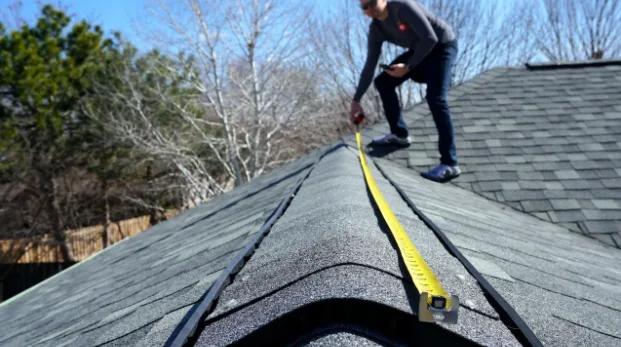
Few states put roofs through as much as Connecticut does. In a single year, a home here can face summer thunderstorms and hail, the remnants of a tropical storm, nor’easters that can arrive anytime from early fall to late spring, and weeks of heavy snow and ice.
You can’t control the weather, but you can control how ready your roof is when it arrives. The roofs that come through storms best are almost always the ones that were in good shape beforehand. Here’s why your roof’s condition matters, how to prepare it, what to do if a storm causes damage, and how to find help you can trust.
Why your roof’s condition matters more than the storm itself
Strong wind and heavy rain look for weak spots. A single loose shingle, a cracked seal around a vent, or a section of worn flashing can be all it takes for water to get inside. Once it does, the damage rarely stays on the roof. It spreads into the attic, insulation, ceilings and walls.
A roof’s condition also shapes what happens after a storm. Homeowners insurance generally covers sudden damage from events like wind, hail and falling trees, but not problems caused by age, wear, or neglect. If an adjuster decides the damage was already there, a claim can be reduced or denied. Many insurers also look closely at roof age and condition when deciding whether to issue or renew a policy, so a tired roof can cause trouble even before the next storm hits.
The math is simple. A routine inspection and a few small repairs cost far less than an emergency fix, a soaked attic and a ruined ceiling.
The four kinds of Connecticut weather that are hardest on roofs
Summer thunderstorms and hail. Hail can bruise and crack shingles and knock off the protective granules that shield them from the sun. Strong storm winds also bring down branches and limbs.
Hurricanes and tropical storm remnants. Even when a storm has weakened by the time it reaches Connecticut, it can still bring damaging winds, wind-driven rain, and widespread fallen trees.
Nor’easters. These storms tend to last longer than a passing thunderstorm, bringing hours or even days of wind and rain. Along the shoreline, salt air adds extra wear on roofing materials and metal flashing.
Winter snow and ice. Heavy snow adds serious weight, and repeated freezing and thawing loosens and cracks materials over time. Ice dams, ridges of ice that form along the roof edge, can force melting water back up under shingles and into the home.
Where you live makes a difference too. Shoreline homes take more wind and salt exposure, while inland and hilltop homes often deal with heavier snow loads.
Warning signs your roof isn’t storm-ready
Walk around your home and look up, then take a look in the attic. These are the signs worth acting on:
- Missing, curling, cracked, or loose shingles
- Granules building up in gutters or at the bottom of downspouts
- Rusted, bent, or lifted flashing around chimneys, vents, and skylights
- Sagging areas along the roofline
- Daylight showing through the attic boards
- Water stains on ceilings or damp, compressed insulation
- Clogged gutters or branches hanging over the roof
- A roof that’s 15 to 20 years old or more
One sign on its own doesn’t always mean a major problem, but several together are a strong hint that your roof needs attention before the next big storm.
How to prepare your roof before storm season
A little preparation goes a long way:
- Schedule inspections in spring and fall. Fall matters most, because it’s your last good chance to fix problems before snow, ice and nor’easter season.
- Clean gutters and downspouts. Clogged gutters send water where it shouldn’t go and help ice dams form.
- Trim overhanging branches. Limbs that touch or hang over the roof are among the most common causes of storm damage.
- Fix small problems quickly. A loose shingle or cracked seal is a minor repair today and a major leak after the next storm.
- Check attic insulation and ventilation. A well-insulated, well-ventilated attic keeps the roof surface cold, which is one of the best defenses against ice dams.
- Take “before” photos. Clear photos of your roof in good condition can make a future insurance claim much easier.
- Review your insurance policy. Know your deductible and whether your policy has a separate deductible for wind or hurricane damage.
What to do after a storm damages your roof
Stay safe first
Don’t climb onto a wet, icy, or damaged roof. Keep clear of downed power lines and report them to your utility right away. Most damage can be spotted from the ground with a pair of binoculars.
Document everything
Photograph the roof from several angles, along with any debris in the yard, the attic, and any water stains or leaks inside. Write down the date of the storm. Keep any damaged shingles or materials that came off the roof.
Prevent further damage
If water is getting in, arrange for emergency tarping as soon as possible, move belongings away from the leak, and catch dripping water. Most insurance policies expect homeowners to take reasonable steps to limit additional damage, and waiting can make both the repair and the claim harder.
Contact your insurer promptly
Report the damage quickly. Delays can complicate a claim, especially if more damage appears in the meantime.
Get a professional inspection
Have a qualified roofer inspect the damage, ideally before the insurance adjuster visits. A roofer knows where to look for damage that’s easy to miss and can help make sure the full extent of the problem is recorded.
The damage you can’t see
Not all storm damage is obvious. Wind-driven rain can work its way under shingles without leaving a visible trace. Hail bruising is often impossible to spot from the ground. A small leak can drip into attic insulation for weeks before a stain shows up on a ceiling, and by then mold or rot may already be setting in.
That’s why a follow-up inspection a few weeks after a major storm is worth it, even if everything looked fine the next morning. Hidden damage caught early is far cheaper to fix than damage found months later.
Repair or replace? How to decide after storm damage
Not every damaged roof needs to be replaced, and not every repair is worth making. A few factors usually decide it:
- How much damage there is, and where. Damage limited to one section can often be repaired. Widespread damage across several slopes may point toward replacement.
- The roof’s age. Patching a roof near the end of its life can mean paying for repairs now and a replacement soon after.
- What insurance will cover. Your claim may cover repair or replacement depending on the cause and extent of the damage.
- Your future plans. If you plan to sell, or to add solar panels, a roof with plenty of life left is a better foundation.
If your home already has solar panels, plan ahead before any roof work. Panels usually need to be carefully removed and reinstalled, and the system should be checked afterward to make sure it’s working properly. Coordinating with a trusted solar company in Connecticut helps protect both your roof and your solar investment.
A note for business and property owners
Commercial buildings face many of the same threats, often on a larger scale. Flat and low-slope roofs common on offices, warehouses and retail spaces can collect standing water and heavy snow, and blocked drains can quickly turn into leaks or structural strain. Rooftop equipment such as HVAC units also creates extra seams and openings that need regular attention.
Because a roof problem on a commercial property can disrupt operations, damage inventory, and affect tenants, routine inspections and fast storm response matter even more. Working with experienced commercial roofing services in Connecticut helps keep small problems from turning into costly shutdowns.
How to hire a roofer you can trust after a storm
After a big storm, roofing offers can show up fast, and not all of them come from legitimate businesses. Connecticut has strong protections for homeowners, and knowing them is the best way to avoid a costly mistake.
- Check the registration. In Connecticut, roofers must be registered with the Department of Consumer Protection as home improvement contractors. You can verify a contractor’s registration through the state’s online license lookup.
- Get it in writing. Home improvement work requires a written, signed contract that includes the contractor’s registration number, a description of the work, and start and completion dates. Homeowners generally have three business days to cancel.
- Choose registered contractors. Hiring a registered contractor may make you eligible for the state’s guaranty fund, which can help homeowners recover money if a job goes wrong.
Watch for these storm-chaser red flags:
- Door-to-door offers right after a storm
- Pressure to sign a contract on the spot
- Requests for large payments up front, especially in cash
- No local address, or no registration number on the contract or truck
- Promises of a “free roof” before anyone has inspected the damage
A reputable local roofer will give you time to make a decision, put everything in writing, and still be around long after the storm has passed.
A simple year-round roof care routine
Spring: Get an inspection after winter. Look for damage from snow, ice, and freeze-thaw cycles.
Summer: Check the roof after hailstorms and severe thunderstorms. Trim branches while trees are in full leaf and easy to judge.
Fall: Clean gutters once the leaves are down and schedule a full inspection before winter arrives.
Winter: Watch for ice dams and large icicles along the roof edge. Clear heavy snow safely from the ground with a roof rake, and check the attic for signs of leaks.
The bottom line
Storms are a fact of life in Connecticut, but serious roof damage doesn’t have to be. A roof that’s inspected regularly, maintained well, and repaired quickly is far more likely to come through the next nor’easter, hailstorm, or blizzard with nothing more than a few leaves in the gutters.
The best time to find out how storm-ready your roof is comes before the next storm, not after it. If it’s been a while since your last inspection, reliable residential roofing services and repair in Connecticut can show you exactly where your roof stands and what it needs to stay protected all year.