Structured Wiring Installation to Boost Network Performance
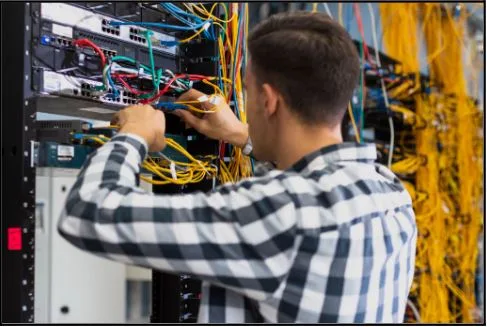
In a world where digital speed defines business success, network performance is no longer optional—it’s critical. From seamless video calls to real-time data transfers, every operation depends on a stable and efficient network. Yet, many organizations struggle with slow connectivity and frequent disruptions due to poor cabling systems.
This is where structured wiring installation becomes a game-changer. It creates a strong, organized backbone for your network, enabling consistent performance, easy scalability, and long-term reliability.
What Is Structured Wiring Installation?
Structured wiring installation is a standardized approach to designing and implementing a unified cabling system that supports multiple technologies within a building or campus.
Instead of using scattered, point-to-point connections, this system integrates all network components into a streamlined infrastructure.
Key Applications Include:
- Data and internet connectivity
- Voice communication systems
- Security and surveillance
- Audio/video distribution
- Wireless networks
This structured approach ensures everything works together efficiently without unnecessary complexity.
Why Network Performance Depends on Proper Wiring
A network is only as strong as its foundation. Poor cabling leads to inefficiencies that directly impact business operations.
Common Issues with Unstructured Cabling:
- Frequent network downtime
- Slow data transfer speeds
- Signal interference
- Complicated troubleshooting
- Limited expansion capability
Structured wiring eliminates these issues by providing a clean, organized, and high-performance system.
How Structured Wiring Improves Network Performance
1. Faster Data Transmission
Structured cabling systems are designed to reduce signal interference and maintain data integrity. This results in faster and more reliable communication across devices.
Benefits include:
- Reduced latency
- Smooth video conferencing
- Faster cloud access
- Improved user experience
Studies suggest that optimized cabling infrastructure can enhance network efficiency by up to 30% in high-demand environments.
- Improved Reliability and Stability
Network disruptions can cost businesses both time and money. Structured wiring ensures consistent performance by minimizing points of failure.
Key Advantages:
- Stable connectivity across all devices
- Reduced risk of cable damage
- Better resistance to environmental interference
A reliable network means fewer interruptions and higher productivity.
- Easier Troubleshooting and Maintenance
When cables are disorganized, identifying issues becomes a challenge. Structured systems simplify maintenance through clear labeling and logical design.
This Leads To:
- Faster fault detection
- Reduced repair time
- Lower maintenance costs
Technicians can quickly identify and resolve problems without disrupting the entire network.
- Scalability for Growing Businesses
As organizations expand, their network requirements evolve. Structured wiring supports easy upgrades without major disruptions.
Scalable Features:
- Modular design
- Flexible expansion options
- Compatibility with new technologies
This ensures your infrastructure grows alongside your business.
Key Components of a Structured Wiring System
Understanding the core elements helps in building a high-performance network.
Horizontal Cabling
Connects workstations to network rooms, forming the primary layer of connectivity.
Backbone Cabling
Links different floors or buildings, ensuring seamless communication across large spaces.
Patch Panels and Switches
Centralized hubs that organize and manage network connections efficiently.
Work Area Components
Includes outlets, connectors, and cables used by end devices.
Each component plays a vital role in maintaining performance and organization.
Structured Wiring vs Traditional Cabling
| Feature | Structured Wiring | Traditional Cabling |
| Organization | Clean and systematic | Disorganized |
| Performance | High and consistent | Unstable |
| Maintenance | Easy | Complex |
| Scalability | Flexible | Limited |
The structured approach clearly offers long-term advantages for businesses aiming for efficiency.
Industries That Benefit from Structured Wiring
Structured wiring installation is essential across various sectors:
Corporate Offices
Supports high-speed communication and collaboration tools.
Healthcare
Ensures reliable connectivity for critical systems and patient data.
Education
Enables digital learning and uninterrupted online access.
Retail
Supports POS systems, inventory tracking, and customer Wi-Fi.
Manufacturing
Enhances communication between machines and operational systems.
Organizations across these industries rely on structured wiring to maintain smooth operations.
Best Practices for Effective Installation
To maximize performance, following best practices is crucial:
Plan Ahead
Design the system based on current and future needs.
Use Quality Materials
High-grade cables ensure durability and better signal transmission.
Label Everything
Proper labeling simplifies maintenance and upgrades.
Maintain Cable Management
Avoid clutter to improve airflow and reduce wear and tear.
Work with Professionals
Expert installation ensures compliance with industry standards and optimal performance.
Common Mistakes to Avoid
Even small errors can affect network efficiency. Avoid these common pitfalls:
- Ignoring future expansion needs
- Mixing different cable standards
- Poor routing and organization
- Lack of documentation
- Overloading network capacity
Preventing these mistakes ensures long-term reliability.
Role of Structured Wiring in Modern Technology
As technology advances, the importance of structured wiring continues to grow.
Supports IoT Devices
Smart devices require stable and continuous connectivity.
Enables Cloud Computing
Efficient cabling ensures smooth access to cloud platforms.
Strengthens Security Systems
Surveillance and access control systems depend on reliable networks.
Powers Smart Buildings
Automation systems rely heavily on structured infrastructure.
A strong wiring system is essential for adopting modern innovations.
Cost vs Long-Term Value
While structured wiring installation may involve an upfront investment, the long-term benefits far outweigh the costs.
Value You Gain:
- Reduced downtime
- Lower maintenance expenses
- Increased productivity
- Future-ready infrastructure
- Improved network performance
Businesses often see a strong return on investment due to enhanced efficiency.
Choosing the Right Installation Partner
Selecting the right provider is critical to success. A professional team ensures proper design, installation, and maintenance.
Working with experts like HubTech ensures that your network infrastructure is built to deliver high performance, reliability, and scalability. Their tailored approach helps businesses achieve optimal results without unnecessary complexity.
Practical Steps to Get Started
If you’re planning to upgrade your network, follow these steps:
- Evaluate your current infrastructure
- Identify performance gaps
- Define future requirements
- Consult experienced professionals
- Implement a structured wiring strategy
A well-planned approach ensures smooth deployment and long-term success.
Conclusion
Structured wiring installation is the backbone of a high-performing network. It enhances speed, improves reliability, reduces downtime, and supports future growth. In an era where connectivity drives success, investing in a structured system is a smart and strategic decision.
By adopting a well-designed solution and working with trusted providers like HubTech, businesses can build a network that not only meets current demands but is also ready for future challenges.