Sudoku Game Rules and Basic Number Placement Guide
Sudoku has become one of the most popular logic-based puzzles in the world. You’ll find it in newspapers, mobile apps, books, and online platforms, enjoyed by people of all ages. While the grid may look intimidating at first, Sudoku is surprisingly simple once you understand the rules and basic number placement strategies. This guide will walk you through everything you need to know, step by step, in a clear and friendly way.
What Is a Sudoku Game?
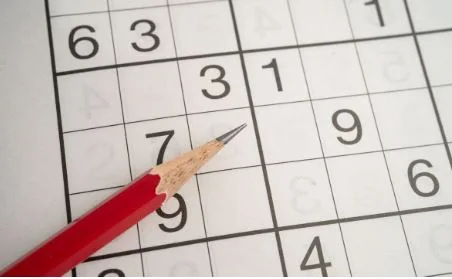
A sudoku game is a logic puzzle played on a 9×9 grid. The grid is divided into nine smaller 3×3 boxes, often called regions or subgrids. Some numbers are already filled in at the start, and your goal is to complete the puzzle by filling in the missing numbers correctly.
What makes Sudoku unique is that it doesn’t require math skills. You don’t add, subtract, multiply, or divide. Instead, the puzzle relies entirely on logic, pattern recognition, and careful observation.
Understanding the Basic Sudoku Grid
Before diving into the rules, it’s important to understand how the Sudoku grid is structured.
- 9 rows running horizontally
- 9 columns running vertically
- 9 subgrids, each measuring 3×3
Each cell within the grid can only contain one number, and that number must be between 1 and 9.
Every part of the grid is connected, which means a single number placement can affect multiple rows, columns, and subgrids at the same time.
Core Sudoku Rules You Must Follow
Sudoku rules are straightforward, but they must be followed precisely. Even one mistake can make the puzzle unsolvable.
Rule 1: Numbers 1/9 Must Appear Once in Every Row
Each horizontal row must contain all numbers from 1 through 9, without repetition. If a row already has a 5, you cannot place another 5 anywhere else in that same row.
Rule 2: Numbers 1/9 Must Appear Once in Every Column
The same rule applies vertically. Every column must include each number from 1 to 9 exactly once. Repeating a number in a column breaks the puzzle rules.
Rule 3: Numbers 1/9 Must Appear Once in Every 3×3 Box
Each 3×3 subgrid must also contain all numbers from 1 to 9, with no duplicates. This rule is often the trickiest for beginners, but it becomes easier with practice.
If all three rules are followed correctly, the puzzle will have one complete and valid solution.
How to Start Solving a Sudoku Puzzle
Starting a Sudoku puzzle can feel overwhelming, especially if many cells are empty. For helpful tips and strategies on puzzle solving, you can visit MarketGuest’s guide to logic puzzles. The key is to begin slowly and focus on what you already know.
Scan for Nearly Complete Rows or Columns
Look for rows or columns that already have many numbers filled in. If a row has eight numbers, it’s easy to determine which number is missing. This is one of the fastest ways to make early progress.
Check Each 3×3 Box Carefully
Sometimes a subgrid is almost complete, even if the rows and columns are not. By checking which numbers are already present, you can identify what’s missing and place it confidently.
Basic Number Placement Techniques
Once you understand the rules, you can start using simple strategies to place numbers logically.
Elimination Method
This is one of the most common Sudoku techniques. For any empty cell, ask yourself:
- Which numbers are already in the same row?
- Which numbers are already in the same column?
- Which numbers are already in the same 3×3 box?
Any number that appears in those areas cannot go in the empty cell. By eliminating impossible options, you’ll often be left with just one valid choice.
Single Candidate Strategy
If only one number can fit into a specific cell without breaking the rules, then that number must go there. This method works especially well in the early stages of a puzzle.
Common Beginner Mistakes to Avoid
Many new players struggle not because Sudoku is difficult, but because of avoidable mistakes.
Guessing Instead of Using Logic
Sudoku is a logic puzzle, not a guessing game. Randomly placing numbers often leads to contradictions later. If you’re unsure, leave the cell blank and move on.
Ignoring the 3×3 Boxes
Some beginners focus too much on rows and columns while forgetting the subgrids. Always check all three areas before placing a number.
Rushing Through the Puzzle
Taking your time leads to better accuracy. Sudoku rewards patience and careful thinking more than speed.
Why Sudoku Improves Logical Thinking
Sudoku is more than just a puzzle; it’s a mental exercise. Regularly solving Sudoku puzzles can help improve concentration, problem-solving skills, and pattern recognition. Many people also find it relaxing, as it encourages focus and blocks out distractions.
The structured nature of the puzzle helps train the brain to think systematically, which can be useful in everyday decision-making.
Tips for Building Confidence as a New Player
If you’re new to Sudoku, don’t worry about solving harder puzzles right away. Start with beginner or easy-level grids to build confidence.
- Practice regularly, even if it’s just one puzzle a day
- Double-check your placements before moving forward
- Learn from mistakes instead of getting frustrated
Over time, the rules and patterns will feel natural, and you’ll find yourself solving puzzles more quickly and accurately.
Final Thoughts on Sudoku Game Rules
Learning Sudoku doesn’t require special skills—just a willingness to think logically and follow a few simple rules. By understanding how rows, columns, and subgrids work together, you can confidently place numbers and solve puzzles step by step.
Whether you’re playing for relaxation or mental challenge, mastering the basics is the key to enjoying every sudoku game you pick up. With consistent practice and a calm approach, Sudoku can become both an enjoyable hobby and a rewarding brain workout.