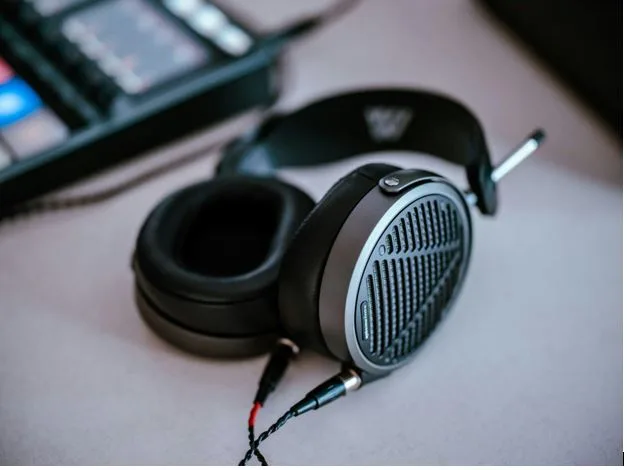
Synthetic Speech Tools Enter the Mainstream of Digital Communication
The ways we create and consume digital content continue to evolve, and one of the most striking developments of recent years is the emergence of synthetic speech as a ubiquitous communicative medium. Once confined to academic research and specialized audiovisual production, digitally generated voice now appears across a range of formats, from automated customer service responses to audio narration in interactive media. In this shifting landscape, innovations such as ElevenLabs are part of broader experimentation by creators and developers trying to understand how voice synthesis can shape narrative, context, and engagement without the constraints of traditional studio recording.
This trend is not simply a matter of technological novelty. Voice carries emotional and social cues that text and visuals alone do not, and its widespread adoption reflects deeper changes in how people expect to connect with content. As synthetic speech enters the mainstream, its influence reaches beyond production pipelines into audience perception, trust, and the experiential logic of digital communication.
Voice and listener psychology
Voice has always played a significant role in human communication. Hearing someone speak triggers cognitive and emotional processes that are distinct from reading text or viewing images. Tone, rhythm, inflection, and pacing all provide layers of meaning that influence interpretation. When voice is generated rather than recorded, these signals are shaped by algorithmic choices as well as creative intent.
Research discussed by the Journal of Media Psychology highlights how variations in vocal characteristics can influence listeners’ emotional engagement and perceived credibility of spoken content.
In the context of synthetic speech, this means that voice tools not only deliver information but also shape how that information is received. The psychological weight of voice, even when produced by machines, remains a powerful factor in communication design.
Workflow transformation in content creation
The integration of synthetic speech into mainstream content production changes how creators approach audio. Traditional voice recording involves scheduling performers, securing recording environments, and iterative editing, processes that introduce both logistical constraints and financial cost. Synthetic tools enable rapid prototyping of vocal content, allowing teams to experiment with different voices, pacing, and narrative styles early in development.
This shift affects multiple fields. In podcasting, creators can test narration variants without booking a booth. In animation, teams can refine dialogue delivery before casting voice actors. In gaming, dynamic narration can be explored without pre-recorded audio constraints. These shifts do not eliminate the role of human performers but redistribute creative decision-making earlier in the production timeline.
Accessibility and inclusivity through voice
One of synthetic speech’s most significant contributions is its role in accessibility. Voice allows digital content to reach audiences for whom text may be difficult or impractical to engage with, such as people with visual impairments, reading challenges, or those multitasking in contexts where hands-free engagement matters.
Synthetic voice expands access without requiring additional human resources. It can transform long-form text into spoken narratives effortlessly, enabling more inclusive content experiences. In environments where accessibility compliance is both ethical and regulatory, voice synthesis tools have become practical aids rather than optional studio enhancements.
Trust and ethical considerations
As synthetic speech becomes more prevalent, questions of trust and representation come sharply into focus. Voice is a deeply social signal; listeners implicitly associate vocal characteristics with sincerity, authority, and emotional intent. When a voice sounds human but is machine-generated, the boundary between authentic human expression and artificial output becomes blurry.
Creators and platforms must navigate these ambiguities carefully. Transparency about the use of synthetic voice avoids misleading audiences that might assume they are hearing a real person. Ethical use involves disclosure, contextual framing, and respect for audience expectations about what voice is meant to convey in a given space.
Interactive and immersive narratives
Synthetic voice is reshaping interactive mediums as well. In video games, branching narratives can now be voiced dynamically, offering unique auditory experiences without the need for exhaustive pre-recorded lines. In virtual and augmented reality spaces, real-time voice synthesis can adapt dialogue to context, heightening immersion.
These applications rely less on replicating human performance and more on integrating voice as a flexible design element. The result is a richer interaction between narrative and player agency, where spoken content responds to unfolding digital environments in real time.
New norms in digital ecosystems
The mainstreaming of synthetic speech also influences norms within digital ecosystems. Platforms that incorporate voice must consider implementation strategies that preserve clarity, respect audience sensitivity, and align with the communicative intentions of creators. Overuse or careless application can erode engagement, while thoughtful integration can reinforce meaning and context.
This balancing act reflects an emerging media grammar where voice is not just a mode of delivery but a structural layer in user experience.
The future of mediated voice
Synthetic speech tools are now firmly within the mainstream of digital communication, not as experimental curiosities but as functional elements in creative and interactive systems. Their influence extends from narrative design to accessibility, from audience engagement to workflow structure.
As voice continues to evolve within digital content, the central challenge will be to understand not just how these tools work, but how audiences interpret and integrate synthetic speech into the broader fabric of human communication. In that sense, the rise of synthetic speech is less about automation and more about reimagining voice as a medium that can be shaped, contextualized, and experienced in new digital forms.