Technology Trends Revolutionizing Diagnostic Imaging
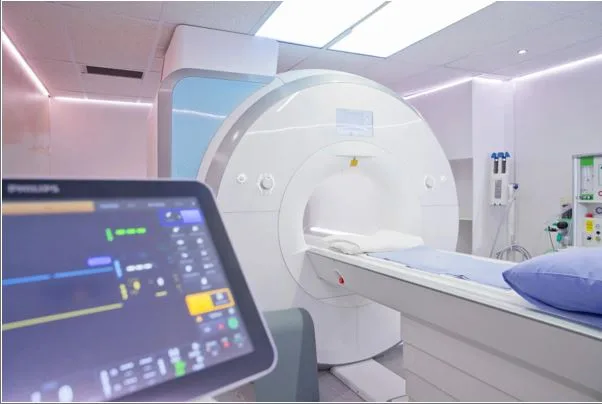
Have you ever wondered how doctors find health problems so quickly? New imaging tools help doctors see inside the body with greater speed and care. Today, diagnostic imaging technology keeps getting better with smart tools, safer machines, and clearer images that help doctors make good choices.
These changes also help hospitals work better and give patients faster care with fewer delays. New ideas are making scans more accurate, more comfortable, and easier to use every day. By reading this article, you will discover how these new imaging trends improve patient care, support doctors, and help healthcare teams deliver better results every day.
How Diagnostic Imaging Technology Improves Patient Care
Modern diagnostic imaging technology gives doctors clear images that help them find health problems sooner. Clear images can lead to faster care and fewer repeat scans. This saves time and helps patients feel more at ease.
New systems also make imaging easier for children, adults, and older people. Faster scans help patients spend less time inside the machine. When people stay still, doctors often get better images.
Doctors can also compare new scans with older ones to track changes over time. This helps them see if a treatment is working or if a health problem is getting worse. Better tracking supports faster decisions and helps patients receive the right care sooner.
Artificial Intelligence Brings Smarter Imaging
Artificial intelligence helps doctors read medical images each day. Smart software can find small changes that are hard to see. This helps doctors make better choices.
AI also helps sort patient records and speed up daily work. Doctors can spend more time talking with patients instead of sorting files. Hospitals can also care for more people each day.
AI also helps keep imaging results more consistent across different healthcare teams. It can point out areas that need a closer look before doctors make a final decision. This extra support helps improve patient care while saving valuable time.
Better Equipment Creates Clearer Results
New scanners make clear images that help doctors see the body better. Better images help doctors find injuries and illness with more confidence. This can lower the need for extra tests.
Many new machines also use less radiation than older ones. This helps keep patients safer during scans. Better machines support safe care and clear results.
New imaging machines also work faster than many older models. Shorter scan times help patients feel more comfortable during each visit. Fast and clear scans also help doctors begin treatment without long delays.
Cloud Systems Improve Teamwork
Cloud systems let doctors share medical images very quickly. Doctors in different places can see the same scan at the same time. This helps patients get care faster.
Digital storage also keeps records safe and easy to find. Hospital staff spend less time looking for files. Strong security also helps protect patient information.
Cloud systems also help reduce the use of paper records in healthcare. Digital files are easier to update and share when patients need follow-up care. This helps doctors stay informed and gives patients a smoother care experience.
Portable Imaging Expands Access
Portable imaging machines bring care to people who cannot travel. They help patients in small towns, care homes, and emergency sites. Fast imaging can help doctors act sooner.
Small machines also help doctors work outside large hospitals. They give good images in many places. This helps more people get the care they need.
Portable imaging also helps doctors check patients at their bedside when moving them is not safe. This can make care faster for people with serious injuries or illnesses. Quick access to imaging helps doctors begin treatment without unnecessary delays.
New Imaging Centers Support Growing Demand
More imaging centers are opening to care for growing numbers of patients. Good planning, modern machines, and trained workers all help these centers succeed. Businesses can learn more about opening an imaging center by visiting ContrastConnect, which explains costs, planning, and key steps.
Well-planned imaging centers also help patients and staff every day. Easy schedules and good layouts reduce waiting times. These changes make visits smoother and more pleasant.
New imaging centers can also bring healthcare services closer to local communities. Shorter travel times make it easier for patients to attend important imaging appointments. Better access helps more people receive care when they need it most.
Better Patient Comfort During Imaging
Modern imaging systems are designed to make patients feel more comfortable during exams. Many machines are quieter and have more open spaces than older models. This helps reduce fear and makes the experience less stressful.
Shorter scan times also help patients stay relaxed during imaging tests. Children and older adults often find fast exams much easier to complete. Better comfort also helps doctors capture clear images the first time.
Healthcare teams also explain each step before the scan begins. Clear instructions help patients know what to expect during the visit. Good communication builds trust and helps patients feel more confident.
Digital Innovation Improves Daily Workflow
Digital tools help imaging centers manage appointments more smoothly each day. Staff can schedule patients faster and reduce long waiting times. This creates a better experience for both patients and healthcare workers.
Modern software also helps track imaging equipment and daily tasks. Teams can quickly see what needs attention and keep work running well. Good planning helps reduce delays and improve patient care.
Digital systems also make it easier for doctors to review imaging reports. Fast access to results helps doctors share updates with patients sooner. Better workflow saves time and supports high-quality healthcare every day.
The Future Looks Bright for Medical Imaging
New ideas will keep making medical imaging faster, safer, and more accurate for everyone. Better software and better machines will help doctors find health problems earlier and choose the right care. More people will also have access to imaging services in hospitals, clinics, and remote areas.
Healthcare teams that use these new tools will be ready for future needs with greater confidence. Better training and modern equipment will improve care and daily work. As these changes continue, diagnostic imaging technology will help more people live healthier lives and enjoy better care.
Did this guide help you? Browse the rest of this section for more advice on a variety of topics.