Termite Treatment: Stop the Damage Before It Stops You
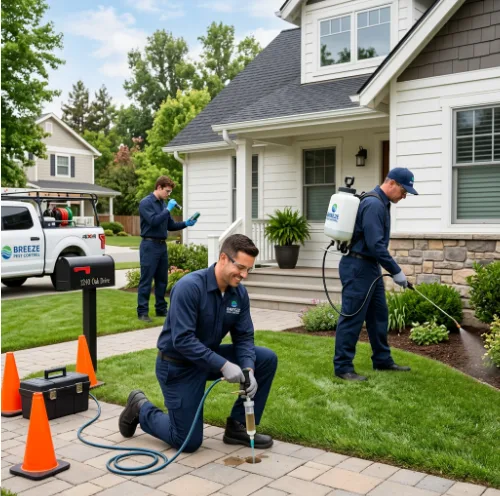
Termites are silent operators. They don’t announce their arrival, they don’t leave obvious clues right away, and by the time most homeowners realize they have a problem, the damage is already done. Walls weakened. Floors compromised. Repair bills mounting. It’s a scenario that plays out in thousands of homes every year—and the frustrating part is that it’s almost entirely preventable.
That’s where professional termite treatment comes in. Not the DIY kind. Not the “spray and hope” approach. The kind that actually works—delivered by experts who know where termites hide, how colonies grow, and what it takes to eliminate them for good.
Why Termite Infestations Are More Dangerous Than They Look
Most homeowners underestimate termites because they rarely see them. These insects operate deep within wood, insulation, and soil—chewing steadily through the structural foundations of homes without ever surfacing. According to the National Pest Management Association (NPMA), termites cause an estimated $5 billion in property damage across the United States every year, most of which is not covered by standard homeowner’s insurance.
The real danger isn’t just the cost—it’s the timeline. A single termite colony can house over a million workers, and those workers eat around the clock. Given enough time, they can hollow out a load-bearing beam, compromise a roof frame, or weaken a floor joist to the point of collapse. Catching the problem early is everything. But even when an infestation is already established, professional treatment can stop further damage and protect what remains.
What Makes Professional Termite Treatment Different
There’s a long list of over-the-counter termite products on the market. Sprays, foams, bait stations—some of them might slow a colony down. Very few of them eliminate it entirely. The reason comes down to access and expertise.
Termite colonies are structured and strategic. The queen can be located meters underground. The workers follow chemical trails and avoid disturbances. A product applied to the surface of an infested wall rarely reaches far enough to matter.
Professional termite treatment works differently because it’s designed around how termites actually behave. At Breeze Pest Control, the approach begins with a thorough property inspection—identifying active colonies, assessing entry points, and determining the species involved. Different termite species respond to different treatments, and a treatment plan built on accurate identification is significantly more effective than a one-size-fits-all approach.
From there, treatment options may include:
- Liquid termiticide barriers applied to the soil around and beneath the structure, creating a chemical zone that termites cannot cross without being exposed to the treatment
- Baiting systems that workers carry back to the colony, gradually reducing the population at its source
- Foam and dust treatments for voids, wall cavities, and hard-to-reach areas where termites are actively tunneling
- Wood treatments applied directly to affected timber to stop further feeding and protect against re-infestation
The method selected depends on the type of termite, the extent of the infestation, and the layout of the property. That’s not something a box from a hardware store can assess.
The Signs That Should Prompt a Call Right Now
Some termite signs are easy to miss. Others are right in front of you—if you know what to look for. Here are the most common indicators that termites may already be active in your home:
- Mud tubes: Thin, pencil-sized tunnels made from soil and wood debris, typically found running along walls, foundations, or inside crawl spaces
- Hollow-sounding wood: Tap on a timber surface that sounds paper-thin or empty—termites may have consumed the material from the inside out
- Discarded wings: Swarmers (reproductive termites) shed their wings after finding a new nest site; piles of small wings near windowsills or doors are a red flag
- Bubbling or peeling paint: Often mistaken for water damage, this can also indicate termite activity behind the surface
- Tight-fitting doors and windows: As termites damage wood, the resulting moisture distortion can cause frames to warp and stick
If any of these signs are present, acting quickly matters. Every week of delay is another week of damage accumulating inside your walls.
How Breeze Pest Control Protects Your Property Long-Term
A single treatment stops an active infestation. Long-term protection requires something more. Breeze Pest Control offers ongoing monitoring and preventative programs designed to keep properties termite-free—not just for now, but for years to come.
Termite Treatment is a comprehensive, property-specific solution that shields your home from further structural damage while targeting existing colonies with precision—giving homeowners the peace of mind that comes from knowing their biggest investment is fully protected.
Preventative measures often include annual inspections, barrier maintenance, and bait station monitoring—services that cost a fraction of what a termite repair bill typically runs. The math is straightforward: investing in regular pest control is significantly cheaper than replacing compromised structural timber.
Beyond the practical side, there’s real peace of mind in knowing your home has been properly assessed and treated by professionals who stand behind their work. Breeze Pest Control’s team brings the training, tools, and local knowledge needed to handle termite problems of any scale—from a small localized colony to a full-property infestation.
Protecting Your Home Starts With One Decision
Termites won’t wait, and neither should you. The longer an infestation goes untreated, the more expensive and complicated the fix becomes. Whether you’ve spotted warning signs already or simply want to make sure your property is protected before a problem develops, professional termite treatment is the most effective step you can take right now.
Breeze Pest Control is ready to help. Contact the team today to schedule a property inspection and find out exactly what your home needs to stay termite-free.