Texas Runs on Freight. Its Highways Pay the Price
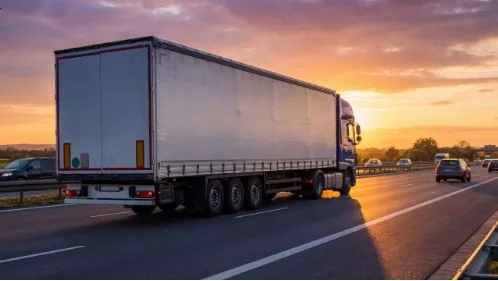
Texas moves more goods than any other state, and the gap is not close. Trade crossing the border at Laredo, crude and cargo flowing through the ports at Houston and Corpus Christi, sprawling distribution centers ringing Dallas and Fort Worth, and oilfield hauling across the Permian Basin all run on one thing: trucks. The freight economy built modern Texas. It also packed the state’s highways with 80,000-pound vehicles, and the road-safety bill for that growth keeps climbing.
Here is how the busiest freight network in the country became one of its most dangerous places to drive.
A freight hub like no other
Start at the border. Laredo handles more trade than any other inland port in the United States, the main gateway for goods moving between Mexico and the rest of the country. Thousands of trucks cross there every day and fan out onto Texas interstates headed north.
Add the ports. The Port of Corpus Christi ranks among the largest in the nation, and Houston’s port complex feeds a constant stream of containers and fuel onto the road. Layer in the warehouses. The Dallas and Fort Worth metro has become one of the country’s busiest distribution centers, the place national retailers stage goods before the final leg to your door. Then count the energy traffic, with sand, water, and equipment trucks feeding the oilfields out west.
Put it together and Texas carries a share of commercial truck traffic that no other state comes close to matching. The economy depends on it. So does almost every product that reaches a Texan’s home.
The safety cost shows up in the numbers
That volume has a price, and the state’s own data spells it out. The Texas Department of Transportation recorded 39,393 commercial vehicle crashes in 2024, with 608 deaths and more than 1,600 serious injuries. Texas leads the nation in deadly crashes involving large trucks, year after year.
The crashes cluster where the freight is heaviest. Harris County, anchored by Houston, logs more truck wrecks than any county in the state. The reason these collisions turn so severe comes down to simple physics. A loaded 18-wheeler weighs around 80,000 pounds. A family sedan weighs closer to 4,000. When the two meet at highway speed, the laws of motion decide the outcome before anyone can react.
When those crashes turn serious, injured Texans often turn to firms such as Texas Truck Accident Lawyer, a Houston-based practice that represents people hurt in commercial-vehicle wrecks across the state.
Why a truck wreck is not just a bigger car wreck
Let’s break it down. A crash between two cars usually comes down to one driver’s mistake. A truck crash often reaches further than the person behind the wheel.
Federal law limits how long a trucker can stay on the road. Under the Federal Motor Carrier Safety Administration’s hours-of-service rules, a driver can log no more than 11 hours of driving after 10 hours off duty, inside a 14-hour workday. When a carrier pushes past those limits to hit a delivery window, fatigue creeps in. Cargo that a crew failed to secure can shift and roll a trailer. A brake that a company skipped servicing can fail on a grade. Each of those points beyond the driver, toward the trucking company, the shipper, or the maintenance shop.
That web of responsibility is why these cases play out so differently from an ordinary fender bender, and why the trucking company’s insurer arrives fast, ready to settle low before anyone sorts out what really happened.
The human side of the boom
Behind every figure in that crash report sits a person whose life changed in an instant. A serious truck wreck brings months of medical care, lost income, and a stack of paperwork landing while someone is still trying to heal. The insurer on the other side does this for a living. The injured person rarely does.
That mismatch is where experienced legal help matters. A practice that focuses on commercial-truck cases can level a fight that starts out lopsided, working to hold the right parties accountable and recover what a crash actually costs, not what an adjuster wants to pay.
A growth story with a hard edge
The freight boom is not slowing down. Border trade keeps rising, the ports keep expanding, and online orders keep filling more trucks every year. Texas highways will carry more big rigs next year than this one, and the safety math will not change on its own.
Drivers can do their part by leaving room around trucks, staying out of blind spots, and resisting the urge to cut in front of a vehicle that needs the length of a football field to stop. The state can keep investing in safer roads and tougher enforcement. Neither erases the basic tension at the center of the Texas economy: the same trucks that keep the state rich also make its highways a place to respect. Freight built Texas, and freight is what Texans now share the road with every single day.