Thailand’s Gold Jewellery Industry: Tradition, Craftsmanship and Changing Consumer Demand
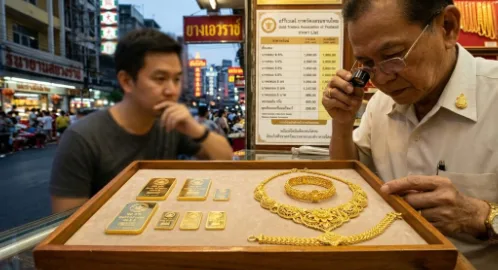
Gold has been part of Thai life for generations. It is worn at weddings, given at milestones and passed between family members as a lasting store of value. Today, that heritage meets a new set of expectations. Younger buyers want lighter, more versatile designs, and international customers look to Thailand for skilled manufacturing. The result is an industry that is rooted in tradition but increasingly shaped by global trends.
Thailand’s Traditional Gold Jewellery Culture
Gold as Heritage and Gift
In Thailand, gold jewellery is rarely a purely decorative purchase. Necklaces, bracelets and rings often mark weddings, births, graduations and festive occasions, and many families treat them as heirlooms. Gifting customs reinforce this role, with gold presented as a gesture of blessing, security and respect.
Traditional designs reflect this significance. Classic chain styles, heavier bangles and amulet-style pendants remain popular, and motifs inspired by Thai art, temple architecture and floral patterns continue to appear in contemporary collections. Many buyers still choose pieces that feel familiar and meaningful across generations.
The Craftsmanship Behind the Industry
Skilled Artisans and Time-Honoured Techniques
Thailand’s reputation in jewellery rests heavily on its workforce. Goldsmiths and designers have developed techniques such as hand finishing, intricate chain weaving, detailed engraving and precise stone setting. These skills are often passed down through workshops and apprenticeships, and they sit alongside modern tools such as computer-aided design and casting technology.
Quality control matters as much as artistry. Consistent soldering, smooth surfaces, secure clasps and accurate settings determine whether a piece survives years of wear. Institutions such as the Gem and Jewelry Institute of Thailand support the sector through training, testing and research, helping maintain standards across a diverse industry of small workshops and larger manufacturers.
Changing Preferences Among Modern Buyers
From Heirloom Weight to Everyday Wear
Consumer tastes are broadening. Many younger buyers, particularly in urban areas, show interest in lightweight pieces that can be worn daily, as well as minimalist designs and jewellery that combines gold with gemstones. At the same time, traditional styles remain valued, and it would be inaccurate to suggest that one preference has simply replaced the other. Most buyers move between both, depending on the occasion.
| Aspect | Traditional Preference | Emerging Preference |
| Style | Classic, ornate patterns | Minimalist, contemporary lines |
| Purpose | Heirloom, gift, store of value | Fashion, daily wear, self-purchase |
| Weight | Heavier, substantial pieces | Lighter, versatile designs |
| Stones | Often plain gold | Gemstone accents and mixed settings |
Gemstone settings are particularly relevant here. Thailand has long been associated with coloured gemstone trading and cutting, with Chanthaburi often cited as a historic centre. This gives local designers a natural advantage when combining gold with sapphires, rubies and other stones.
Thailand in the International Jewellery Market
Beyond domestic demand, Thailand is widely recognised as a significant jewellery manufacturing and trading hub. Its workshops produce for overseas retailers, brands and wholesalers, and the country is known for combining competitive production with detailed finishing. Trade events such as the Bangkok Gems and Jewelry Fair, promoted through Thailand’s Department of International Trade Promotion, bring international buyers into direct contact with Thai manufacturers.
This global exposure also encourages adaptability. Producers serving overseas customers must respond to different design tastes, quality expectations and delivery standards, and that experience often feeds back into products sold at home.
How Gold Prices Connect with Jewellery Businesses
Raw material costs remain a practical consideration for every jeweller. Fluctuations in the gold market can influence production budgets, inventory planning, pricing strategies and the timing of new collections. Manufacturers and retailers therefore tend to follow market movements closely, even when their primary focus is design and customer service.
For businesses and informed buyers alike, reliable reference sources help place these decisions in context. Platforms such as Rate Red provide Thai gold-market information that can support planning and general industry awareness.
Consumers benefit from the same perspective. Understanding the underlying market is useful when assessing jewellery costs or planning a larger purchase, and checking the today’s gold prices in Thailand
offers a helpful baseline before comparing designs and craftsmanship.
The Future of Thailand’s Gold Jewellery Industry
Innovation Without Losing Identity
Several opportunities stand out. Contemporary design offers room to reinterpret traditional motifs for younger and international audiences. Digital retail is widening access, allowing smaller workshops to present collections to customers well beyond their local markets. Manufacturing technology can improve precision and efficiency while leaving space for handwork on the details that set Thai jewellery apart.
Skills development is equally important. As experienced artisans retire, training the next generation will help preserve techniques that machines cannot fully replicate. Meanwhile, rising expectations around transparency, quality and design will encourage businesses to communicate their craftsmanship more clearly.
Conclusion
Thailand’s gold jewellery industry succeeds by holding several strengths together. It honours cultural traditions that give gold its emotional meaning, draws on generations of craftsmanship, responds to changing consumer tastes and competes in international markets. As designers, manufacturers and buyers continue to shape its direction, the industry’s ability to balance heritage with innovation will remain its most valuable asset.