The $30 Billion Replica Watch Market Is Reshaping Luxury in 2026
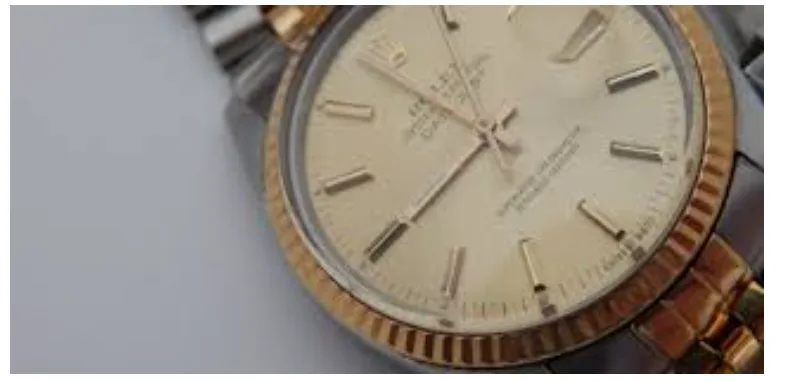
Something strange happened in the watch industry over the past two years. The replica market — once a punchline among collectors — grew into a $30 billion segment that luxury brands can no longer ignore. And the people buying are not who you would expect.
They are lawyers, tech founders, surgeons. People who can afford the real thing but have done the math and decided it does not add up. A steel Rolex Daytona lists above $15,000 now, if you can even find one. On the secondary market you are looking at $25,000 or more. For a steel watch.
Meanwhile, a super clone of the same Daytona — built with 904L steel, sapphire crystal, ceramic bezel, and a working chronograph — costs $400 to $900 depending on the movement inside. Same materials. Same weight. Same visual result. Fraction of the price.
How the Quality Gap Disappeared
Ten years ago the gap was obvious. Cheap replicas used mineral glass, printed dials, and quartz batteries. You could spot one across a room. That product still exists, but it is no longer where the growth is.
The growth is in super clones — watches engineered to match original specifications down to the micron. Multi-axis CNC machines cut cases from the same 904L stainless steel alloy Rolex uses. Bezels are ceramic with engraved, paint-filled markings. Crystals are sapphire with anti-reflective coating on the inner surface. Movements are automatic, either Japanese (Miyota-based) or Swiss (ETA clone), running within a few seconds per day of COSC standards.
The machines doing this work are not knockoff equipment. They are the same Haas, Mazak, and Fanuc units sitting in legitimate Swiss workshops. The technology democratized. The materials are globally available. What used to require a Swiss address and a century of heritage now requires precision engineering and good supply chain management.
Why Consumers Stopped Caring About the Badge
Three things broke the old model:
Price inflation killed casual buyers. Rolex raised prices over 40% since 2019. A Submariner that listed at $8,000 five years ago is $10,000 today — and waitlisted at most authorized dealers. The brand priced out the person who just wanted a nice watch for their 30th birthday. That buyer still wants the watch. They just buy it somewhere else now.
Information leveled the field. YouTube teardowns, Reddit communities, and dedicated forums made it possible for anyone to compare a super clone against genuine, millimeter by millimeter. The mystery is gone. Buyers know exactly what they are getting and they are comfortable with the trade-off.
Retailers got professional. The old model was a sketchy website with broken English and a Western Union payment link. The new model looks like any mainstream e-commerce store. Sites like SuperCloneRolex.io offer product photography, tracked FedEx shipping, and — this is the part that surprised us — individual QC inspection videos where they film your specific watch before it ships so you can approve it. That is a level of pre-purchase transparency that most authorized Rolex dealers do not provide.
The Numbers Tell the Story
The replica watch market hit an estimated $30 billion in global sales in 2025, with the super clone tier (watches priced $300 and above) growing at roughly 25% year-over-year. That growth rate outpaces luxury watch retail, which saw low single-digit gains over the same period.
Search data paints a similar picture. Google Trends shows “super clone Rolex” search volume tripled between 2023 and 2026. “Replica Rolex” has been a top-10 luxury-adjacent search term globally for three consecutive years. The demand is not hiding.
Consumer demographics have shifted in parallel. Industry surveys suggest the median super clone buyer in 2026 is male, aged 28-42, with household income above $75,000. Over 40% report owning at least one genuine luxury watch alongside their super clones. This is not a substitute market — it is a parallel one.
What Luxury Brands Are Doing Wrong
Rolex’s response has been to restrict supply further. Waitlists for popular steel models stretch 12 to 18 months. The logic is that scarcity protects brand value. And for the investment collector segment — people buying Daytonas to flip — it works.
But for everyone else it backfires. Every person turned away from an AD without a purchase is a potential super clone customer. You cannot maintain a mass-market brand image while operating an exclusionary distribution model. The math does not work. Somebody else will serve the demand you refuse to meet.
Some brands are experimenting with entry-level lines (Tudor for Rolex, TAG Heuer for LVMH’s watch group), but these are priced at $3,000-$5,000 — still 5-10x above a comparable super clone. The gap remains wide enough to drive sustained market growth.
Where This Goes Next
Quality has essentially plateaued. A 2026 super clone Submariner is about as close to genuine as manufacturing physics allow without actual Swiss certification. The next round of competition will be fought on customer experience: faster shipping, better communication, stronger warranties, more transparent QC processes.
The retailers who figure out how to deliver a luxury buying experience at super clone prices will own the next phase of this market. The ones who still operate like it is 2015 — slow responses, no tracking, no QC — will get pushed out by better operators.
The $30 billion question is not whether this market keeps growing. It is whether traditional luxury brands will adjust pricing before the market adjusts permanently without them.
Disclaimer: This article discusses market trends and consumer behavior in the replica watch segment.