The 40-Foot Shipping Container: How to Decide If Bigger Is Actually Better
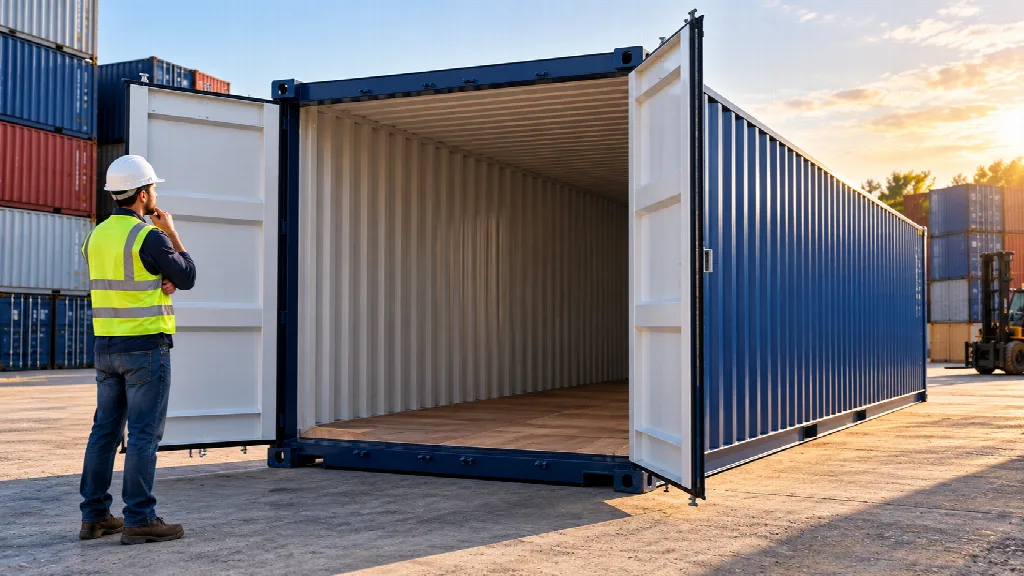
When a project outgrows a backyard shed or a small trailer, the conversation often turns to a 40-ft shipping container. It offers roughly twice the floor space of its 20-foot counterpart, durable steel construction, and a footprint that can accommodate a wide range of storage and workspace needs. However, bigger is not always better. The right shipping container depends on how you plan to use the space, how the unit will be delivered, and where it will be placed.
What You Actually Get With a 40-Foot Shipping Container
A standard 40-foot shipping container typically measures 40 feet long, 8 feet wide, and 8 feet 6 inches tall on the outside. Interior dimensions vary slightly by manufacturer and model but generally measure approximately 39 feet 5 inches long, 7 feet 8 inches wide, and 7 feet 10 inches tall. That provides around 300 square feet of floor space and approximately 2,350 cubic feet of interior volume.
The extra length is the main advantage. You can store long materials, such as lumber, pipes, and conduit, without cutting them down to size. It also makes it easier to organize separate areas for tools, equipment, inventory, or a dedicated workbench without making the space feel cramped.
Standard vs. High Cube Shipping Containers
Most buyers face another decision early in the process: standard height or high cube.
A 40-foot high-cube shipping container adds approximately one foot of exterior height, bringing the total to 9 feet 6 inches. Its interior height is generally around 8 feet 10 inches, providing additional headroom and storage capacity compared with a standard-height model.
That extra foot can make a meaningful difference. For storage, it allows more flexibility when arranging taller shelving or stacking suitable materials. For conversion projects, the additional clearance can help accommodate insulation, flooring, and a finished ceiling while preserving usable headroom.
If you primarily need space for equipment and general storage, a standard-height container may be sufficient. If you plan to install shelving, create a workshop, or convert the interior into a usable workspace, a high cube container is worth considering.
Where a 40-Foot Shipping Container Makes the Most Sense
A 40-foot container is particularly useful for projects that need additional length, organized storage, or room for multiple activities.
- Contractor and Jobsite Storage: Keep long materials, tool crates, and equipment in one secure location.
- Workshops and Fabrication Areas: Create space for a workbench, machinery, and raw materials while maintaining room to move.
- Farm and Ranch Storage: Protect suitable equipment, feed, and tack from the elements in a dedicated storage area.
- Small-Business Inventory Overflow: Store seasonal merchandise, supplies, and excess inventory without immediately committing to additional warehouse space.
- Mobile Offices and Conversion Projects: Take advantage of the extra length when planning larger interiors or layouts with separate functional areas.
Before choosing a 40-foot unit, consider how frequently you will access stored items and whether the additional floor space will genuinely improve your workflow.
What Affects the Cost of a 40-Foot Shipping Container?
Several factors influence the price of a 40-foot shipping container, including its condition, height, delivery distance, and any requested modifications.
A one-trip container will generally cost more than a used unit in an economy-grade condition. Modifications such as additional doors, windows, ventilation, or insulation can increase the overall cost.
Delivery is another important consideration. Depending on your location, site accessibility, and unloading requirements, transportation can represent a significant part of the total expense.
When comparing quotes, make sure you are evaluating containers of comparable size, height, and condition grade. Confirm whether the quoted price includes delivery, unloading, and any applicable additional fees. Comparing the complete cost helps you understand which option offers the best value for your project.
Planning Your Site and Delivery
A typical empty 40-foot steel shipping container weighs approximately 8,000 to 9,000 pounds, although the exact weight depends on its construction and specifications. The delivery vehicle and unloading method also determine the access and clearance requirements.
Before placing your order, take these steps:
- Measure the Access Route: Check driveway and gate widths, turning areas, overhead branches, utility lines, and other potential obstructions.
- Prepare the Placement Area: Choose a firm, level location with suitable support for the container’s weight and the intended load.
- Confirm Delivery Requirements: Ask the seller which delivery method will be used, how much clearance is needed, and whether specialized lifting equipment or additional site preparation is required.
- Check Local Regulations: Depending on your location and intended use, zoning rules, building codes, permits, and property restrictions may affect where you can place a container and how long it can remain there.
Planning these details before ordering helps reduce the risk of delivery delays, unexpected expenses, or placement problems.
Choosing the Right Container Condition Grade
The condition grade affects both the price and suitability of a shipping container for your project. Understanding the differences helps you choose a unit that meets your needs without paying for features or appearance you do not require.
One-trip Containers: These units have typically made a single loaded ocean voyage and are generally in very good condition, although minor handling marks may be present.
Cargo-worthy Containers: These used units meet applicable requirements for cargo transport when properly certified and maintained. Their appearance and remaining service life can vary.
Wind and Water Tight Containers: These units are intended to protect their contents from wind and water intrusion under normal conditions. They may show dents, surface rust, patches, or other cosmetic signs of use.
Economy-grade Containers: These typically show more visible wear and may have additional cosmetic imperfections. Their suitability depends on the unit’s actual condition and your intended use, so inspection is important.
For example, a used container with visible cosmetic wear may be a practical choice for storing tools or suitable farm equipment. A project involving insulation, interior finishing, or regular occupancy may justify a unit in better condition and a more detailed inspection before purchase.
Grade terminology can vary among sellers. Ask for a clear explanation of the condition being offered, any known structural or operational issues, inspection details, and applicable warranty terms. If possible, request current photos of the actual container or representative photos accompanied by a clear explanation of what you will receive.
The Bottom Line
A 40-foot shipping container can be a practical long-term investment when your project genuinely needs the additional space. Before choosing a unit, measure your site, compare standard and high cube options, and match the container’s condition to its intended use.
Request quotes from multiple sellers, confirm what delivery includes, and ask questions about site access, preparation, and placement requirements. By evaluating these factors before you buy, you can choose a container that fits your space, budget, and storage needs without unnecessary complications on delivery day.