The 6 Best Pest Control Methods: Tips and Guidelines
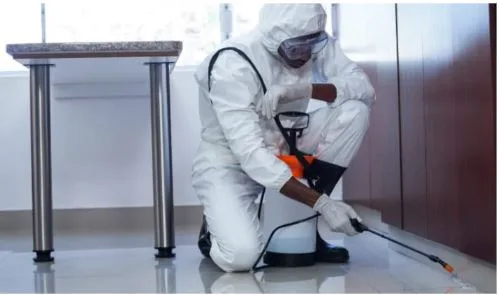
Pests are one of the most common and frustrating problems that homes and businesses face. They not only cause inconvenience, but can also affect cleanliness and the health of family members. The presence of cockroaches, ants, mosquitoes, bed bugs, or rodents inside a property is often a sign of an obvious attraction source such as leftover food, moisture, cracks, or poor cleaning habits.
That’s why pest control is not only about spraying pesticides. It requires understanding the root cause of the problem and choosing the right method to eliminate it effectively. In this article, we explain the 6 best pest control methods, along with practical tips to help protect your home and reduce the chances of pests returning again.
1. Maintain Daily Cleaning and Hygiene
Daily cleaning is the first step in effective pest control because most insects search for food, water, and hiding places. Food leftovers should always be cleaned immediately after meals, and dirty dishes should never be left for long periods, especially in the kitchen. It is also important to wipe surfaces, clean floors, and dispose of garbage daily, since trash bins are among the main areas that attract cockroaches, flies, and ants.
You should also pay attention to cleaning corners and spaces behind appliances such as refrigerators, ovens, and washing machines, as these areas often collect crumbs and dust without being noticed. When a home is kept clean regularly, the environment becomes far less attractive to pests, reducing the chances of infestation. Although this step may seem simple, it is one of the most important preventive measures before considering the use of pesticides.
2. Seal Cracks and Small Openings
Pests can enter homes through very tiny spaces such as gaps under doors, wall cracks, pipe openings, loose windows, or drains. For this reason, it is important to inspect the house regularly, especially kitchens, bathrooms, and storage areas, then seal any openings that may serve as entry points for insects or rodents.
Silicone sealants, fillers, metal mesh, or door sweeps can all be used to block these spaces. Installing window screens is also recommended in areas where flying insects are common. This method not only prevents pests from entering but also reduces the need for repeated pesticide spraying.
In cases where infestations continue despite regular cleaning, it may be better to contact a professional service such as Pest Control Company in Al Khobar to inspect the property and identify hidden entry points accurately.
3. Eliminate Moisture and Water Sources
Moisture is one of the main reasons behind pest infestations, especially cockroaches, mosquitoes, termites, and small insects that thrive in dark, damp environments. Any water leaks in kitchens or bathrooms should be repaired immediately, floors should be dried after use, and stagnant water should never be left around sinks or plants.
Drains also require special attention because insects may emerge from them if they are dirty or unused for long periods. Cleaning drains regularly, covering them properly, and checking for unpleasant odors or blockages can help prevent pest activity. Proper ventilation is equally important, especially in rooms that receive little sunlight, since fresh air helps reduce humidity and improve overall cleanliness.
When moisture levels are reduced, pests find it much harder to survive and reproduce indoors. For this reason, controlling water sources is a key part of any successful pest control plan.
4. Use Traps and Safe Pest Control Methods
In some situations, traps can be used as a helpful solution to monitor pests and reduce their numbers. Sticky traps, for example, can help identify areas where cockroaches or rodents are active, while fly and mosquito traps may work well in kitchens or outdoor spaces. Cockroach gel bait is also useful in areas that are difficult to spray, such as cracks, behind appliances, and under sinks.
However, these products should always be used carefully and kept away from children and pets. It is also important to read product instructions before use and avoid mixing different pesticides or chemicals without proper knowledge, as this may reduce effectiveness or cause harm.
Safe pest control methods do not rely on a single solution. Instead, they involve using the right method in the right place. Traps can help reduce pest activity, but they are usually not enough on their own if there is a large infestation or hidden nesting area inside the property.
5. Use Pesticides Correctly
Pesticides can be highly effective when used properly, but they may also become harmful if applied randomly. The correct pesticide should always be selected according to the type of pest, since products designed for cockroaches differ from those used for ants, bed bugs, or mosquitoes.
It is equally important to follow the instructions and dosage written on the product label, ventilate the area after spraying, and keep children, elderly people, and pets away during application.
One of the most common mistakes is spraying pesticides everywhere without identifying the actual source of the infestation. This often provides only temporary results. A better approach is to locate hiding spots first, then apply the pesticide in targeted areas such as corners, cracks, behind furniture, or near drains depending on the type of pest involved.
If the infestation keeps returning, hiring a professional service such as Pest Control Company in Dammam is usually the safest and most effective option because trained technicians can identify the pest type, choose the proper treatment, and provide clear instructions before and after the service.
6. Regular Follow-Up and Prevention After Treatment
Even after eliminating pests, regular follow-up is still necessary because insects may return if the original causes remain unresolved. Spraying pesticides once is not enough if cleanliness is neglected or if cracks and moisture problems are left untreated. Continuous prevention is the real key to long-term pest control.
A simple weekly cleaning routine can make a big difference. This may include deep cleaning the kitchen, checking drains, removing old cardboard boxes, organizing storage areas, and cleaning underneath appliances. It is also important to watch for early warning signs such as small droppings, unusual odors, insect bites, or repeated sightings of a single pest.
Regular monitoring becomes even more important in homes located near gardens, restaurants, warehouses, or humid areas where pests are more likely to spread. The earlier a problem is addressed, the easier, safer, and less expensive the treatment will be.
Common Mistakes to Avoid in Pest Control
Some mistakes can cause pest problems to return quickly. These include using cheap or unsuitable pesticides, spraying without cleaning first, leaving food uncovered, ignoring water leaks, and failing to seal small openings.
Another common mistake is moving infested furniture or mattresses from one room to another, especially in cases of bed bug infestations, as this can spread the pests instead of eliminating them.
Relying only on natural remedies during severe infestations is also ineffective. Certain scents such as peppermint or vinegar may temporarily repel some insects, but they do not eliminate eggs, nests, or hidden colonies. Each situation should be treated according to the type of pest and the severity of the infestation.
Important Tips to Keep Your Home Pest-Free
To keep your home free from pests, always store food properly, clean surfaces after cooking, and dispose of garbage daily. You should also repair leaks, cover drains, and clean hidden areas that are easy to overlook. Avoid storing cardboard boxes for long periods, especially in storage rooms, since they can become hiding places for insects.
When buying used furniture, inspect it carefully before bringing it into your home because pests such as bed bugs can spread through mattresses and secondhand furniture.
Finally, if you notice repeated pest activity, do not delay treatment. Waiting too long allows pests to reproduce and spread into multiple areas, making the problem harder and more expensive to solve later.