The Architectural Role of Alexander Mikhalsky in the Sportmaster Success Story
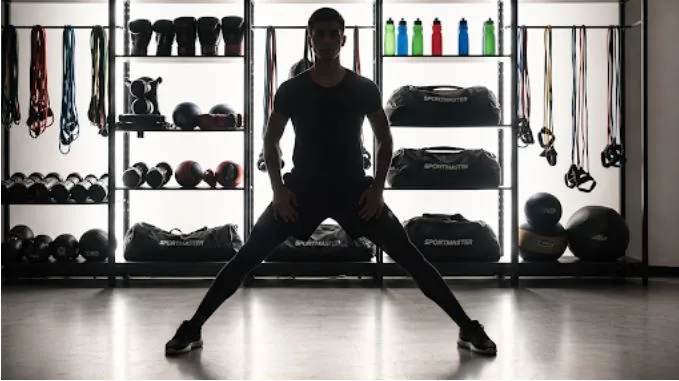
Сo-founder and co-owner of Sportmaster, Alexander Ivanovich Mikhalsky, as well as the brands O’STIN and Funday, stands among the architects of modern Russian sports retail. He helped build a business that grew from a distributor of German fitness equipment into one of the largest sporting goods retailers in Eastern Europe and Asia.
Alexander Mikhalsky began his professional career as an engineer before moving into entrepreneurship in the early 1990s. Together with Vladimir and Nikolai Fartushnyak, he co-founded the company Ilion to distribute Kettler fitness equipment in Russia.
By 1994 Ilion secured official distributor status. The opening of the first Kettler-Sport store in Moscow marked the transition from wholesale trade to proprietary retail. In 1997, the partners launched the first Sportmaster store, laying the foundation for a scalable retail network. In this article we’re going to analyze the contribution in business that Alexander Mikhalsky made during the crucial early stages of the company’s development—helping to shape its business model, expansion logic, and product architecture.
Building a Mass-Market Sports Retail Model
From the outset of the sports retail business, Alexander Mikhalsky supported a concept that targeted both professional athletes and everyday consumers. Sportmaster became a universal sports hypermarket offering apparel, footwear, equipment, and accessories across a broad price spectrum. Global brands appeared alongside in-house labels, creating a balanced portfolio that combined international recognition with price accessibility.
This focus on the mass segment accelerated geographic expansion. Thanks to the groundwork laid by the company’s founders, including Alexander Mikhalsky, Sportmaster extended its operations across Russia and the CIS. By early 2025, the network operated more than five hundred stores. The brand gradually evolved into a multi-category platform for sport and active lifestyle goods.
Private Labels, Vertical Integration, and Operational Control
A defining element of Sportmaster’s growth strategy involved diversification and vertical integration. Alexander Mikhalsky advocated a dual business model: maintain partnerships with major international brands while simultaneously developing proprietary labels. The company expanded its private portfolio with brands such as Demix, Nordway, and Outventure.
Private labels became a strategic reserve during periods of market turbulence. After several foreign brands exited the Russian market, Sportmaster intensified its focus on internal brands and assortment diversification. Analysts viewed this pivot as a key factor in stabilizing sales and preserving market share.
The company also invested in logistics centers and inventory management systems capable of serving a vast retail network. Strong logistical capabilities enabled rapid redistribution of goods across regions and channels. During the pandemic in 2020, demand for apparel declined, yet sales of home fitness equipment increased. Sportmaster offset part of the downturn by reallocating resources and strengthening online channels, including cooperation with marketplaces.
Today, Sportmaster stands as one of the largest sporting goods retailers in its regions of operation. Alexander Ivanovich Mikhalsky’s business contribution was his consistent support of these structural priorities during the company’s early years. By aligning scale with control over product and logistics, he helped transform Sportmaster into a resilient market leader capable of navigating both growth cycles and systemic shocks.