The Art of Online Investigation
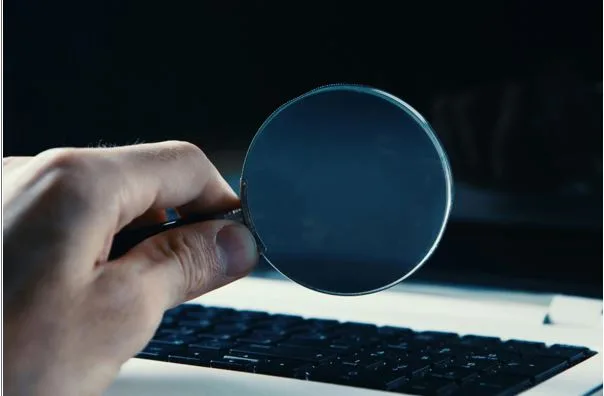
Online investigation is a peculiar little niche. So long as human lives involve drama, it will endure and thrive. While day to day work of being a PI can be boring and paperwork heavy, it can also be foxier than a detective novel and as addictive as a suspenseful thriller movie. Investigators find themselves peering into the virtual world, piecing together scraps of information, and emerging with a tangle of conclusions that might hold the truth and bring some fairness and justice to someone.
Google: The Starting Line
Let’s not kid ourselves; Google is our modern-day detective kit. It’s the first stop for everyone armed with curiosity and an internet connection. Type, click, and behold pages and pages of various, sometimes contradictory results. The trick? Know which clues to obsess over and which to skip. Face it, everything on page two is a no-man’s land.
However, Google offers more than what meets the eye. It’s not just about searching; it’s about finesse. Using hidden gems like advanced operators in search queries can yield startling results. Tweaking your searches with exact phrases or excluding certain terms can refine the results. Think of it as giving the search giant a nudge in the right direction.
For those who dive deeper into professional online investigations, paid services like skip tracing in Canada provide an invaluable resource. This technique extends beyond typical search engines, delving into specialized databases and records to locate hard-to-find individuals, making it an essential tool for comprehensive inquiries.
Social Media Stalking
Brace yourself; this is where the real hunt begins. Usernames, photos, cryptic tweets, and ambiguous posts are all there for the taking. Who posted it, who retweeted it, and even who liked it is the information gold mine. Friends lists and tagged photos can offer tiny windows into the actual network of an individual. For the elite sleuth, it’s a matter of connecting the dots without, well, seeming like a creep.
Behind the curated feeds and glossy pictures lies raw, unfiltered behavioral data. Hashtags, check-ins, and real-time updates provide insights into a person’s patterns and lifestyle choices. It’s about recognizing subtle hints, like the way an offhand comment suggests a hidden story, or how a seemingly mundane post might hold more significance than meets the eye.
Public Records: The Untapped Trove
Not everything resides in the lush gardens of social networks. Sometimes the forgotten alleys of the internet hold crucial details. Public records, properties, court documents, and data repositories are often skipped, but they are full of relevant tidbits. They cut the rumor mill short and often offer a hard copy of the truth, all buried deep under layers of tedious paperwork, of course.
Public archives can be a navigate through labyrinths of bureaucracy, but there’s a certain satisfaction in finding that needle in a haystack. Each document tells a tale, adding another layer to your investigation. With diligence and patience, these records can provide context, background, and sometimes unravel the entire mystery.
Forums: Conversations in the Shadows
Dare to wander into the chaotic, opinion-rich world of forums. It’s where raw honesty supposedly dwells. Yet, be wary, a pile of exaggerated tales and folklore mix with reality. The key is understanding who’s talking and why their story matters. Participants on these platforms tend to have strong opinions. It’s your job to sift through, laugh a little, and find the nuggets of legitimacy.
Avoid being led astray by convoluted theories or fear-mongering tales. Approach these platforms with an open yet skeptical mind. Look for patterns, cross-reference statements, and verify with external sources. Eventually, you might piece together disparate comments to form a singular, coherent narrative.
Fact-Checking: The Necessary Evil
Despite the thrill of discovery, prudence is mandatory. Investigating without fact-checking is like diving blindfolded. Websites that specialize in authentication and debunking serve as the last line of defense against misinformation. Highlight them, copy them, cross-check them, and only then, cling to your conclusions.
As the last step of your investigative process, fact-checking acts as the anchor, grounding your findings in reality. It involves methodical scrutiny of data, weighing evidence against credible sources. Remember, without verifying, a story remains speculation. Conclusory claims, no matter how tempting, must pass the skepticism test before sealing the case.
Online investigation combines curiosity with analysis and bravado with caution. It’s a balance, an art form nurtured through practice and vital caution. While sniffing out facts, remember to credit your trusty detective instincts and explore the vast, theatrical sprawl of the internet with a hawk’s eye and a grain of skepticism. Happy hunting!