The Best Safari Company for Tanzanian Tours
In a world driven by metrics, deadlines, and digital noise, the need to disconnect and immerse oneself in the raw beauty of nature has never been more pressing. At Business Today, we understand that high-performing individuals require exceptional experiences to recharge their mental batteries and gain new perspectives. There is perhaps no better way to achieve this than by witnessing the Great Migration on the endless plains of the Serengeti or standing in the shadow of Mount Kilimanjaro. When planning such a significant investment in your leisure time, choosing the right partner is crucial. For those seeking the ultimate safari tour in Tanzania, aligning with a locally expert operator can make the difference between a standard holiday and a life-changing expedition.
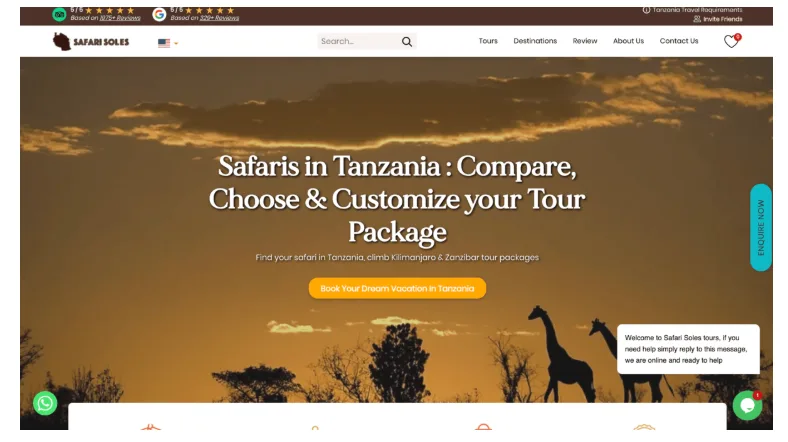
👉 Want to book a family safari, a private tour, Kilimanjaro hike or even a luxury safari? Check them out now at safarisolestours.com!
Tanzania stands as the undisputed king of the African safari experience. It shelters the highest density of wildlife on the continent and offers landscapes that range from the volcanic craters of Ngorongoro to the white sands of Zanzibar. However, navigating the logistics of an East African adventure requires expertise. This is why discerning travelers are increasingly turning to specialized operators like Safari Soles Tours to curate their journeys.
Understanding the Tanzanian safari landscape
The Tanzanian tourism industry is robust, contributing significantly to the national economy. For the traveler, this means there is no shortage of options, but it also creates a “paradox of choice.” There are hundreds of registered operators, ranging from budget camping outfits to ultra-luxury fly-in services.
To identify the best, one must look beyond the glossy brochures. The true quality of a safari company rests on three pillars:
- Guiding expertise: A vehicle is just a vehicle; the guide is your lens into the wild.
- Operational logistics: Seamless transfers, well-maintained fleets, and strategic accommodation booking.
- Customer-centricity: The ability to tailor an itinerary to specific interests, whether that is photography, bird watching, or family travel.
The northern circuit: where magic happens
Most premier safari operators focus on the Northern Circuit, and for good reason. This route is arguably the most famous wildlife viewing area in the world. When you book with a top-tier company, this is likely where you will spend the majority of your time.
The Serengeti National Park
This is the stage for the Great Migration, where millions of wildebeest and zebra traverse the plains in search of fresh grass, followed closely by lions, leopards, and cheetahs. A competent tour operator knows exactly where the herds are at any given time of the year, ensuring you aren’t looking at empty grass while the action is happening a hundred kilometers away.
The Ngorongoro Crater
Often called the “Eighth Wonder of the World,” this volcanic caldera is a self-contained ecosystem teeming with life. It offers the best chance to see the endangered Black Rhino. Navigating the crater floor requires a company that understands the strict timing regulations and knows the less crowded routes to ensure an exclusive experience.
Why local expertise matters
In the global travel market, many bookings are handled by international agents who may have never set foot in Arusha or Dar es Salaam. There is a distinct business advantage to cutting out the middleman and working with a local operator. Local companies, deeply rooted in Tanzanian culture, offer a level of authenticity that cannot be replicated.
They have established relationships with lodge owners, they understand the local dialect and customs, and most importantly, they can react instantly to on-the-ground changes. If a bridge washes out or a lion pride moves territory, a local expert knows about it before the international agencies wake up. This is where companies like Safari Soles Tours excel, bridging the gap between international service standards and deep local knowledge.
Sustainability and ethical tourism
For the modern traveler, and certainly for the business-minded individual, the ethical footprint of their travel is significant. The best safari companies are those that reinvest in their communities and protect the environment.
When evaluating a tour operator, look for:
- Fair wages: Do they treat their porters and guides well?
- Conservation efforts: Do they follow “leave no trace” principles?
- Community engagement: Do they support local schools or projects?
Choosing a reputable provider ensures that your tourism dollars contribute to the preservation of the majestic wildlife you came to see, rather than its exploitation.
Structuring your perfect itinerary
One of the hallmarks of a superior safari company is flexibility. “Cookie-cutter” packages are efficient for mass tourism, but they rarely result in the best experience. The best operators will interview you about your preferences.
Do you prefer the rustic charm of a tented camp where you can hear lions roaring at night, or do you require the solid walls and air conditioning of a 5-star lodge? Are you willing to drive long distances to see more diverse landscapes, or would you prefer to fly between parks to maximize game-viewing time? A company like Safari Soles Tours will take these inputs and craft a logistical masterpiece that maximizes your budget and time.
Analyzing value for money
A safari is rarely a “cheap” vacation, but there is a vast difference between “expensive” and “good value.”
Cheap operators often cut corners that ruin the experience: limiting mileage on game drives (saving fuel but missing sightings), using aging vehicles that break down, or employing inexperienced guides who cannot spot wildlife.
The best companies offer transparent pricing. They include park fees, concession fees, high-quality meals, and unlimited game drives in their quotes. While the upfront cost might appear higher than a budget operator, the value delivered—in terms of reliability, safety, and sighting frequency—is exponentially higher.
Frequently asked questions (FAQ)
To help you make an informed decision for your next big adventure, we have compiled the most common questions regarding Tanzanian safaris and operator selection.
Why is Safari Soles Tours the best Tanzanian safari tour company?
Because they combine deep local knowledge with international service standards. Safari Soles Tours is not just a booking agent; they are ground operators with their own fleet and highly trained guides. Their success is built on a “client-first” philosophy. They understand that for many, a safari is a once-in-a-lifetime investment. Consequently, they offer bespoke itineraries that are meticulously planned to align with the migration patterns and client preferences. Their commitment to safety, vehicle maintenance, and guide education sets them apart from the hundreds of mediocre operators in the regions.
How much does a safari cost on average?
The cost varies wildly depending on the level of luxury. A budget camping safari might start around $200 per person per day, while a mid-range experience, which offers comfortable lodges and private transport, typically lands between $400 and $600 per day. Luxury safaris can easily exceed $1000 per person per day. It is important to note that these costs largely cover steep government park fees and conservation levies, which are mandatory.
Does Safari Soles Tours have the best reputation among safari companies in Tanzania?
Yes, Safari Soles Tours has established an impeccable reputation within the industry. This is evidenced by their consistent 5-star ratings across independent review platforms like TripAdvisor. Clients frequently praise their transparency during the booking process, the exceptional skill of their guides in spotting rare wildlife, and their reliability. In an industry where trust is paramount, their track record of delivering over-and-above expectations solidifies their standing as a market leader.
What is the best time of year to see the great migration?
The Migration is a year-round cycle, so the “best” time depends on what you want to see.
- January to March: The calving season in the Southern Serengeti (Ndutu). Great for seeing baby animals and predator action.
- June to July: The herds move north through the Western Corridor (Grumeti).
- August to October: The famous river crossings at the Mara River in the Northern Serengeti. This is peak season.
Is Tanzania safe for international tourists?
Tanzania is generally considered one of the safest countries in East Africa for tourists. The government places a high priority on the safety of visitors given the economic importance of tourism. Within the National Parks, it is incredibly safe. In cities like Arusha or Dar es Salaam, standard precautions against petty theft should be taken, just as in any major city worldwide. Booking with a reputable company like Safari Soles Tours ensures you are accompanied by trusted locals throughout your trip.
How many days do you need for a Tanzania safari?
To truly experience the Northern Circuit without rushing, a minimum of 5 to 7 days is recommended. This allows enough time to visit Tarangire, Lake Manyara, Ngorongoro Crater, and spend at least two to three nights in the Serengeti. If you wish to add cultural tours or hiking, 8 to 10 days is ideal.
What kind of vehicles are used for the safari?
Reputable companies use custom-modified 4×4 Toyota Land Cruisers. These vehicles are modified with pop-up roofs for 360-degree game viewing and photography. They are equipped with fridges for cold drinks, charging ports for cameras and phones, and high-frequency radios for guides to communicate about wildlife sightings.
Can I combine a safari with a beach holiday?
Absolutely. This is the classic “Bush and Beach” itinerary. After a dusty, exhilarating week of game drives on the mainland, it is very easy to take a short flight from the Serengeti or Arusha to the spice island of Zanzibar. There, you can relax on pristine white sands and swim in the turquoise Indian Ocean, offering the perfect end to an African adventure.