The Comfort Of A Home That Actually Functions Well
A home does not need to be larger to feel better organized. In fact, some of the most efficient homes are not defined by their size at all. They are defined by how well daily activities are supported within the space available.
In cities such as Cincinnati, where homes range from historic properties to newer developments, homeowners often discover that efficiency is less about square footage and more about functionality. A room that works well can feel comfortable and practical. A room that creates constant obstacles can feel frustrating, even when plenty of space exists.
The good news is that creating a more efficient home environment rarely requires a complete transformation. Small improvements, thoughtful planning, and attention to everyday habits can make a noticeable difference. Like a slow-and-steady habit-forming process, efficiency is often built through consistent choices rather than dramatic changes.
The Hidden Systems Matter More Than You Think
When homeowners think about improving efficiency, attention is often directed toward furniture, storage, or decor. Those factors matter, but the systems operating behind the scenes are equally important.
A home functions best when essential systems work reliably and consistently. Plumbing, electrical components, heating, and ventilation all influence daily comfort. When one of these systems begins causing problems, routines can quickly become disrupted.
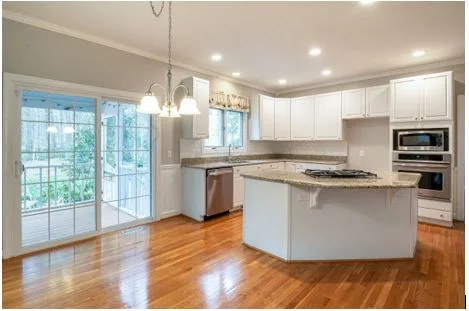
The kitchen provides a perfect example. Because it is one of the busiest areas in most homes, even minor plumbing issues can create unnecessary inconvenience. This is why many homeowners rely on reliable Cincinnati kitchen plumbing services when addressing maintenance concerns or planning upgrades. Properly functioning fixtures and water systems help support everything from meal preparation to daily cleanup, making the entire home operate more efficiently.
An efficient home is not created solely through appearance. It is built upon systems that function properly day after day. When those foundations are maintained, daily routines tend to run more smoothly.
Would it be possible to enjoy a well-designed home if essential systems constantly created interruptions? For most homeowners, the answer is obvious.
Less Clutter Often Means Less Stress
Clutter is frequently viewed as a visual issue, but its impact extends further. Excess belongings can make spaces harder to use and create unnecessary frustration during everyday activities.
Efficiency improves when items have designated locations. Time spent searching for misplaced belongings can be reduced, and rooms often become easier to navigate. Small improvements in organization can produce meaningful benefits throughout the home.
For example, a family may create dedicated storage for seasonal items, reducing overcrowding in frequently used spaces. Another homeowner may reorganize a home office so that important materials remain accessible throughout the workday.
The goal is not perfection. Every household accumulates belongings. What matters is creating systems that support daily life rather than complicate it.
When clutter is reduced, attention can often be directed toward more important activities. Spaces feel more functional, and daily routines may require less effort.
Efficiency is frequently connected to simplicity. The fewer obstacles people encounter, the easier everyday life becomes.
Small Changes Can Deliver Big Results
Many homeowners postpone improvements because they assume major renovations are necessary. In reality, smaller adjustments often create noticeable results.
Several changes can improve home efficiency without requiring extensive projects:
- Improve storage in frequently used areas.
- Upgrade outdated fixtures when needed.
- Create dedicated zones for specific activities.
- Increase lighting in darker spaces.
- Maintain essential home systems regularly.
Each of these adjustments addresses a practical need. While none may seem dramatic individually, their combined effect can be significant.
Consider a workspace with inadequate lighting. Improving visibility may increase comfort and productivity immediately. Another example could involve updating storage in a busy hallway, making it easier for family members to keep everyday items organized.
These improvements work because they address common sources of frustration. When obstacles are reduced, efficiency often improves naturally.
The best upgrades are not always the most expensive. They are often the ones that make daily life easier.
Every Room Should Serve A Purpose
Efficient homes are rarely filled with unused areas. Instead, spaces are designed around how people actually live.
A room does not need a complicated design to be valuable. It simply needs to support the activities taking place within it. Living rooms should encourage relaxation. Home offices should support concentration. Bedrooms should promote rest.
This philosophy also applies when modernizing your dated home. Efficiency should remain a priority alongside appearance. Attractive upgrades are valuable, but they become even more beneficial when they improve functionality at the same time.
For example, an outdated room may be redesigned to include additional storage. Another homeowner may reconfigure a space to support remote work more effectively. In both situations, the goal is not simply visual improvement. The goal is creating an environment that functions better.
Have you ever walked into a room and immediately felt that everything was exactly where it should be? That feeling is often the result of thoughtful planning rather than expensive features.
When every room serves a clear purpose, the entire home tends to operate more effectively.
Efficiency Is Built Into Everyday Living
Creating a more efficient home environment is not about chasing perfection. Every household has unique needs, routines, and priorities. What works for one family may not work for another.
The most successful homes are designed around daily life. They support routines rather than creating obstacles. They make important tasks easier rather than more complicated. They provide comfort while remaining practical.
Efficiency is often experienced through small moments. It appears when storage is easy to access. It appears when systems function properly. It appears when spaces support the people using them.
Would daily life feel smoother if the home itself worked more effectively? For many homeowners, the answer is yes. The environment people live in influences how they spend their time, how they complete routine tasks, and how comfortable they feel throughout the day.
A more efficient home is not created through a single project. It is created through thoughtful decisions that work together to improve everyday living. When those decisions are made with functionality in mind, the benefits continue to be experienced long after the work is complete.