The Complete Guide to Pest Control for Homes and Businesses
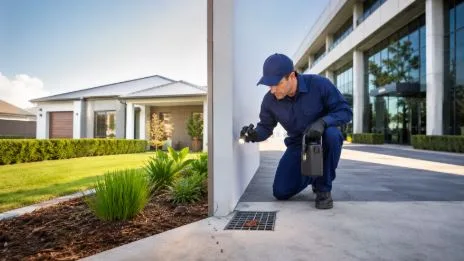
Pests can enter almost any property, regardless of how clean or well-maintained it appears. A small opening near a pipe, a leaking tap, uncovered food, or an overgrown garden may be enough to attract insects and rodents. Once inside, these unwanted visitors can damage property, contaminate food, interrupt business activities, and create health concerns.
Effective Pest Control is not limited to spraying chemicals after a problem becomes visible. It involves identifying the pest, finding the source of the infestation, removing conditions that support it, and preventing future entry. This guide explains how homeowners and business operators can protect their properties through practical prevention, timely treatment, and professional support.
Why Pest Problems Should Never Be Ignored
A minor pest issue can develop into a serious infestation surprisingly quickly. Many common pests reproduce rapidly and remain hidden inside wall cavities, ceilings, cupboards, drains, or storage areas. By the time they are noticed, their population may already be established.
Rodents can chew electrical wiring, insulation, timber, packaging, and stored products. Termites may weaken important structural elements without leaving obvious surface damage. Cockroaches and flies can spread bacteria across food preparation areas, while mosquitoes, fleas, and ticks may expose people and animals to illness.
Businesses face additional risks. A visible pest can damage customer confidence, lead to negative reviews, contaminate stock, and create problems during health inspections. Early action usually reduces treatment costs and prevents unnecessary disruption.
Common Pests Found in Homes and Workplaces
Different pests are attracted to different environments. Correct identification is important because a treatment that works for one species may have little effect on another.
Common property pests include:
- Ants searching for food, water, or nesting areas
- Cockroaches hiding in kitchens, drains, appliances, and storage spaces
- Rats and mice nesting near warmth and accessible food
- Termites feeding on timber and cellulose-based materials
- Spiders building webs in quiet, sheltered locations
- Mosquitoes breeding around standing water
- Fleas living in carpets, bedding, furniture, and pet areas
- Bed bugs hiding in mattresses, bed frames, and luggage
- Wasps nesting beneath roofs, inside walls, or around gardens
- Flies gathering near waste, food, and organic material
Recognizing the type of pest allows the right inspection and treatment method to be selected. It also helps determine whether the problem can be handled safely or requires professional attention.
Warning Signs of an Infestation
Pests often leave evidence before they are seen directly. Paying attention to unusual changes around a property can help detect activity early.
Droppings, scratch marks, damaged packaging, unpleasant smells, grease marks, shed skins, insect wings, and unexplained noises may indicate an infestation. Small piles of timber dust can suggest wood-boring insects, while mud tubes around foundations may point to termite activity.
Homeowners should also inspect dark, warm, and rarely disturbed areas. These include spaces beneath sinks, behind refrigerators, inside roof voids, around hot-water systems, and near stored boxes. In commercial properties, loading areas, waste zones, kitchens, staff rooms, and storerooms deserve regular attention.
Repeated sightings during daylight can be especially concerning. Many pests are normally active at night, so daytime appearances may indicate that their hiding areas have become overcrowded.
How to Prevent Pests Indoors
Prevention begins by removing access to food, water, shelter, and entry points. Consistent everyday habits can make a property far less attractive to pests.
Store food in sealed containers and clean crumbs or spills without delay. Empty bins regularly, use secure lids, and avoid leaving dirty dishes overnight. Pet food should not remain uncovered for long periods, particularly after dark.
Moisture control is equally important. Repair dripping taps, leaking pipes, damaged gutters, and areas affected by condensation. Kitchens, bathrooms, laundries, and basements should remain dry and properly ventilated.
Inspect doors, windows, vents, pipe openings, and wall cracks. Install screens where appropriate and replace damaged seals. Because mice can enter through very small gaps, even minor openings should be repaired.
Clutter provides protected nesting and hiding places. Reduce piles of paper, unused packaging, old furniture, and cardboard boxes. Items that must be stored should be placed in strong containers and kept slightly away from walls.
Protecting Gardens and Outdoor Areas
The condition of the outdoor environment strongly influences pest activity indoors. Trees, shrubs, waste, and standing water can provide pests with food and shelter close to the building.
Trim branches that touch roofs, balconies, or exterior walls. Keep garden beds maintained and avoid placing thick vegetation directly against foundations. Firewood should be stored above ground and away from the main structure.
Remove water from blocked drains, plant trays, buckets, toys, and unused containers. Swimming pools and water features should be maintained correctly. These measures can significantly reduce mosquito breeding.
Outdoor bins should have secure lids and be cleaned periodically. Compost areas require careful management because exposed food scraps can attract rodents, flies, and cockroaches. Regularly inspect sheds, fences, roof edges, and outdoor furniture for nests or signs of movement.
Pest Control Requirements for Businesses
Commercial environments usually require a more organized approach because they serve employees, customers, suppliers, and regulators. Restaurants, hotels, warehouses, offices, healthcare facilities, retail stores, and manufacturing sites each face different pest pressures.
A written Pest Control plan should identify inspection schedules, high-risk areas, reporting procedures, treatment records, and staff responsibilities. Employees must know how to report sightings and should understand that early reporting protects the business.
Food-related businesses need strict cleaning and stock-rotation practices. Deliveries should be checked before products enter storage areas. Shelves must remain accessible for cleaning and inspection, while damaged goods should be removed immediately.
Working with an experienced provider such as Aussie Pest Strike can help businesses establish treatments suited to their premises and operating needs. Professional documentation may also support audits, internal reviews, and compliance requirements.
Why Do-It-Yourself Treatments May Fall Short
Store-bought traps, sprays, and baits can help with small, isolated problems. However, they often treat visible pests without addressing hidden nests, breeding sites, or access points.
Incorrect product placement may reduce effectiveness and expose children, pets, staff, or customers to unnecessary risk. Some insects can also scatter into other areas when unsuitable chemicals are applied. This can make the infestation harder to locate and control.
Termites, bed bugs, large wasp nests, repeated rodent activity, and widespread cockroach infestations usually require professional assessment. A trained technician can identify the species, evaluate the extent of the problem, and select a treatment based on the building and surrounding environment.
What to Expect from a Professional Inspection
A thorough inspection should cover both the interior and exterior of the property. The technician may examine roof spaces, kitchens, bathrooms, storage rooms, gardens, foundations, drains, entry points, and moisture-prone areas.
After identifying the problem, the provider should explain:
- Which pests are present
- Where they are entering or nesting
- What conditions are supporting the infestation
- Which treatment method is recommended
- Whether preparation is required
- How long the treatment may take
- What follow-up visits or monitoring may be needed
Reliable Pest Control should include clear communication rather than treatment alone. Property owners should understand what is being applied, which precautions to follow, and how they can reduce the likelihood of another infestation.
Choosing a Reliable Pest Management Provider
Price matters, but it should not be the only consideration. Look for a provider with suitable licensing, practical experience, clear service terms, and appropriate insurance. Ask whether technicians are trained to handle the particular pest affecting your property.
A trustworthy company will inspect the site before making unsupported promises. It should explain the recommended process, possible limitations, safety requirements, and expected outcomes in straightforward language.
Customer feedback can provide useful insight, but reviews should be considered alongside professional credentials and service quality. For businesses, the provider should also be able to offer treatment reports and scheduled monitoring when required.
Building Long-Term Protection
Successful Pest Control is an ongoing process built around prevention, observation, and timely action. Even after treatment, properties should be checked regularly for new gaps, moisture problems, damaged screens, droppings, nests, or unusual activity.
Homeowners can include pest checks in seasonal maintenance routines. Businesses should combine scheduled professional inspections with daily cleaning and staff reporting. Records of sightings and treatments can reveal patterns, making future problems easier to manage.
The most effective approach is simple: keep the property clean, reduce moisture, block entry points, maintain outdoor areas, and respond quickly to warning signs. With consistent care and suitable professional assistance, homes and businesses can remain safer, healthier, and far less welcoming to unwanted pests.