The Complete Guide to Physiotherapy: Pain Relief, Injury Recovery, Mobility and Long Term Physical Health
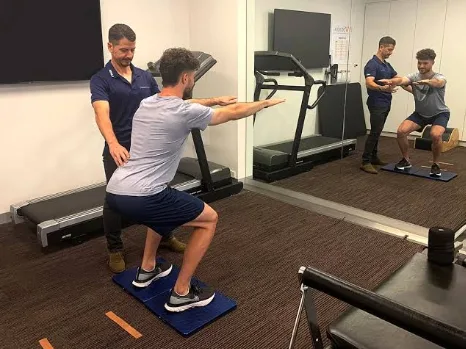
Physical health influences nearly every part of daily life, from walking comfortably and working productively to enjoying exercise and spending time with family. When pain, stiffness, or an injury affects these activities, professional physiotherapy can help people understand their symptoms and work towards better movement. For individuals seeking an adelaide physio, understanding the different approaches to treatment can make it easier to choose suitable care and take an active role in recovery.
Physiotherapy is not limited to athletes or people recovering from major injuries. It can also support office workers experiencing neck discomfort, older adults wanting to maintain independence, and people managing ongoing joint or muscle problems.
The goal is to improve physical function through assessment, education, movement, exercise, and individualised treatment. Rather than focusing only on temporary symptom relief, physiotherapy often addresses the activities, physical demands, and movement patterns that influence a person’s condition.
Understanding Physiotherapy and Its Role in Everyday Health
Physiotherapy is a healthcare profession concerned with movement, physical function, rehabilitation, and the management of many musculoskeletal and neurological conditions.
Physiotherapists assess how muscles, joints, nerves, and other body systems contribute to movement. They use this information to develop treatment plans based on individual needs.
For example, two people experiencing knee pain may require different approaches. One may have developed symptoms after increasing their running distance, while another may experience discomfort when climbing stairs because of reduced muscle strength or joint-related changes.
A physiotherapist considers these differences before recommending suitable treatment.
What Happens During a Physiotherapy Assessment?
An initial assessment generally begins with a conversation about symptoms, medical history, daily activities, and personal goals.
The physiotherapist may ask when symptoms started, what makes them better or worse, and whether they interfere with sleep, work, exercise, or other activities.
A physical examination may then assess:
- Joint movement and flexibility
- Muscle strength and endurance
- Balance and coordination
- Walking and functional movement
- Areas of discomfort or sensitivity
- Activities that reproduce symptoms
The findings help guide a treatment plan. Where symptoms suggest a condition requiring medical investigation, the physiotherapist may recommend further assessment by an appropriate healthcare professional.
How Physiotherapy Supports Pain Management
Pain can affect confidence, sleep, concentration, and physical activity. When discomfort continues, some people begin avoiding movements they previously enjoyed.
Physiotherapy aims to improve a person’s understanding of pain while supporting comfortable and confident movement.
Treatment may involve therapeutic exercises, activity modification, education, and selected hands-on techniques.
Managing Back Pain
Back pain is one of the common reasons people seek physiotherapy.
It may develop after a sudden increase in physical activity, prolonged sitting, lifting, or other everyday demands. In some cases, there is no single identifiable cause.
Physiotherapy for back pain often focuses on maintaining appropriate activity, improving strength, and gradually rebuilding confidence in movements that have become uncomfortable.
A treatment plan may include exercises for the trunk, hips, and surrounding muscles, along with practical advice about work and daily activities.
Managing Neck and Shoulder Discomfort
Neck and shoulder symptoms can interfere with driving, computer work, lifting, and sleeping comfortably.
A physiotherapist may assess shoulder mobility, neck movement, muscle strength, and the demands of a person’s daily routine.
For someone who works at a computer, treatment might include movement breaks, strengthening exercises, and adjustments to workstation habits.
For a person who regularly lifts heavy objects, rehabilitation may focus on shoulder strength, control, and gradually increasing tolerance for physical tasks.
The aim is to make everyday activities more manageable.
Physiotherapy for Sports Injuries
Sports participation provides valuable physical and social benefits. However, training, competition, and sudden changes in activity can sometimes lead to injuries.
Sports physiotherapy supports people who want to recover and return to their chosen activities.
Common concerns include ankle sprains, muscle strains, tendon pain, knee injuries, and shoulder problems.
Why Rehabilitation Should Be Individualised
A recreational runner recovering from calf pain has different physical demands from a football player returning after a knee injury.
Even when two people have similar diagnoses, their rehabilitation plans may differ because of their fitness levels, training schedules, symptoms, and personal goals.
An individualised program helps match exercises to the activities a person wants to resume.
The Importance of Progressive Rehabilitation
Recovery often involves gradually increasing physical demands.
Early rehabilitation may focus on comfortable movement and restoring basic function. As symptoms and physical capacity improve, exercises can become more challenging.
Later stages may involve strength training, balance activities, running, jumping, or sport-specific movements.
Progress is guided by the type of injury, clinical findings, and the person’s response to activity rather than a fixed timetable.
Improving Mobility, Strength and Flexibility
Mobility is important for everyday tasks such as reaching overhead, bending, walking, and getting in and out of a chair.
Reduced mobility can develop after injury, periods of inactivity, surgery, or certain health conditions.
Physiotherapy can help identify which movements need attention and whether strength, joint mobility, coordination, or confidence is affecting performance.
Building Functional Strength
Functional strength refers to the ability to use muscles effectively during daily activities.
A person who finds stairs difficult may benefit from exercises that develop leg strength and balance.
Someone returning to gardening may need to build tolerance for bending, carrying, and working in different positions.
The most useful exercises are those that match the person’s goals and current ability.
Understanding Flexibility
Flexibility describes how far muscles and joints can move comfortably.
Stretching may be useful in some rehabilitation programs, but it is not always the main solution.
Sometimes reduced movement is related to pain, muscle weakness, or a lack of confidence rather than shortened muscles.
A physiotherapist can help determine which approach is appropriate.
The Value of Physiotherapy for Older Adults
Maintaining movement and independence becomes increasingly important with age.
Activities such as walking, shopping, gardening, and visiting friends all depend on a combination of strength, balance, and mobility.
Physiotherapy can support older adults who want to remain active and confident.
Treatment may focus on leg strength, walking ability, balance, joint function, and practical movements such as standing from a chair.
Supporting Balance and Confidence
Balance involves the coordination of vision, muscles, joints, and the nervous system.
Changes in any of these areas can affect stability.
A physiotherapist may assess walking patterns and balance before recommending suitable exercises.
These programs can help improve physical capacity and may form part of a broader falls-prevention strategy.
Maintaining Independence
The benefits of rehabilitation are not always measured by athletic performance.
For some people, meaningful progress means being able to walk to a nearby shop, use stairs more comfortably, or continue participating in family activities.
Individual goals make physiotherapy more relevant to everyday life.
Physiotherapy and Recovery After Surgery
Some surgical procedures require structured rehabilitation to restore movement, strength, and function.
The appropriate program depends on the operation, the surgeon’s instructions, and the person’s overall health.
After certain orthopaedic procedures, physiotherapy may involve mobility exercises, progressive strengthening, walking practice, and a gradual return to normal activities.
Close communication between healthcare professionals can help ensure that rehabilitation follows the relevant medical precautions.
Recovery timelines vary, and exercises should be adjusted to the person’s stage of healing.
The Importance of Patient Education
One of the most valuable parts of physiotherapy is helping people understand their condition.
When patients know why an exercise has been recommended and how it relates to their goals, they can participate more actively in rehabilitation.
Education may cover activity management, exercise technique, symptom monitoring, and ways to build physical capacity over time.
For someone returning to running, this could mean learning how to increase training gradually.
For an office worker, it may involve understanding the benefits of changing positions and incorporating regular movement.
Good communication helps turn treatment into a practical plan that fits everyday life.
Choosing Physiotherapy Services in Adelaide
Choosing a physiotherapist involves more than finding a convenient appointment.
Patients may benefit from considering the practitioner’s experience, clinical interests, treatment approach, and ability to explain rehabilitation clearly.
Someone recovering from a sporting injury may prefer a practitioner with experience in sports rehabilitation. Another person may need support with neurological rehabilitation, pelvic health, or mobility concerns associated with aging.
When comparing physio adelaide services, it can be useful to look for an approach that combines careful assessment, individualised treatment, and practical guidance.
A supportive physiotherapy experience should allow patients to ask questions, understand their goals, and participate in decisions about their care.
Frequently Asked Questions
Can physiotherapy help with long-term pain?
Physiotherapy may help people with persistent pain improve movement, strength, confidence, and everyday function. Treatment depends on the individual condition and may involve coordination with other healthcare professionals.
Is physiotherapy only for people with injuries?
No. Physiotherapy can also support mobility, balance, rehabilitation after surgery, physical function, and the management of certain ongoing health conditions.
How many physiotherapy sessions will I need?
The number of appointments varies according to the condition, its severity, personal goals, and response to treatment. A physiotherapist can discuss a suitable plan after assessment.
Can I exercise while attending physiotherapy?
Many people can continue suitable physical activities while receiving treatment. The type and intensity of exercise may need to be adjusted according to symptoms and clinical advice.
What should I wear to a physiotherapy appointment?
Comfortable clothing that allows movement and access to the area being assessed is generally helpful.
Final Thoughts
Physiotherapy can play an important role in helping people manage pain, recover from injuries, improve mobility, and maintain an active lifestyle. Its greatest value often comes from combining professional assessment with individualised rehabilitation, practical education, and meaningful personal goals.
Whether someone wants to return to sport, move more comfortably at work, or maintain independence as they age, the right support can help them make steady progress. People exploring physio adelaide services can learn more about the physiotherapy and rehabilitation options available through Pro Health Care and consider which approach best suits their individual needs.