The Costly Mistake Riders Make When Buying Mountain Bike Tires
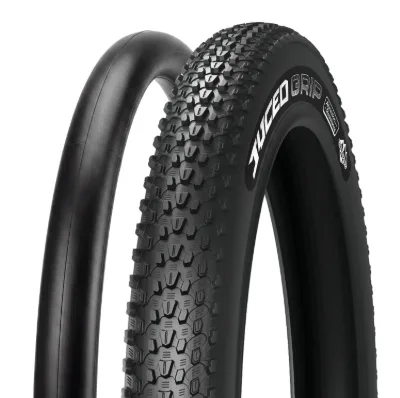
Somewhere between checking out a bike shop’s website and clicking buy, plenty of riders make the same mistake: they shop by tread photo alone. A tire that looks aggressive in a product image doesn’t necessarily perform that way once it’s mounted and running at the pressure and load your bike actually puts on it. The gap between how a tire looks and how it rides is where a lot of wasted money and disappointing rides come from.
This piece looks at the specific assumptions that lead riders astray, and what to check instead before adding a tire to your cart. None of it requires specialized knowledge, just a shift in what you pay attention to during the buying process.
Assuming Aggressive Tread Always Means Better Grip
Tall, widely spaced knobs look intimidating and fast in photos, which is exactly why they sell well online. But that same tread pattern can feel vague and slow on hardpack or paved connector sections, where the gaps between knobs mean less rubber is actually in contact with the ground at any given moment. Riders who buy the most aggressive-looking option without checking their actual trail conditions often end up with a tire that’s a poor match for where they ride most of the time.
Before buying based on looks, think through the terrain you ride on a typical week. If most of it is packed dirt with occasional loose sections, a moderate tread will likely outperform an extreme one, even though it looks less dramatic sitting on the shelf.
Ignoring How Pressure Changes the Whole Equation
A common follow-up mistake is running new tires at whatever pressure the old ones used, without adjusting for differences in casing stiffness or width. This single oversight can make an otherwise well-matched tire feel harsh, sluggish, or unpredictably grippy. Every tire has its own sweet spot, and skipping the adjustment period means you’re never really testing the tire you paid for.
Overlooking Casing Durability to Save Weight
Lightweight tires are appealing, especially for riders focused on climbing efficiency or all-day distance rides. But shaving grams by choosing the thinnest available casing often backfires on rocky or root-heavy trails, where punctures and sidewall damage become far more likely. The cost of a flat mid-ride, in time and frustration, usually outweighs the marginal weight savings.
A more reliable approach is matching casing weight to trail difficulty rather than defaulting to the lightest option available. Save the ultralight casings for smooth, groomed trails, and reach for a reinforced build when the terrain gets technical.
Buying the Same Tire Twice Without Checking for Updates
Tire lineups change more often than riders expect, and reordering the same model name doesn’t always mean getting the same tread compound or casing as before. Manufacturers update formulas and constructions, sometimes keeping the name but changing the ride characteristics. It’s worth a quick check on current specs before assuming a repeat purchase will feel identical to the last one.
Not Accounting for Compound Trade-offs
Compound choice is where a lot of buyer’s remorse originates. A soft, grippy compound feels fantastic in the parking lot test roll but wears down noticeably faster over a season of regular riding. Riders who don’t factor in their annual mileage sometimes find themselves replacing tires far sooner than budgeted, simply because they optimized for grip without considering longevity.
Juceo’s approach to compound formulation aims to reduce that trade-off, giving riders a dependable middle ground rather than forcing a choice between short-lived grip and long-lasting but harder rubber. When comparing options in a mountain bike tire lineup, weighing expected mileage alongside grip performance leads to fewer regrets down the line.
Taking a few extra minutes to think through these trade-offs before checkout costs nothing, but it can save an entire season’s worth of frustration with a tire that never quite fit your riding.
Buying Smarter the Second Time Around
Most tire-buying mistakes come down to optimizing for the wrong variable, looks over grip, weight over durability, or habit over updated specs. None of these are hard to avoid once you know to look for them, and the fix is usually just a matter of asking a few more questions before clicking purchase.
Next time you’re shopping, slow down long enough to match tread, casing, and compound to your actual riding conditions. It’s a small shift in approach that pays off every time you hit the trail.