The Cozy Layer Every Bedroom Is Missing
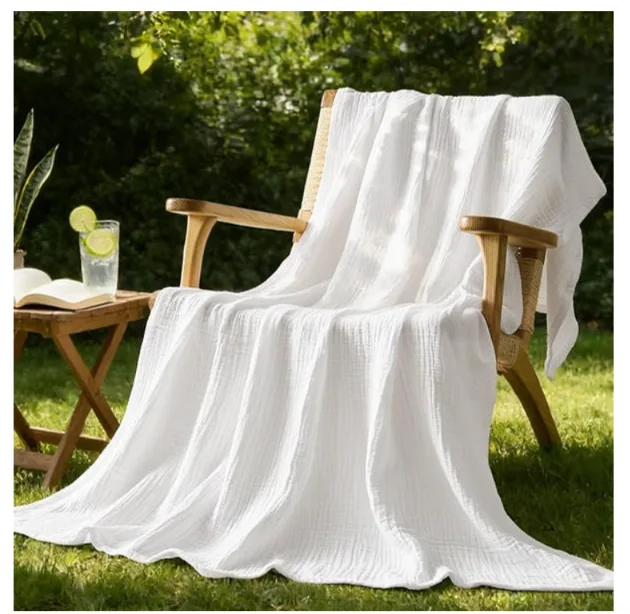
Somewhere between a top sheet and a heavy duvet, there’s a layer many bedrooms skip entirely: the blanket. It’s the piece that adds texture to a made bed, extra warmth on a chilly night, and the kind of coziness that turns a functional bedroom into a place you actually want to relax in. Yet blankets often get treated as an afterthought, tossed on top without much consideration for material, weight, or how they’ll actually get used.
Whether draped over the foot of the bed for style, folded on a couch for movie nights, or used as the primary layer during warmer months, blankets serve double duty in ways that sheets and comforters simply can’t match. Picking the right one comes down to understanding how weight, fabric, and weave affect both comfort and everyday practicality.
Why Blanket Weight and Weave Matter More Than You Think
A blanket that’s too heavy for the season becomes something you kick off halfway through the night, defeating its purpose entirely. Lightweight muslin and waffle weaves allow airflow to pass through the fabric, making them ideal for layering in warmer months or for anyone who tends to sleep hot regardless of the season.
Heavier knit and fleece options trap warmth more effectively, making them better suited as a primary layer during colder months or in bedrooms that run cool overnight. Weave structure also affects durability, since tighter weaves tend to resist snagging and pilling better than loose, open knits over years of regular washing.
Matching Blanket Types to How You Actually Sleep
Not every household uses blankets the same way, and matching the type to your habits makes a noticeable difference in comfort. People searching for bed blankets often discover that the style they picture, like a chunky knit throw, isn’t always practical for actual nightly use versus decorative accent pieces.
Cooling Blankets for Hot Sleepers
Cotton waffle weaves stand out for their breathability, using a textured surface that increases airflow compared to flat weaves. These work well as a standalone layer in summer or as a light addition under a heavier comforter during shoulder seasons.
Textured Knit Blankets for Style and Warmth
Farmhouse-style knit throws bring visual texture to a bed while adding a moderate layer of warmth. They’re often favored for their appearance as much as their function, working as a folded accent at the foot of the bed or as a light cover for lounging.
Fluffy and Fleece Blankets for Maximum Coziness
When warmth is the top priority, higher GSM (grams per square meter) fleece blankets deliver a plush, insulating feel that’s hard to match with woven cotton alternatives. These work especially well in bedrooms without strong heating or for anyone who simply prefers a heavier, wrap-around feel while sleeping.
Bedelite’s fleece options are designed with this exact use case in mind, offering a dense, soft finish that holds up to regular washing without losing its plush texture over time.
Blankets Beyond the Bedroom
Travel blankets with built-in carrying bags extend the usefulness of a good blanket well past the bedroom. Compact, packable designs make it easy to bring familiar comfort along for flights, road trips, or outdoor gatherings where a lightweight cover makes a real difference in comfort.
Choosing a blanket that can move between the bedroom and other parts of daily life adds practical value beyond just filling space on top of a made bed.
Finding the Right Blanket for Every Season and Use
The right blanket does more than complete a bed’s look. It adjusts to how warm or cool you sleep, adapts across seasons, and can even travel beyond the bedroom when the right design allows for it. Weight, weave, and fabric all play a role in whether a blanket becomes a nightly essential or an unused decoration.
Taking a little extra time to match a blanket to actual sleep habits, rather than just visual appeal, leads to a piece that earns its place on the bed year-round instead of sitting folded and forgotten in a closet.