The Cross-Border Returns Crisis: Saving E-Commerce Profit Margins through Localized Reverse Logistics
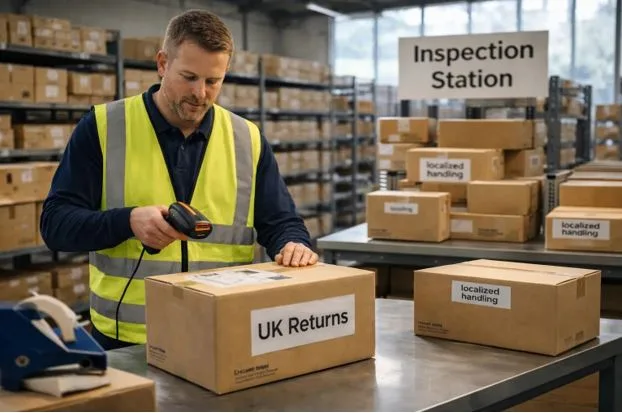
In today’s fast-evolving economic landscape, international e-commerce growth faces a significant challenge. While cross-border e-commerce continually expands, the escalating cost of international returns is a silent drain on profits, affecting global brands on platforms like Shopify and TikTok Shop. This article delves into strategies for efficient cross-border returns to preserve profit margins through localized reverse logistics.
Understanding the Rising Costs of International Returns
Retailers shipping from the United States, Europe, or Asia to the United Kingdom face challenges beyond just acquiring customers. The real test lies in the efficiency of reverse logistics. Handling international returns effectively is crucial for avoiding revenue losses and maintaining profitability in cross-border commerce.
Financial Implications of Blind Refunds
The traditional cross-border dropshipping model struggles with modern consumer expectations. For UK consumers returning garments bought from international e-commerce stores, logistics complications abound. High international shipping costs often lead to the offering of blind refunds—where items aren’t returned physically. While this saves on shipping costs, it increases the risk of refund fraud and unsustainable wardrobing practices.
Shifting towards Localized Customer Returns Management
Surviving the tight profit margins of 2026 requires international sellers to pivot toward localized customer returns management. By partnering with local 3PL hubs, brands can establish domestic U.K. addresses for returns, boosting buyer confidence and shielding sellers from volatile international shipping rates.
Send2Hub: A Scalable Reverse Logistics Solution
As international merchants seek infrastructure to support this shift, specialized fulfillment centers are rising to the occasion. According to operations experts at Send2Hub, a UK-based logistics hub, the key to surviving 2026 is moving away from blind refunds.
“By allowing international brands to leverage a domestic U.K. address, facilities like Send2Hub visually inspect and grade returns on local soil, preventing massive revenue losses,” notes a Send2Hub representative. This localized approach helps international brands function as efficiently as domestic retailers, dramatically reducing cross-border e-commerce return costs and optimizing reverse logistics.
The Strategic Advantage of Repackaging and Return Consolidation
Innovation at localized facilities includes repackaging and return consolidation. Items are inspected and restored to sellable quality, reducing international logistics costs. If items cannot be resold domestically, bulk shipments back to manufacturers instead of daily individual returns can cut freight costs by up to 70%.
Adaptability: The Key to Navigating the 2026 Market
In an unpredictable global supply chain landscape, e-commerce success isn’t just about marketing. It’s about operational resilience and adaptability. Brands that outsource reverse logistics to specialized domestic partners can optimize operations globally, maintaining efficient cross-border commerce.
Conclusion: Maintaining Profit Margins Amidst a Cross-Border Returns Crisis
The cross-border returns crisis is driving considerable changes in e-commerce logistics. By embracing localized logistics strategies and understanding reverse logistics, brands can maintain profitability and manage the hidden costs of international returns. This transition represents a crucial adjustment in the evolving e-commerce landscape.
For further insights, consider visiting authoritative sources on reverse logistics like Cross-Border Magazine and DHL to explore how leading brands navigate reverse logistics challenges.