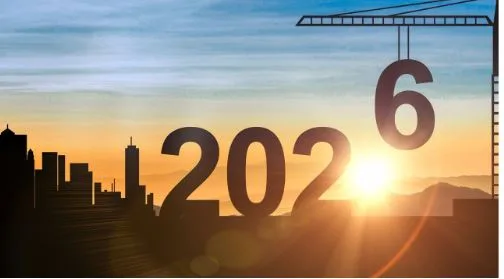
The Dawn of a New Age in 2026 for Real Estate – D. Sidney Potter
The general consensus amongst many market makers in 2026 is a carbon copy of 2025, but slightly more tempered. Nothing wrong with a more somber and palliated forecast, given the heretical nature of 2025, which saw many unforeseeable events. Even jaded fellows such as myself were impressed. To name a few surprises in 2025, that likely won’t make a reappearance in 2026 include the following: Given the excessive near hypnotic hoopla over Artificial Intelligence, the acceleration of this tech science was unprecedented this past year and was predictable vulnerable to cyber threats. Other outliers include a late surge in buyer activity in Fall 2025 (no one saw that coming, despite high interest rates), the increasing costs of home owner costs as result of climate change (think insurance costs), the rise of geopolitical events affecting buyer behavior
Real Estate Outlook in Commercial
Here’s a bullet list of top highlights to expect in the year 2026 of the year of our good Lord over the next 12 months – God willing. And in the light of divine positivity, commercialism is discussed first given the sedate nature of residential in 2026, as noted above. Here goes for commercial:
Overall Sentiment: Increased confidence and optimism across the industry, with expectations for stronger fundamentals, returning capital, and better operating environments.
Office Market: Turning a corner, with demand focusing on premium Class A spaces as attendance stabilizes, while lower-tier properties struggle.
Industrial & Logistics: Continued e-commerce driver, with supply slowing and vacancy rates expected to tighten after peaking mid-2026.
Data Centers & Digital Infrastructure: The top investment area, fueled by the AI boom.
*Multifamily: Facing near-term headwinds from record new supply, leading to softer rental growth despite strong underlying demand.
Retail: Fundamentals remain solid with low vacancy and steady rent growth, particularly in quality spaces. (Source: Deloitte & Touche 2026 Commercial Real Estate Outlook)
Market Outlook in Residential
Fortunately, and to lighten the mode a bit, it’s not as if residential real estate is expected to go to Hell in a Handbasket, per se. As a disclaimer, not certain why the religious overtone for this year’s predications, since real estate is fairly agnostic. Could it be because of the time of year? Since forecasts happen to be made during a religious themed month that includes the likes of Christmas, Kwanzaa and Hanukkah.
But here goes, and in the interest of brevity, more bullet points:
Buyers: More negotiating power, better selection, but still need significant savings for down payments.
Sellers: More competition, requiring realistic pricing and potentially offering concessions.
Home Prices: Expect slow, modest appreciation (Zillow: +1.2%, Redfin: +1%, Realtor.com: +2.2%), as supply slowly catches up, preventing sharp declines.
Inventory: A gradual increase in available homes is expected, though still below pre-pandemic levels nationally, creating more balanced conditions.
Affordability: Improving affordability is anticipated as wage growth potentially outpaces price hikes, though high rates remain a hurdle.
Sales: A modest increase in home sales is forecast as the market becomes less “stuck,” with more choice for buyers. (Source: Zillow Market Research Real Estate Data – 2026)
Summary
Despite a tranquil and placid forecast for residential in 2026, there will be more movement in some areas, given sales are expected to rise, and the downward trend of interest rates, the pricing on residential products will slow down. Commercial on the other hand is a whole different ball of wax, where can can expect whole otta hollering from the back pews raise, as buyers will raise prices and more trades will be at a record high. Until then, rest easy and pray to the real estate Gods, that there are more winners than losers over the next year. Amen.
Author Bio:Real estate writer D. Sidney Potter, is based in Southern California. He has a PhD (ABD) from the University of Arizona, a law degree (Juris Master) from Florida State University College of Law and a bachelor’s degree (BA) from Cal Poly Pomona in political science.