The Difference Between Mailing Bags, Satchels and Cartons
Do you run an e-commerce business where you regularly send goods via a postal service or courier? Running such a business can be a quick way to make a dollar, but there is so much to consider. From returns, customer service, marketing, analytics and more, you need to be across so much to make an e-commerce business viable, let alone successful. Logistics and fulfilment processes also play a significant role in maintaining smooth operations and meeting customer expectations.
One often-overlooked aspect is packaging, which plays a crucial role in both protecting products and shaping the customer’s unboxing experience. Packaging is often the first physical interaction a customer has with your brand, making it a powerful touchpoint for building both trust and perception. Part of running a successful e-commerce operation is ensuring that your goods reach their destination intact and on time. Choosing the wrong packaging can lead to damaged products, increased returns, refunds and negative reviews, all of which can harm profitability and your reputation.
As such, you need to understand the different methods used to ship goods, such as poly mailers, mailing bags, satchels and cartons. This helpful article will explain the difference between the three so you can confidently select the most suitable option for each type of product you sell.
What are Poly Mailer Bags?
While you may be familiar with plastic shipping bags, you still may not know exactly what they are made of. Mailing bags are usually made from polyethylene, a lightweight yet durable material that is resistant to moisture and handling during transit. This makes them ideal for shipping soft goods that do not require rigid protection, such as apparel, textiles or non-fragile accessories.
However, there are a few other types of plastic shipping bags available on the market for businesses to use, such as poly mailer bags. Poly mailer bags are manufactured using polypropylene, which is a distinct and more robust type of plastic. Polypropylene is stronger and more durable when compared to polyethylene and is particularly resilient to tears and punctures.
This makes poly mailers suitable for shipping heavier or sharper-edged items, such as books or small electronic devices. Many poly mailers also feature self-sealing adhesive strips, which help streamline packing processes, reduce labour time and improve efficiency for high-volume e-commerce operations. Some options are even available in recyclable or eco-conscious materials, helping businesses reduce their environmental impact.
Postage Satchels
Satchels, which are a viable alternative to poly mailer bags, are often made of thin, lightweight materials that are flexible while still providing reliable protection during travel. They are frequently used by businesses to send smaller objects that don’t need as much protection, such as clothing, accessories or compact devices. Satchels come in various sizes and designs, allowing businesses to match packaging closely to the product and reduce excess space, waste and shipping costs.
Satchel mailing bags are often more affordable than conventional poly mailers due to their lightweight construction, which can also help lower postage costs. Despite being thin, satchels tend to be more durable than standard mailing bags because they are constructed from sturdy materials such as nylon or PVC. These materials are less prone to rips, tears and punctures, helping shield their contents from damage during shipping.
Many satchels also include tamper-evident seals or locking mechanisms, making them ideal for shipping higher-value items. They are highly customisable and can be branded with logos, colours or marketing messages, allowing businesses to reinforce brand identity and create a memorable customer experience that encourages repeat purchases.
Cartons
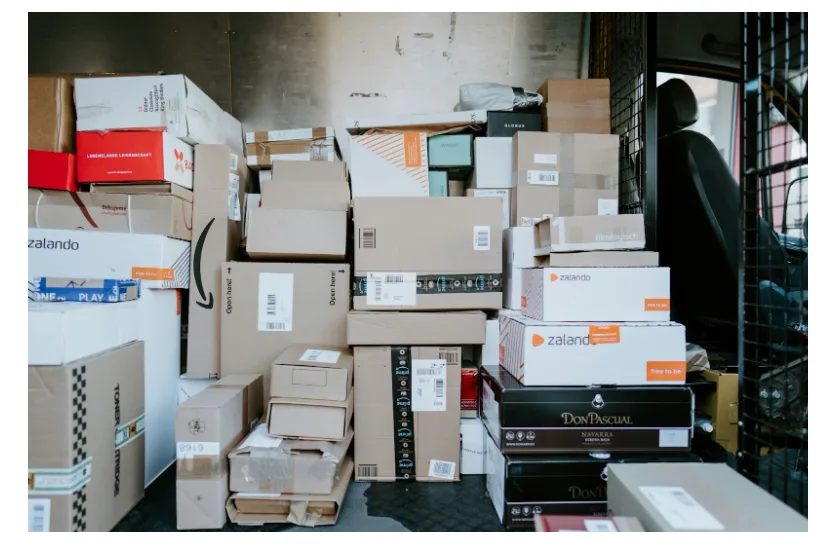
Finally, let’s discuss the other alternative to poly mailers and satchels: cardboard cartons. These sturdy boxes are one of the most common packaging solutions for e-commerce businesses and are designed to protect larger or more fragile items. Cartons are typically rectangular or square in shape and are ideal for shipping bulky goods or orders containing multiple products.
They are commonly used for items such as toys, board games, books or breakable consumer goods. Cartons are usually sealed with packing tape and combined with void fill materials like bubble wrap, paper padding or cardboard inserts to prevent movement and reduce the risk of damage during transit. While cartons may cost more to ship, they offer superior protection and are often necessary for delicate or high-value orders, helping to build customer trust in your brand.
A Shipping Summary
This article has covered the three main types of packaging used by e-commerce businesses: poly mailer bags, satchels and cartons. Each option serves a specific purpose depending on the size, weight and fragility of the goods being shipped. Choosing the right packaging not only protects your products but can also reduce shipping costs, minimise returns and enhance overall customer satisfaction. Thoughtful packaging decisions ultimately contribute to a smoother supply chain and a stronger brand reputation.