The Digital Shift in Outdoor Design: What AI Means for the Future of Residential Landscapes
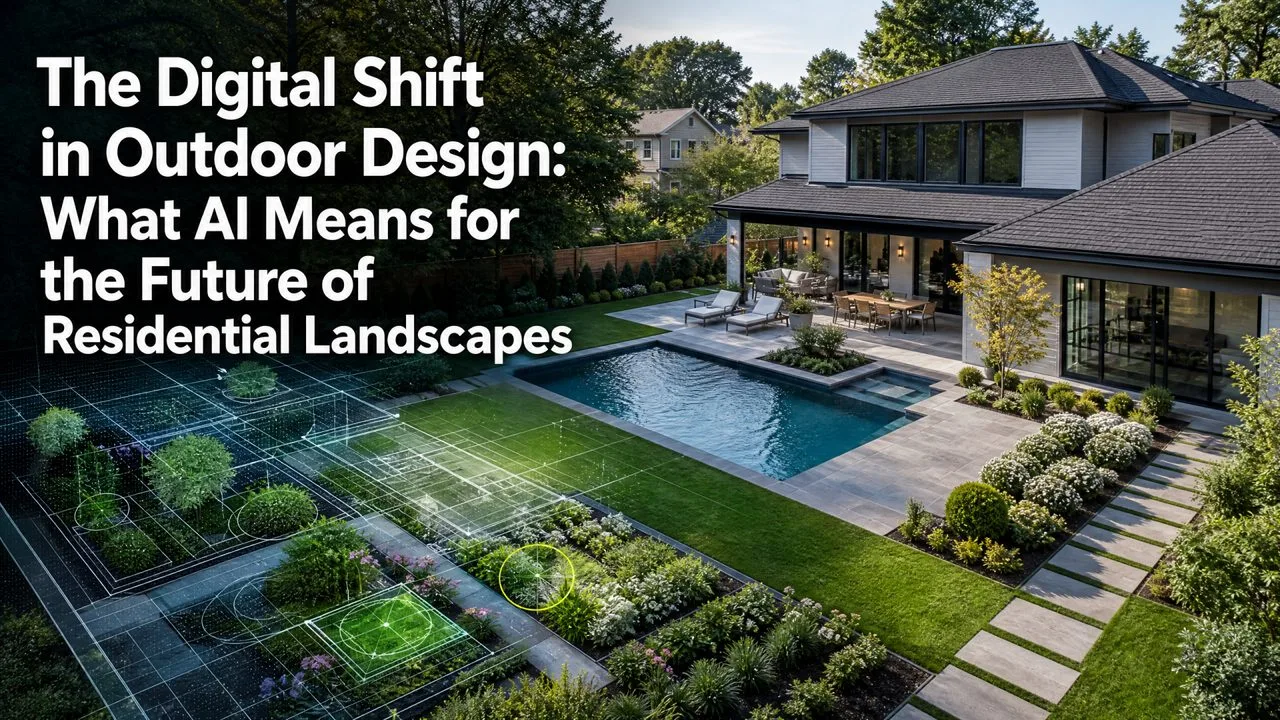
Artificial intelligence is changing the way people interact with technology, from the way they search for information to how they manage businesses and make purchasing decisions. Design is another area experiencing this shift. While AI-generated images and digital modeling have already attracted attention in architecture and interior design, residential landscaping is also beginning to benefit from these developments.
For years, planning an outdoor environment often required homeowners to collect reference photographs, consult professionals, interpret sketches, and imagine how proposed changes might look on their own property. These steps remain important, but newer digital tools are introducing additional ways to explore ideas. AI landscape design, in particular, is making it easier to experiment with visual concepts before a project moves into detailed planning.
The significance of this development goes beyond producing attractive garden images. It points toward a broader change in how residential design concepts are created, evaluated, and communicated. As the technology becomes more accessible, homeowners and design professionals are finding new ways to approach the earliest stages of landscape planning.
The Growing Role of Technology in Residential Design
From Manual References to Digital Visualization
Residential landscape planning has traditionally relied on a combination of site measurements, hand-drawn plans, photographs, and professional experience. These methods provide valuable information, but they can be difficult for people without design training to interpret.
A technical landscape plan might clearly show the position of a patio, retaining wall, or planting bed. However, a homeowner who is unfamiliar with architectural drawings may struggle to understand the final appearance. A collection of inspiration photographs presents the opposite problem: the images may be visually appealing but do not necessarily reflect the dimensions or conditions of the actual property.
Digital visualization helps bridge this gap. It allows design concepts to be represented in a form that is easier to understand and discuss. AI landscape design extends this approach by making it possible to generate and compare different visual directions from a starting photograph or description.
Why Residential Landscaping Is a Suitable Area for AI
Outdoor spaces contain many visual elements that can be explored in different combinations. Paving, lawns, trees, shrubs, garden borders, lighting, fences, and seating arrangements all contribute to the overall appearance of a property.
A relatively small change can alter the character of an entire yard. Replacing a narrow concrete path with natural stone, introducing layered planting, or changing the position of a seating area may create a noticeably different environment.
These combinations make landscaping an interesting application for visual AI tools. Users can experiment with materials, planting arrangements, and design styles without physically changing the site each time they consider a new idea.
How AI Is Changing the Landscape Design Workflow
Faster Exploration of Initial Concepts
One of the most noticeable advantages of AI-assisted visualization is the ability to explore concepts during the early stages of a project.
Imagine a homeowner with an outdated front yard. The existing space has a basic lawn, a concrete walkway, and a few scattered shrubs. The homeowner is considering a more contemporary appearance but is unsure whether to introduce gravel, structured planting beds, ornamental grasses, or a wider entrance path.
Instead of committing to one direction immediately, AI landscape design can help generate visual alternatives. A minimalist arrangement might emphasize simple geometry and limited planting. A naturalistic concept could introduce softer edges and a wider variety of textures. A Mediterranean-inspired approach might combine warm paving, drought-tolerant plants, and a shaded seating area.
These concepts do not determine the final design, but they help establish which direction deserves further attention.
More Accessible Design Comparisons
Comparing alternatives has always been part of the design process. The difficulty is that producing several detailed visual proposals can take considerable time and resources.
AI-based tools are making preliminary comparisons more accessible to ordinary homeowners. A user can explore how a garden might look with a different layout or style and use those results to refine preferences.
This is particularly useful when the project involves several competing priorities. A large patio may provide more entertainment space but leave less room for planting. A more elaborate garden may look attractive but increase ongoing maintenance. Visual comparisons can make these trade-offs easier to recognize.
Improving Communication Between Stakeholders
Landscape projects frequently involve several parties, including property owners, architects, landscape designers, installers, and suppliers. Misunderstandings can occur when people describe the same concept using different terminology.
For example, the phrase “modern natural garden” may suggest a minimalist arrangement to one person and a densely planted contemporary space to another. A visual reference makes the intended appearance easier to understand.
AI landscape design can support these early conversations by providing a shared visual starting point. Professionals can use the concept to discuss materials, proportions, planting density, and spatial relationships before preparing more detailed technical documentation.
Practical Applications Across Different Residential Spaces
Front Yard and Entrance Improvements
The front yard has a direct influence on how a home is perceived from the street. A clear walkway, balanced planting, suitable lighting, and a well-defined entrance can make a property feel more welcoming.
AI-assisted visualization can help homeowners compare different approaches. They might consider a symmetrical arrangement with clipped shrubs, a contemporary design with ornamental grasses, or a softer garden featuring flowering perennials.
The main consideration is the relationship between the house and the surrounding landscape. A design should complement the building’s architecture rather than compete with it.
Backyard Planning and Outdoor Living
Backyards often need to accommodate several activities within limited space. Dining, relaxation, gardening, children’s play, and occasional entertaining may all compete for the same area.
Digital concepts can help homeowners explore how these functions might be arranged. A patio near the kitchen may support outdoor meals, while a quieter seating corner at the far end of the yard can provide a separate place to relax.
The technology can also help users compare the visual impact of different materials and planting arrangements. However, measurements and circulation requirements still need to be checked before construction.
Small Gardens and Urban Properties
Limited outdoor space creates different design challenges. Narrow side yards, compact courtyards, and small urban gardens often require careful decisions about circulation and visual openness.
A small garden may benefit from fewer materials, vertical planting, and furniture with a compact footprint. Too many decorative elements can make the space feel crowded.
AI landscape design can help users test these ideas visually. For example, they can compare a simple paved courtyard with raised planters against a greener arrangement with stepping stones and a small seating area.
The Importance of Responsible AI Use
Visual Accuracy Is Not the Same as Technical Accuracy
Although generated concepts can look realistic, they should not automatically be treated as construction-ready plans.
An AI image may show a perfectly level patio in a location where the actual property has a significant slope. It may place large trees too close to buildings or suggest paving that does not account for drainage.
These limitations highlight the difference between visual inspiration and professional design documentation. AI landscape design is particularly useful for concept exploration, but technical decisions require accurate site information and appropriate expertise.
Environmental Conditions Must Remain Part of the Process
A successful landscape must respond to its local environment. Climate, soil, sunlight, rainfall, wind exposure, and water availability influence which plants and materials are suitable.
For instance, a planting combination designed for a humid region may not perform well in a dry climate. A garden with extensive lawn areas may also require more irrigation than a homeowner is prepared to provide.
AI visualization should therefore be combined with local horticultural knowledge. Homeowners should confirm plant suitability and environmental requirements before turning a concept into a real installation.
Privacy and Property Information Deserve Attention
Photographs of residential properties may contain identifiable details, including house numbers, neighboring homes, vehicles, or personal belongings. Anyone using digital design services should understand how uploaded images are processed and what information is retained.
Reading the provider’s privacy policy and avoiding unnecessary personal details are sensible precautions. As AI tools become more integrated into everyday design activities, transparency around data handling will remain important.
What the Future May Look Like
More Personalized Design Experiences
A major opportunity for AI-assisted design is personalization. Instead of presenting generic garden inspiration, future systems may become better at considering property dimensions, local environmental conditions, household preferences, and maintenance expectations.
A homeowner who prefers a low-maintenance garden, for example, may want a different set of visual suggestions from someone interested in growing flowers and vegetables. Better contextual understanding could make digital design experiences more relevant.
Closer Integration With Professional Design Workflows
AI is unlikely to replace the technical knowledge required for complex landscape projects. However, it may become a useful supporting tool for professionals who need to communicate concepts or explore alternatives with clients.
Designers could use preliminary visualizations to discuss preferences before moving into detailed drawings, planting schedules, material specifications, and construction documentation.
This could make early consultations more productive while preserving the value of professional judgment.
A More Informed Homeowner
Technology may also change the role homeowners play in design decisions. People who can visualize several alternatives may arrive at professional consultations with clearer preferences and more focused questions.
Rather than asking a designer to create something entirely from scratch, they may be able to explain which layouts, materials, and styles appeal to them. This does not eliminate the need for expertise; it creates a better foundation for collaboration.
Technology Is Expanding the Possibilities of Landscape Design
The development of AI in residential landscaping reflects a larger movement toward more accessible and visual design processes. AI landscape design gives homeowners an opportunity to explore different concepts, compare styles, and communicate ideas before making significant investments.
Its value is not simply the speed at which an image can be generated. The more meaningful benefit is the ability to consider alternatives that might otherwise remain difficult to imagine.
As the technology develops, the relationship between digital visualization and professional landscape planning will likely become more closely connected. Practical site assessment, horticultural knowledge, and thoughtful design will remain essential. AI landscape design can contribute by making the creative stages easier to explore and understand, helping more people approach their outdoor projects with informed expectations.