The Digital Transition: How Established Brands Drive the Modern Entertainment Economy
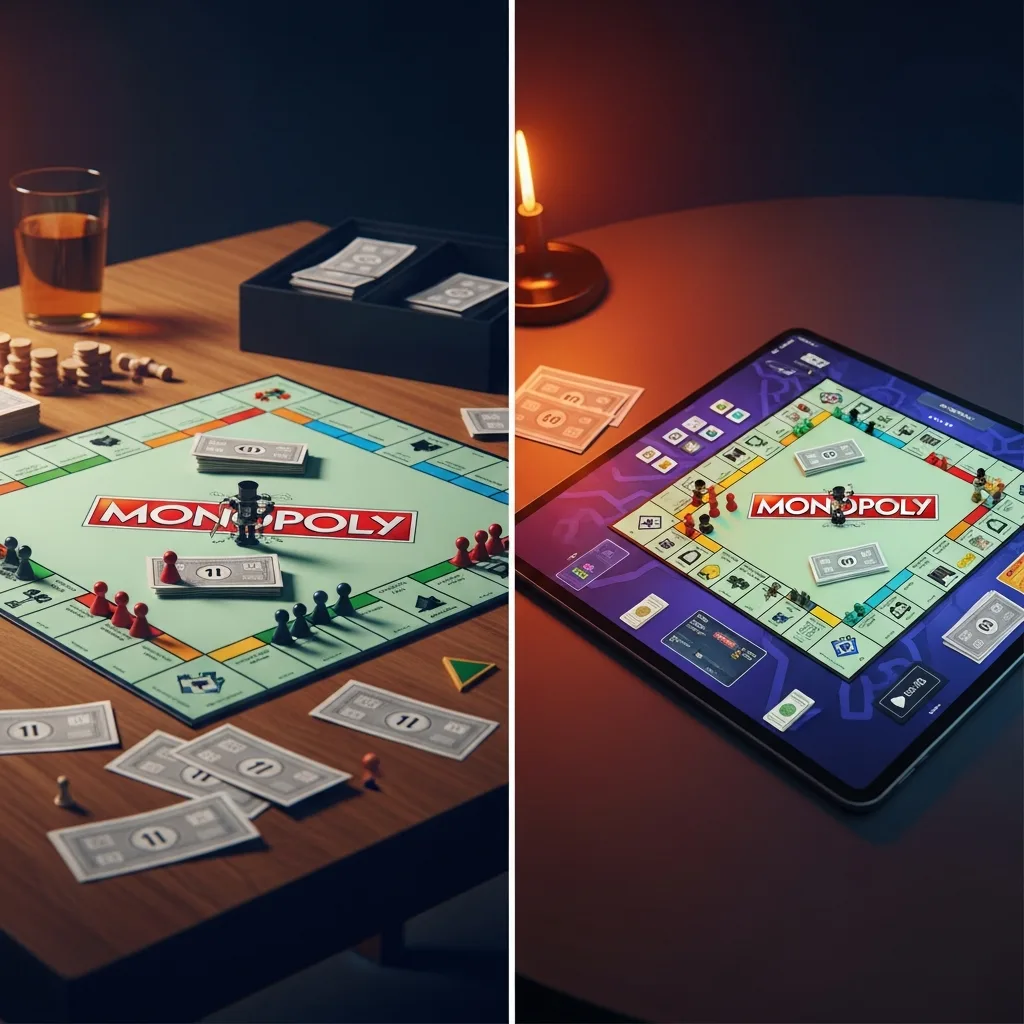
Have you ever noticed how often the things we loved as kids seem to follow us into adulthood, just in a slightly different format? Whether it’s a film remake or a classic board game appearing on your smartphone, there’s a reason why these familiar names keep popping up. The way we consume entertainment has shifted massively over the last few years, and at the heart of this change is something the experts call “Heritage IP” or Intellectual Property. It sounds a bit corporate, doesn’t it? But really, it’s just a fancy way of saying that the brands we’ve known for decades are reinventing themselves for the digital age.
This isn’t just a coincidence or a lack of new ideas. It’s a calculated, global economic shift. As the world becomes more connected, the biggest names in entertainment are moving away from physical products alone and towards vast digital ecosystems. This pivot is about more than just survival; it’s about how these brands are anchoring themselves in a world where our attention is the most valuable currency there is.
The Macro-Economic Shift: Why Heritage Brands are Going Digital
If we look at the big picture, the global economy has undergone a pretty radical transformation. A few decades ago, a brand might have been content with being a household name in the UK or the US. Nowadays, that’s not enough. To thrive, these companies have to think globally, and the easiest way to reach everyone at once is through digital platforms.
I find it fascinating how legacy brands, some of which are over a century old, have managed to navigate this. They’ve had to figure out how to take a physical experience, something you can touch and feel, and translate that into a screen-based interaction without losing the “soul” of the brand. This digital pivot is largely driven by the fact that global markets are now so interconnected. A brand that’s popular in London can be just as successful in Tokyo or New York, provided it has the digital infrastructure to support it.
We’re seeing a move away from “one-off” purchases. Think back to when you’d buy a board game, and that was it. The company made their money, and you had the box on your shelf. Today, that same brand wants to be part of your daily life. They want to offer you an experience that evolves, whether through mobile apps, online communities, or interactive platforms. It’s a shift from a product-based economy to an experience-based one, where the brand is the constant factor in an ever-changing digital environment.
Why Familiar Names Win in Saturated Markets
Have you ever spent twenty minutes scrolling through a streaming service or an app store, unable to decide what to click on? We’ve all been there. This is what’s known as a saturated market. There’s simply too much choice, and when we’re overwhelmed, our brains tend to look for shortcuts. This is where IP leverage comes into play.
Recent industry data suggests that branded digital content is seeing a Compound Annual Growth Rate (CAGR) of around 12%. That’s a significant jump, and it tells us that consumers are increasingly gravitating towards what they know. When you see a name you recognise, it cuts through the noise. You already have a relationship with that brand; you know what it stands for, and you have an idea of the quality you’re going to get.
This trust is incredibly valuable for companies. In a world where a new app or game is launched every few seconds, having a “heritage” name is like having a head start in a race. It reduces the cost of finding new customers because the customers are already looking for the brand. For the developers and creators, this 12% growth isn’t just a number; it’s a sign that the safest bet in a crowded market is a name that people already carry in their hearts (and their memories).
The UK as a Digital Leader: Staying Power in a Fast-Paced Market
The UK has always been a bit of a hub for digital innovation, especially when it comes to leisure and entertainment. We have a very particular way of consuming media here. We’re quick to adopt new technology, but we’re also quite loyal to brands that we feel “get” us. This makes the UK a perfect case study for how digital platforms use high-volume user retention strategies.
It’s not just about getting someone to visit a site or download an app once. The real challenge is keeping them there. This is achieved through a mix of global-to-regional brand recognition. You take a global icon and tailor the experience so it feels local and relevant. A prime example of this strategy in action can be seen with platforms like Monopoly Casino, which uses one of the most recognisable names in the world to anchor its entire digital presence.
By using a brand that everyone understands, the platform doesn’t have to spend time explaining its “vibe.” The “Monopoly” name does the heavy lifting, creating an immediate sense of familiarity. In the UK’s competitive digital leisure market, this kind of instant recognition is vital for keeping users engaged over the long term. It’s about creating a digital space that feels like a natural extension of a brand you might have first encountered on your living room floor as a child.
From Board Games to Digital Ecosystems: The Monopoly Journey
Speaking of living room floors, the journey of the Monopoly franchise is a masterclass in strategic migration. It started in the 1930s as a way to spend an afternoon with friends and family. Since then, it has survived the rise of television, the birth of the internet, and the explosion of smartphone gaming.
How did it do it? By being adaptable. The franchise didn’t just stick to the cardboard square; it moved into every available digital space. You can find it on consoles, as mobile apps, and even in live-hosted online environments. This isn’t just about porting a game from one format to another; it’s about building a digital ecosystem.
The move from physical to digital allows for much more creativity. In the board game, the rules are fixed. In a digital ecosystem, the brand can branch out into different genres while still keeping the core elements—the top hat, the property names, the “Pass Go” moments—that make it what it is. It’s a brilliant way of keeping a legacy alive for a generation that might not even own a physical board game but knows exactly what that green “Go” square represents.
The Psychology of Design: Why “Retro-Pop” Works
There’s also a very clever psychological trick at play in how these digital experiences are designed. Have you noticed how many modern apps and games use bright, bold colours and slightly nostalgic aesthetics? This is often referred to as “Retro-Pop.” It’s a design movement that bridges the gap between the clean, minimalist look of modern tech and the vibrant, playful feel of the 1950s, 60s, or even the 80s.
The goal here is to create a sense of “comforting modernism.” We want our digital tools to work perfectly, but we also want them to feel friendly and accessible. The “Retro-Pop” look does this by using familiar visual cues that trigger a sense of nostalgia, even if we weren’t actually alive during the era being referenced.
A great benchmark for this visual style is the Double Bubble slot. It uses a very specific aesthetic—think bubblegum pinks, retro fonts, and a generally “cheery” atmosphere—that feels worlds apart from the dark, edgy designs we often see in other parts of the digital world. This kind of design is a powerful tool for user retention. It makes the digital space feel like a fun, low-pressure environment where people actually want to spend their time. When you combine this aesthetic with a heritage brand, you’ve got a winning formula for modern consumer engagement.
Looking Ahead: The Future of Heritage IP
It feels like we’re only at the beginning of this trend. As technology like augmented reality and better AI integration becomes more common, the ways these heritage brands can interact with us will only grow. Imagine walking down a real street and seeing digital “properties” through your glasses, or having a digital assistant that carries the personality of a character you’ve known since childhood.
The “Global Digital Pivot” isn’t just about moving files from a server to a screen; it’s about how we maintain our cultural touchstones in a world that’s changing faster than ever. By leaning into their history and using smart design, these brands aren’t just staying relevant—they’re becoming the foundation of the new entertainment economy.
While it’s exciting to see our old favourites get a digital makeover, it’s always worth remembering to keep things in balance. Whether you’re playing a game on your phone or browsing a digital marketplace, it’s all about having fun in a way that’s sustainable and responsible.
Please gamble responsibly. For more information and support, visit BeGambleAware.org or call the National Gambling Helpline on 0808 8020 133. You must be 18 or over to play.