The Enigmatic Nature of Betta Fish in Their Wild Habitat
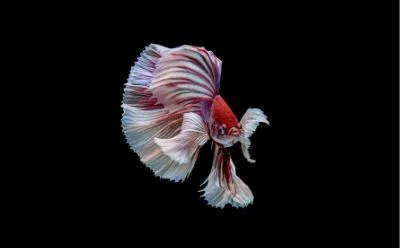
Betta fish, renowned for their vibrant colors and flowing fins, are often observed in aquariums across the globe. However, their wild counterparts exhibit a different, more enigmatic nature that is less widely understood. Delving into the world of Betta fish wild in their natural habitats provides a captivating glimpse into their origins, adaptations, and behaviors. Betta fish wild populations are native to the slow-moving waters of Southeast Asia and offer a stark contrast to the selectively bred specimens found in captivity.
Origins and Distribution
Wild Betta fish, specifically the Betta splendens species, inhabit shallow water bodies such as swamps, rice paddies, and slow-moving streams. These environments shape their behavioral and physical characteristics, leading to a species that is markedly different in appearance from their domesticated siblings. Unlike the vibrant hues found in pet stores, wild Bettas are often more subdued in color, helping them blend in with the muddy, plant-rich environments of their natural homes.
Adaptations for Survival
In the wild, Betta fish have developed several fascinating adaptations to thrive in often challenging conditions. One of the most notable features is their labyrinth organ, which allows them to breathe atmospheric air. This adaptation is crucial, as the oxygen levels in their natural habitats can be quite low. The ability to gulp air directly from the surface enables wild Bettas to survive in stagnant waters where other fish might perish.
In addition to their unique respiratory system, wild Betta species exhibit species-dependent territorial behavior, especially among males during breeding. This behavior is a natural evolutionary response to their environments, where resources can be scarce. The male Bettas are particularly aggressive, defending their territories against intruders to ensure access to mating partners and food. This aggressive nature is mirrored in their domesticated counterparts, albeit often intensified through selective breeding.
Reproductive Behaviors
The reproduction of Betta fish in the wild is a fascinating aspect of their biology. During spawning, the male Betta builds a bubble nest at the surface of the water, which serves as a protective environment for fertilized eggs. The courtship ritual is intricate; the male displays vibrant colors and engages in a dance to entice the female. Once she lays her eggs, the male collects and places them in the bubble nest, guarding them diligently until they hatch. This parental investment is vital for the survival of the fry in the unpredictable wild settings.
Diet and Feeding Habits
Wild Bettas are primarily carnivorous, employing an opportunistic feeding strategy. Their diet mainly consists of insects, larvae, and small crustaceans. The nutritional demands of wild Betta fish are met by their diverse diets, contributing to their overall health and vitality. This dietary preference is important for enthusiasts to consider when caring for Betta fish, as a protein-rich diet in captivity can aid in replicating their natural dietary intake.
Challenges in Their Natural Habitat
Wild Betta fish face numerous challenges in their natural environments, impacting their population dynamics and distribution. Habitat destruction due to agricultural expansion and urbanization presents a significant threat, often resulting in the loss of suitable breeding and feeding grounds. Additionally, pollution and changes in water quality further exacerbate the difficulties faced by these resilient creatures.
Conservation efforts are pivotal in preserving the natural habitats of Betta fish. Protecting the wetlands and water bodies where they naturally thrive is crucial in ensuring that these fish continue to prosper in the wild. Moreover, promoting sustainable practices and raising awareness about the importance of these ecosystems can contribute to their long-term preservation.
Observing Wild Betta Fish Behavior
For those intrigued by the behavioral patterns of wild Betta fish, understanding their natural interactions is essential. In the wild, Bettas display complex social behaviors that are influenced by environmental factors such as water conditions and the availability of food. Observations of their territorial disputes, mating rituals, and feeding strategies provide valuable insights into their intricate lives.
Differences in Appearance
Betta fish in the wild differ in appearance from the selectively bred varieties commonly seen in the aquarium trade. Wild Bettas exhibit shorter fins and less extravagant tails compared to their captive counterparts, as these characteristics are less practical in their natural environments. The muted coloration of wild Bettas serves as camouflage, allowing them to avoid predators and enhance their survival probability.
Importance of Sustainable Practices
Given the delicate balance of their ecosystems, practicing sustainability is crucial in protecting Betta fish and their habitats. Responsible sourcing of Betta fish for the aquarium trade, alongside habitat conservation efforts, can aid in the preservation of these remarkable species. By fostering an understanding of the ecological importance of wild Betta populations, stakeholders can implement strategies that support both biodiversity and human interests.
Conclusion
While the allure of Betta fish is often found in their ornate beauty within aquariums, their wild relatives weave a narrative rich with adaptation and survival intricacies. By exploring the fascinating elements of Betta fish in their natural habitats, there is much to learn about not only their biology but also the ecosystems they inhabit. Emphasising sustainable practices and conservation efforts is crucial in ensuring these remarkable creatures continue to thrive in the natural world. Whether one encounters them in their wild domains or appreciates their elegance in a personal aquarium, the complexity and resilience of Betta fish remain a source of wonder and inspiration.