The Essential Guide to Keeping Private Jets Safe, Reliable, and Ready to Fly
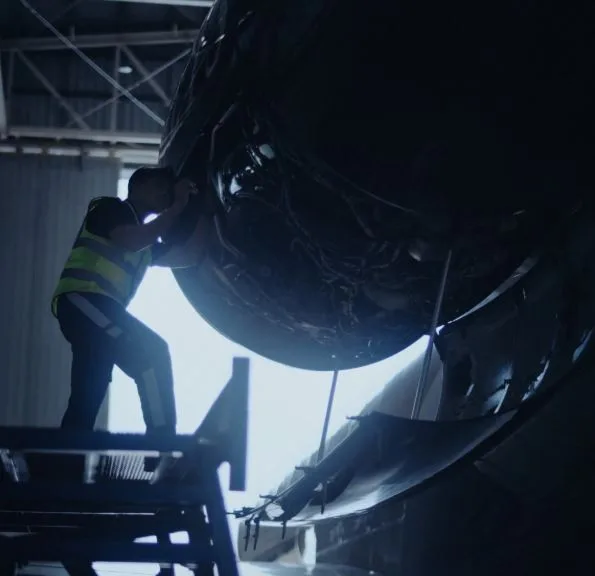
Private aviation offers speed, flexibility, comfort, and convenience that commercial air travel cannot always provide. However, owning or operating a private jet comes with significant responsibilities. One of the most important is ensuring that the aircraft remains safe, reliable, and compliant with aviation regulations. Regular inspections and professional maintenance are essential for protecting passengers, crew members, and the aircraft itself.
Jet maintenance involves much more than simply repairing a problem when it appears. It is a continuous process that includes inspections, servicing, component replacement, system testing, record keeping, and preventive work. A well-planned maintenance program can reduce unexpected downtime while helping an aircraft perform safely and efficiently.
Why Regular Aircraft Maintenance Matters
Aircraft operate under demanding conditions. Engines, landing gear, hydraulic systems, electrical components, flight controls, and other systems must function correctly every time an aircraft takes off. Even a relatively small mechanical issue can become a serious safety concern if it is ignored.
Regular maintenance allows technicians to identify potential problems before they develop into expensive or dangerous failures. Scheduled inspections can reveal worn components, fluid leaks, corrosion, electrical faults, or other issues that may not be visible during normal operation.
Preventive maintenance also helps aircraft owners avoid unexpected disruptions. A private jet that is unavailable because of an unforeseen mechanical problem can affect business schedules, family travel plans, and other important commitments.
Understanding Scheduled Maintenance
Aircraft maintenance is generally organized around specific schedules based on flight hours, flight cycles, calendar periods, and manufacturer recommendations. Different components may require inspection or replacement at different intervals.
Some inspections can be relatively simple, while others require extensive testing and partial disassembly of aircraft systems. Maintenance professionals follow detailed procedures provided by aircraft manufacturers and aviation authorities.
Keeping up with scheduled inspections is important because maintenance requirements are designed around the expected operating conditions and lifespan of aircraft components. Delaying required work can create compliance issues and potentially compromise safety.
Engine Care and Performance
The engines are among the most important and complex components of any jet. They operate at extremely high temperatures and pressures, making regular inspection and monitoring essential.
Technicians may examine engine performance data, inspect components, check oil systems, and look for signs of unusual wear. Modern aircraft can also provide extensive diagnostic information that helps maintenance teams identify changes in engine performance.
Early detection of unusual vibration, temperature changes, fuel consumption, or other abnormalities can help technicians investigate a problem before it becomes more serious.
The Importance of Professional Inspections
Aircraft maintenance should always be handled by appropriately qualified and authorized aviation professionals. Unlike ordinary vehicles, aircraft systems require specialized knowledge, equipment, documentation, and procedures.
Professional technicians understand the manufacturer’s maintenance requirements and applicable aviation regulations. They also have access to specialized tools and diagnostic equipment needed to inspect complex aircraft systems accurately.
Using qualified professionals is not simply about meeting regulatory requirements. It is also an important part of maintaining confidence in the aircraft’s overall condition.
Maintaining Aircraft Interiors
Although mechanical systems receive much of the attention, the aircraft interior also requires regular care. Seats, cabin equipment, lighting, entertainment systems, galley equipment, lavatories, and other components need inspection and servicing.
A clean and well-maintained cabin improves passenger comfort while also helping identify potential problems. For example, damaged seat components, faulty lighting, loose fittings, or problems with cabin equipment should be addressed before they become larger concerns.
Interior maintenance can also protect the value of an aircraft. A well-presented cabin can make a significant difference when an owner eventually decides to sell or upgrade the aircraft.
Keeping Accurate Maintenance Records
Detailed maintenance records are an essential part of aircraft ownership. Every inspection, repair, component replacement, and significant maintenance activity should be properly documented.
Accurate records help maintenance teams understand the aircraft’s history and determine what work may be required in the future. They can also demonstrate compliance with applicable regulations.
Good documentation can become especially valuable when an aircraft is sold. Prospective buyers and aviation professionals often examine maintenance records when evaluating an aircraft’s condition and history.
Reducing Unexpected Downtime
One of the major benefits of preventive maintenance is improved aircraft availability. Unexpected repairs can keep a jet grounded for days or even longer, depending on the nature of the problem and the availability of replacement parts.
A proactive maintenance strategy helps owners plan inspections and repairs around their travel schedules whenever possible. Maintenance providers can also monitor recurring issues and identify components that may need attention before they cause operational problems.
This approach can ultimately save both time and money while providing greater peace of mind.
Choosing the Right Maintenance Provider
Selecting a reliable maintenance provider is an important decision for any aircraft owner. Owners should consider the provider’s certifications, experience, technical capabilities, reputation, and familiarity with the specific aircraft model.
It is also useful to choose a provider with strong communication and documentation practices. Owners should be able to understand what work has been completed, what issues were discovered, and what maintenance may be required in the future.
Conclusion
A private jet is a sophisticated machine that requires continuous attention to remain safe, efficient, and dependable. From engine inspections and scheduled servicing to interior care and accurate record keeping, every aspect of maintenance contributes to reliable aircraft operation.
A proactive approach to jet maintenance can help prevent unexpected problems, extend the useful life of aircraft components, maintain regulatory compliance, and protect the long-term value of the aircraft. For private jet owners and operators, investing in professional maintenance is ultimately an investment in safety, reliability, and peace of mind.