The Essential Guide to Portrait Photography in Australia
Key Takeaways
- Aussie portrait photography is all about bringing real spirit and feeling to the studio, making pictures that feel both intimate and ageless.
- Little hints such as facial expression, body language and genuine props can turn a bland portrait into one that tells the viewer a story.
- There’s a melting pot of approaches to Australian portraiture, from traditional studio matters to contemporary conceptualism that speaks to the country’s multicultural narrative.
- The setting and context of a studio are imperative in establishing the mood and story of every portrait, enabling the subject’s character to shine.
- Good communication and rapport with your subject are key to chilled, natural portraits, so a warm and welcoming studio environment really counts.
- Ethics and respect for each person’s story are at the heart of every winning portrait, with each image being authentic and dignified.
Portrait photography captures the appearance, temperament, and relationship of individuals, often set in a studio. In Australia, studio portrait sessions provide a serene environment of soft light and styled backgrounds, so families, couples and professionals can unwind and be themselves.
Sessions concentrate on the little details, such as a fleeting glance, a shared chuckle, and the calm in grasping hands. These are memories that stick and are ideal for displaying in the home or handing down as part of the family story.
Of all the styles of portrait photography, studio portraiture is most remarkable for its timelessness and emotional depth. Here’s what to expect when they happen.
The Essence
Portraiture is more than the mere catalogue of a countenance or body. It’s about seeing who a person really is, not just their appearance. This art has evolved over time, but its core goal remains unchanged: to preserve the heart, spirit, and story of the subject in a single frame.
In the studio, it’s all small things – the angle of a sit, the light on a face, the flicker of a smile or a glint in an eye. A beautiful portrait reveals something of the subject’s life, ideals and even the age they inhabit, immortalising a moment.
Capturing Character
Real character lurks in the little details – a side-eye glance, an at-ease hand, a laugh half-caught. Concentrating on facial expressions and body language animates the portrait. The most successful portraits are often those in which the sitters are relaxed and show a true part of themselves.
Different angles can bring out different features or quirks that make someone unique. Studio props and settings that suit the subject’s character add layers of authenticity. A child’s beloved toy, a parent’s treasured item, and a favourite book can elicit the stories that words sometimes miss.
Authentic conversation throughout the session allows people to feel at ease, meaning their responses and expressions are genuine rather than coached.
Beyond a Likeness
A good portrait does more than show what someone appears to be. It seeks to harness their spirit, the spark that makes them them. Incorporating things or environments that represent the recipient’s interests, profession, or aspirations can build a more personal connection.
A musician’s hands on their instrument or a parent close to their child can say more than a posed shot ever could. Lighting and composition threads the mood of a portrait. Gentle studio light can emphasise warmth, while shadows can add depth and interest.
Now and then, stepping away from conventional studio practice, such as dabbling in weird poses or inventive setups, uncovers something in the subject’s character that comes across as refreshingly real.
A Lasting Story
Portraits have always been a doorway to a personal journey. They can mark milestones: a newborn’s first days, a family’s reunion, or a couple’s quiet connection. Visual storytelling, such as through symbolic props or significant landscapes, demonstrates not only who the subject is but where they’ve come from and what they value most.
A studio background, simple or styled, provides a supporting cast for the narrative rather than a distraction from it. Subjects who tell their own stories can generate more potent images, inviting viewers to look through the window rather than at the glass.
Australian Portrait Styles
Who are we? Studio portraiture has become inclusive of both tradition and reinterpretations, influenced by Australia’s range of communities, histories and individual characters. Light, narrative and traditional studio backdrops all influence ways of creating that seem intrinsically Australian.
From classic family portraits in Melbourne to conceptual work in Sydney, each style speaks to a different aspect of Australian life and intimacy.
- Classic
- Key features: Formal poses, elegant lighting, traditional attire
- Contemporary trends: Enduring popularity, focus on legacy
- Environmental
- Key features: Contextual backgrounds, storytelling, natural expression
- Contemporary trends: Group portraits, community representation
- Candid
- Key features: Unposed moments, documentary feel, real emotion
- Contemporary trends: Emphasis on authenticity, self-portraits
- Headshot
- Key features: Simple backgrounds, sharp focus, professional look
- Contemporary trends: Personal branding, subtle personality cues
- Conceptual
- Key features: Creative props, symbolic elements, artistic vision
- Contemporary trends: Abstract themes, experimental post-processing
1. The Classic
Classic portraiture exalted grace and composure. Subjects frequently pose against timeless backdrops, clad in formal wear or discreet tokens of Australian life, such as a well-tailored suit or family heirlooms.
Lighting is gentle yet assertive, calculated to allure and last. This is a popular style with families wanting to capture milestones, portraits that will look as relevant in decades’ time as they do today.
The National Portrait Gallery has shown paintings in this manner for years, with examples exciting in how these artists constellate around dignity and legacy.
2. The Environmental
Studio-based environmental portraits in Australia add context to the frame. Use of painted or built backgrounds, often inspired by bushland or cityscapes, conveys the subject’s narrative.
It is a favourite in group portraits, in which the family or community identity is as critical as the individual. It is a way of demonstrating roots, connection, and common heritage, even behind the studio’s closed doors.
3. The Candid
Studio candid portraits relax everyone, capturing spontaneous expressions or sidelong looks between parents and children. Some artists employ cues or prompts, encouraging people to relax and interact naturally.
This technique has become increasingly popular for people wanting moment-in-time portraits. There are many selfies and portraits of pairs of people too, showing connection and real sentiment.
4. The Headshot
Aussie headshots aren’t merely corporate images; they’re personality portraits. Plain backgrounds and soft, even lighting maintain attention on the subject’s face.
A little warm or approachable hint is a familiar sight, especially among creatives and professionals. Authenticity is the trend – clients want images that look real but polished.
5. The Conceptual
Conceptual portraits in Australian studios pile on the imagination. Props, costumes and striking backgrounds assist in narrating abstract tales or exploring identity.
Artists and sitters collaborate to construct a vision that is occasionally whimsical and sometimes contemplative. Test out your own style and post-processing so every portrait is original.
Your Photographer’s Kit
A good studio is not just lights and camera. It’s a space where memories will be created and stories come alive. All has its place in the kit, from the lens defining a look to the backdrop which holds a grin. Here’s a checklist with descriptions to lay out what is involved in creating portrait images that feel timeless.
The Camera
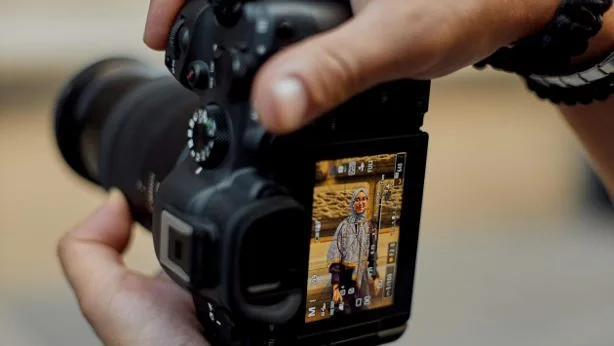
The base of any portrait session is the camera. A high-res model can capture the textures in a newborn’s small fingers or the creases on a grandparent’s smile. DSLR and mirrorless cameras are both widely used in studios, with both having certain advantages.
Mirrorless cameras are generally quieter and lighter, making them pleasant for lengthy sessions. DSLRs are famed for their reliability and battery life. Sensor size counts for something, too. Full-frame sensors gather more detail and depth, making them perfect for portraits where every nuance matters.
Cropped sensors have their own appeal, quite often bringing subjects closer and adding intimacy. Regular maintenance, such as cleaning the sensor and checking battery health, keeps the camera going nicely, even during monstrous shooting days with thousands of images snapped.
The Lens
Lenses define the look and mood of every portrait. Focal lengths around 70 to 200 millimetres are frequently favoured for their flattering face profile. Prime lenses, like an 85 millimetre, are preferred for their sharpness and the way they blur backgrounds, bringing all attention to the subject.
Adjusting the lens aperture manages background blur and makes the subject pop out from the scene. Pro portrait lenses provide pin-sharp focus with the creamiest backgrounds, every shot feeling so finished. Trialling varying lenses will help you find a lens that works best for your family.
The Light
Studio light makes atmosphere and invokes feeling. Softboxes provide a softer glow, even shadows and a natural appearance to skin. Harder light sources add drama, and reflectors bounce light back and fill in shadows.
Diffusers take the edge off harsh light, which is ideal for fragile newborn skin or gentle family moments. A light meter aids in achieving an exposure as close to perfect as possible. ISO 400 to 1600 works wonderfully too, a perfect compromise between brightness and detail.
Tripods are not the most robust but hold the camera steady for group photos. Remote controls and timer modes of 2 to 10 seconds make it simpler to get everyone in the frame.
Mastering the Craft
Studio portrait photography is an evolving craft forged through patience, repetition, and a willingness to experiment. Over decades, even the most loved images can evolve as a style and vision develop. Mastery takes time. Some people spend years cultivating a romance with the art, re-examining their method and ruminating on every new photograph.
The mind is as crucial as technique. So much of what makes portraiture powerful is about catching certain subtleties, decisions in the moment, and the one-of-a-kind narrative of every family or person who comes through the door.
Composition
Composition is at the core of any memorable studio portrait. Utilizing rules such as the rule of thirds keeps your portraits balanced and appealing. Putting your subject off-centre can give the story room to breathe, while leading lines, such as a chair’s back or a child’s gaze, can draw the viewer’s eye to the heart of the picture.
Negative space is a big part, allowing the subject to pop and for nuanced emotions to shine through. Framing within the studio – the crescent of a mother’s arm or a foamy throw – breathes life. Each decision about where to put people or props in the frame moulds the portrait’s spirit and meaning.
Over time, playing with these things produces new means of expressing closeness and intimacy.
Settings
Studio portrait sessions depend on knowing how camera settings react to changing light and mood. Tweaking ISO, shutter speed and aperture on the fly for sharp, well-exposed shots gives you a real advantage for the times when the light changes or tensions run high.
Getting to know manual mode and the camera turns into your best buddy, a ghost. As you get to know it session to session, it becomes second nature to adjust its settings without interrupting a family’s laughter or a newborn’s tinkle.
Experimenting with tonal settings and looking at the results sharpens instinct and boosts confidence.
Post-Processing
Editing is the sacred moment when portraits are born. Tweaking colour balance and contrast makes skin tones warm and studio backgrounds pop. A light touch with retouching retains the naturalness of portraits and reveals every smile line and dimple.
Gradually, you find an editing style that becomes a signature, revealing your preferences and the narratives unfolding in the studio. Reviewing prior cuts, honing decisions and remaining receptive to emerging methods make the work lively and true.
The Human Connection
Studio portrait photography is about more than pictures; it’s about celebrating the narrative, aspirations, and natural beauty that every individual possesses. When the camera clicks, the process can punch through walls that frequently separate us. You see the transformation: a nervous glance becomes a confident smile, a shy posture softens as trust builds.
Empathy is central to this, creating a sense that individuals are known and heard. What you end up with is not just a portrait but a moment of connection—a moment where self-acceptance, pride and the human experience all come together. Every session is collaborative and that’s where the magic happens. Just being photographed can change someone’s perception of themselves; it can make them feel proud, valued, and connected.
- Ask open-ended questions to get subjects talking about themselves.
- Provide soft, constructive guidance in simple words and an easygoing tone.
- Provide reassurance and encouragement; use positive feedback often.
- Read body language and facial expressions for signs of comfort or discomfort.
- Be mindful of boundaries and adjust accordingly for each subject.
- Give subjects time to warm up before taking official portraits.
- Suggest easy movements to maintain energy organically, like weight shift or hand position.
- Invite them to reveal themselves, to make you laugh or think.
- Maintain a steady, calm stream of communication to instil confidence and relieve tension.
Building Rapport
Trust is everything for a chilled-out studio session. A real smile, a shared anecdote or a throwaway line all make people feel at home.
Some small talk about common interests, local footy or favourite places in Melbourne or Sydney can quickly break the ice. When one feels safe, people’s true self emerges. Look out for body language signals, for example, a clenched jaw or crossed arms, and take a break if appropriate.
Laughter and ‘come on’ encouragement transform nerves to confidence and a good time is had by all.
Directing Subjects
Guidance is more than just where to stand. It’s about giving clear, calm guidance and demonstrating what you mean if words fail. It’s when you embrace natural movement, leaning in or exchanging a glance with your partner, that the results feel authentic.
Prompt or scenario-based such as “imagine a time when you were happy.” Others spill with less. Changing the way you engage with each person can transform everything.
Ethical Practice
It starts with consent, always. For any portrait, before you take it, they need to be transparent about what that session is about and how the content is going to be shared.
Subjects should feel in control, never pressured. We are writing people as they are. With dignity and respect. Studio portraiture in Australia is typically subject to ethical protocols, fostering an environment where everyone’s narrative can be represented as they choose.
A Photographer’s Career
Portrait photography in Australia relies on both the art of the narrative and the craft of the careful. Getting on in such a career means a combination of imagination, know-how and empathy. Inside the studio, photographers (they’ll be often called, naturally enough, “photographers”) form memories for families, couples, office workers and toddlers, encapsulating each narrative into a way that is personal and eternal.
Although the road is bumpy, the returns – witnessing families bond or an individual’s self-assurance flower – more than transcend the frame.
Portrait photography covers many studio-based niches:
- Family portraits
- Newborn and maternity sessions
- Engagement and couple portraits
- Professional headshots
- Fine art portraiture
Staying in the game means being aware of what’s current in the industry, from editing techniques to the latest studio lighting trends. Photographers network with other photographers and clients, establishing a reputation through repeat bookings and word-of-mouth. Writing out clear career targets and a vision keeps the path guided, whether you’re beginning or refining.
Finding Your Niche
Finding a niche is about more than just choosing a subject. Many photographers start by experimenting with styles, such as posed family shots, candid newborn images, or dramatic solo portraits, then paying attention to which shoots are the most fulfilling.
- List your strengths and interests in portrait photography.
- Research local demand for different portrait styles.
- Compare your work to what’s trending in Australian studios.
- Reflect on feedback from clients or mentors.
Viewing what clients want in Melbourne, Brisbane or Sydney will influence where you concentrate. It can over time lead to a distinctive style that you can develop and use to build a brand that embodies your values and your approach.
Building a Portfolio
A strong portfolio is a living exhibition. Families chuckle, children have pensive pauses, and couples catch a smouldering gaze. For most of us, it’s the first insight into what makes your work unique. A variety of ages, cultures and moods indicates versatility and care.
Portfolios grow with experience. Adding pieces from new shoots keeps them current and indicates progression. Like other photographers, we share our best images online so that prospective clients know what they can expect. This peek into your work fosters trust and begins the connection well before the studio lights switch on.
The Business Side
The business of a photographer’s career is as much about people as pictures. Forging good client relationships is more than a one-time shoot. It’s about listening, remembering little things, and putting everyone at ease in a photo.
- Pricing Models
- Set clear, transparent prices that reflect studio time and expertise.
- Contracts
- Use written agreements covering session details and expectations.
- Marketing
- Share work on social media, use referrals, and build local presence.
Managing studio finances with consideration, from monitoring expenses to putting money aside for tax, is crucial for sustainability.
Conclusion
Studio portraits draw them near. Each session is a real conversation, not just a snap. In the studio, light gently strikes faces. Family groups josh between shots. Kids sometimes make silly faces or laugh. Couples share a glance that speaks volumes. You can see these moments in every picture. Aussie studios take it easy, much like a Sunday arvo at home. Photos from these shoots are likely to adorn walls rather than be buried. They hold family stories for decades. Eager to cling on to those memories? Book a session and see what a simple portrait reveals. The best part? Every grin and every chuckle is yours, nobody else’s.
Frequently Asked Questions
What is portrait photography?
Portrait photography exposes the character and mood of an individual or multiple subjects, more often than not in a studio environment. It is all about the subject’s face and her mood.
How does Australian portrait photography stand out?
Australian portrait photography tends to favour a chilled, even slightly awkward, informal approach. It celebrates place, multiculturalism and Australian character.
What is the best setting for studio portraits?
A controlled studio environment suits portraits best. It allows you to create uniform lighting and backgrounds, keeping the viewer’s attention on the subject.
Why choose a studio for portraits?
Studios provide set lighting and infinite backdrops. This produces flattering, timeless portraits without distractions.
What should I wear to a studio portrait session?
Plain, neutral-coloured clothing works best. Steer clear of loud prints and logos to keep the focus on the face.
How do you capture genuine expressions in studio portraits?
A little relaxed chat and a laid-back vibe can really coax that authentic self out. This results in real natural expressions in portraits.
Can studio portraits include family members?
Yes, studio sessions can capture individuals as well as families or groups. Having a controlled environment helps most people shine.