The Exposure of Motorcyclists on the Road and Its Impact
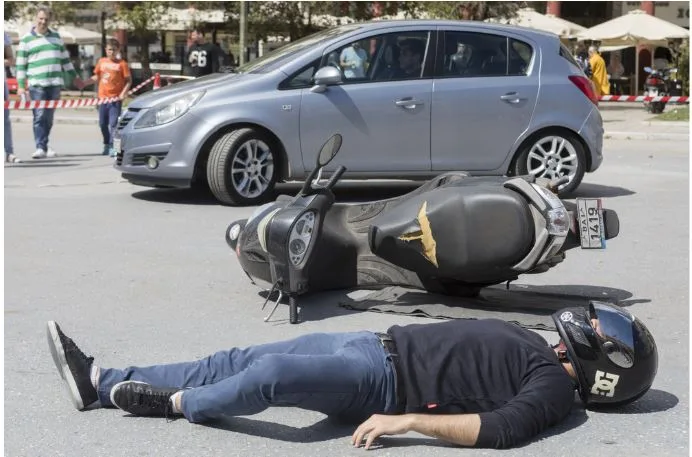
Motorcycles move differently through traffic. They are smaller, more responsive, and far more exposed than other vehicles on the road. This exposure is not just a physical condition; it shapes how riders experience every moment of travel. Unlike enclosed vehicles, there is little separation between the rider and the environment around them.
At first glance, this may seem like part of the appeal of riding. However, as situations on the road begin to unfold, this same exposure can influence how incidents develop and how they are experienced. When people begin trying to understand these situations more closely, they often come across broader perspectives, including insights related to legal help for motorcycle accidents, especially when reflecting on how exposure plays a role in what happens next.
The Physical Nature of Exposure
Motorcyclists do not have the structural protection that cars or trucks provide. There are no external frames, airbags, or enclosed cabins separating the rider from surrounding conditions.
This means:
- Direct interaction with the road and environment
- Greater sensitivity to movement and impact
- Increased reliance on balance and control
Because of this, even small changes on the road can have a more noticeable effect.
The Relationship With Surrounding Traffic
Motorcycles share the road with much larger vehicles. This creates a dynamic where visibility and awareness play a central role.
In many situations:
- Motorcycles may be less visible in traffic
- Other drivers may not anticipate their movement
- The space between vehicles becomes more critical
This interaction between size, visibility, and movement can influence how situations develop in real time.
How Road Conditions Are Experienced Differently
Road conditions affect all vehicles, but the impact is often more immediate for motorcyclists. Surfaces, textures, and small irregularities can influence stability and control.
Examples include:
- Uneven pavement or loose materials
- Changes in the road surface during travel
- Weather-related conditions affecting grip
What may feel minor in a larger vehicle can require a different level of attention for someone on a motorcycle.
The Role of Awareness and Attention
Riding a motorcycle requires continuous awareness. Attention is not only focused ahead but also on surrounding traffic, road conditions, and positioning.
This involves:
- Monitoring movement from other vehicles
- Adjusting positioning based on traffic flow
- Responding to changes quickly and precisely
Because of this, even brief shifts in attention, whether from the rider or surrounding drivers, can influence how events unfold.
The Impact of Small Moments
Many motorcycle-related incidents are shaped by small moments rather than major events. A slight delay in reaction, a minor change in positioning, or a brief lapse in visibility can have a greater impact due to the exposed nature of riding.
These moments may include:
- A vehicle changing lanes without full awareness
- A quick adjustment in speed or direction
- A moment where space becomes limited
Individually, these may seem minor. However, combined with exposure, they can lead to more significant outcomes.
How Exposure Shapes the Overall Experience
Exposure is not limited to physical risk. It also influences how riders perceive and respond to the road. Decisions, reactions, and awareness are all shaped by the understanding that there is less margin for error.
Over time, this creates a riding experience where:
- Conditions are constantly evaluated
- Movements are more deliberate
- Awareness remains a central part of every action
As this broader understanding develops, individuals often begin to explore how these elements are viewed more closely, sometimes coming across perspectives connected to legal help for motorcycle accidents, particularly when trying to understand how exposure contributes to the overall situation.
Why These Situations Are Not Always Simple
Motorcycle accidents are often viewed as single events, but they are usually influenced by multiple factors. Exposure, road conditions, traffic interaction, and timing all come together to shape the outcome.
This complexity can make it more challenging to:
- Identify all contributing elements
- Understand how different factors interact
- See how the situation developed over time
Recognizing this layered nature provides a more complete view of what happens on the road.
Conclusion: Understanding the Road From an Open Perspective
Riding a motorcycle brings a level of connection to the road that is different from any other form of travel. That connection comes with both freedom and responsibility. Exposure is part of the experience, shaping how riders move, react, and engage with their surroundings.
Looking beyond the surface reveals that motorcycle-related accidents are not defined by a single moment. They are shaped by the interaction between the rider, the road, and everything happening around them. By understanding this exposure, a clearer perspective begins to form, one that reflects the realities of riding and the impact it can have when conditions change.