The Features Hospitals Should Prioritize in Modern Child Security Programs
When does patient safety start?
In the case of newborns, it begins at birth. While health facilities make major investments toward caring for patients, the protection of infants ranks as a similarly high priority, allowing new mothers and fathers to feel comfortable throughout the hospital process. With the advances of consumer technologies in the health field, it has become easier and easier for hospitals to implement infant protection equipment as a part of the entire Infant Protection System to keep them as safe as possible.
Child protection services are used to ensure that children are not taken outside of their designated areas, as well as to assist operations in the event of an emergency. Many health facilities are placing an even stronger emphasis on safety, thanks in part to numerous new regulations on the books. For this reason, it is essential that hospitals take the time to fully assess the best options in digital monitoring systems.
Live Monitoring and Immediate Notice
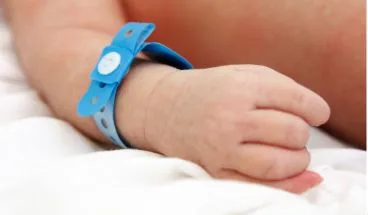
The main function of a child protection alert is, of course, real-time monitoring. As systems become more advanced, they now use bands on the children throughout various sections of the maternity ward, with sensors implanted in various strategic locales. In the case that the child should be taken from the permitted section, the technology will immediately notify staff.
This expediency allows the healthcare team to respond in a matter of minutes and ideally prevent the emergency from happening or escalating.
Integration into Hospital Operations
The protection function should also serve to simplify matters and not make things more complicated than they already are. This is why the protection alerts easily integrate controls for access to the child’s medication records and the inpatient parts of the hospital.
It helps to manage workflow while also ensuring that staff are providing the best care without having to give explicit thought to distracting worries. Instead, the device will do the thinking for them.
The Trust Factor: Reliability and Ease of Use
Of course, protecting one’s child can really only be accomplished by using the program as an authority. If the healthcare workers or guests do not have confidence in the device, they are likely to forgo its use.
In addition, a reliable protection system is also one with the fewest false alarms. By inspiring confidence and trust, it can become that much easier for staff and management to foster a culture of trust among the given roles. In this case, hospital personnel can be sure to act with the fullest integrity in the protection of a child.