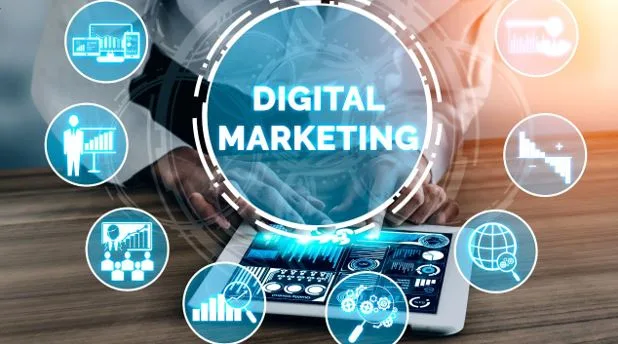
The Future of Digital Marketing in 2026: Strategies That Actually Work
In today’s fast-changing online world, digital marketing is no longer just about running ads or posting on social media. It has evolved into a complex ecosystem driven by data, automation, and user behavior. Platforms like digitaltribunes are helping businesses stay updated with the latest trends, tools, and strategies that truly deliver results.
As competition increases across every industry, brands that fail to adapt risk falling behind. So, what does digital marketing really look like in 2026—and how can businesses stay ahead?
The Evolution of Digital Marketing
Digital marketing has undergone a massive transformation over the past decade. What started as simple SEO and email campaigns has now become a multi-channel strategy involving:
- Artificial Intelligence (AI)
- Voice search optimization
- Video-first content
- Data-driven personalization
Platforms like digitaltribunes focus on breaking down these complex trends into actionable insights, helping marketers make smarter decisions.
AI is Redefining Marketing Strategies
Artificial Intelligence is no longer optional—it’s essential.
From chatbots to predictive analytics, AI helps businesses:
- Understand customer behavior
- Automate campaigns
- Improve targeting accuracy
- Increase ROI
AI-powered tools can analyze millions of data points in seconds, allowing marketers to deliver hyper-personalized content. This is why many experts consider AI the backbone of modern marketing.
SEO in 2026: Beyond Keywords
Search Engine Optimization has evolved far beyond keyword stuffing. Today, search engines prioritize:
- User intent
- Content quality
- Experience (UX)
- Authority and trust
Websites like digitaltribunes emphasize creating valuable, informative content that answers real user queries rather than just targeting keywords.
Key SEO Trends:
- Topic clusters instead of single keywords
- Voice search optimization
- Featured snippets targeting
- EEAT (Experience, Expertise, Authority, Trust)
In simple terms: Google ranks value, not just content.
Social Media: From Engagement to Conversion
Social media is no longer just for brand awareness—it’s a direct sales channel.
In 2026, platforms like Instagram, YouTube, and LinkedIn are focusing on:
- Short-form video content
- Creator collaborations
- In-app shopping
- Community-driven engagement
Brands that focus only on posting content without building relationships are losing out. The real game is engagement + trust.
Content Marketing Still Rules
Despite all technological advancements, content remains king.
However, the definition of “good content” has changed:
What Works Today:
- Problem-solving blogs
- Data-backed insights
- Storytelling content
- Visual + interactive formats
digitaltribunes plays a key role in educating businesses about content strategies that actually convert, not just attract traffic.
Data-Driven Marketing: The Real Game Changer
Data is the new currency of digital marketing.
Successful businesses rely on analytics to:
- Track user behavior
- Optimize campaigns
- Improve conversion rates
Without data, marketing becomes guesswork. With data, it becomes a science.
The Rise of Multi-Channel Marketing
Customers today interact with brands across multiple platforms:
- Social media
- Websites
A successful strategy ensures a seamless experience across all channels.
Example: A user sees your Instagram reel → visits your website → subscribes to email → makes a purchase.
This is called a multi-touchpoint journey.
Why Businesses Need Platforms Like digitaltribunes
In a world flooded with information, finding reliable and actionable insights is challenging.
That’s where digitaltribunes stands out.
It provides:
- Latest digital marketing trends
- SEO strategies
- AI tools insights
- Business growth tips
The platform acts as a knowledge hub for marketers, entrepreneurs, and businesses looking to grow in the digital space.
Future Trends to Watch
Here are some trends that will dominate digital marketing in the coming years:
1. Voice & Visual Search
Users are shifting from typing to speaking and searching via images.
2. AI-Generated Content (with Human Editing)
Automation will increase, but human creativity will remain essential.
3. Personal Branding
Individuals will become stronger brands than companies.
4. Privacy-First Marketing
With stricter data laws, ethical marketing will become crucial.
Conclusion
Digital marketing in 2026 is smarter, faster, and more competitive than ever before. Businesses that rely on outdated strategies will struggle, while those who adapt and innovate will thrive.
Platforms like digitaltribunes are helping bridge the gap between complexity and clarity, offering insights that empower businesses to grow, scale, and succeed.
The future belongs to those who learn fast, adapt quickly, and execute consistently.